Whole wheat sandwich bread for Everyday Meals
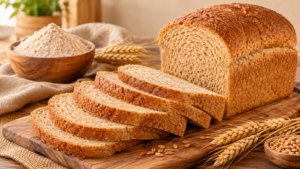
Whole wheat sandwich bread is a type of sliced bread made mainly from flour that contains the entire wheat grain. Unlike refined white flour, which has much of the bran and germ removed during processing, whole wheat flour retains these natural components. This gives the bread its characteristic light brown color, slightly nutty flavor, and more substantial texture. It is commonly sold in pre-sliced loaves, making it convenient for sandwiches, toast, breakfast meals, and snacks. Depending on the recipe, it may also contain yeast, water, salt, a small amount of sugar, and vegetable oil. Some varieties are soft and fluffy, while others have a denser texture and a more noticeable whole-grain taste.
How Is Whole Wheat Sandwich Bread Made?
The preparation of this bread begins with mixing whole wheat flour with water, yeast, salt, and other selected ingredients. The mixture is kneaded until it develops a suitable dough structure, allowing the gluten proteins in wheat to create elasticity. After kneading, the dough is left to rise so the yeast can produce carbon dioxide, creating small air pockets. Once it has risen, the dough is shaped and placed into a loaf pan before undergoing another period of proofing. It is then baked until the crust develops and the inside becomes fully cooked. After cooling, the loaf is sliced into even pieces suitable for everyday sandwiches and toast. Commercial bakeries may use additional ingredients to maintain softness, improve consistency, and extend freshness.
Nutritional Value of Whole Wheat Sandwich Bread
The nutritional value of a loaf depends on its ingredients, slice size, and manufacturing process. However, whole wheat varieties generally provide a combination of carbohydrates, dietary fiber, plant-based protein, and several essential minerals. They can also contain B vitamins, including thiamin and niacin, which support normal energy metabolism. Whole wheat bread supplies carbohydrates that the body uses as an important energy source, while its fiber content contributes to digestive health. Some packaged varieties contain added sugar, salt, or oils, so checking the nutrition label is important. Two breads that look almost identical on the supermarket shelf may have noticeably different nutritional profiles.
Calories and Macronutrients
A typical slice of whole wheat sandwich bread contains approximately 70–110 calories, although the exact amount varies by brand and thickness. Most of its calories come from carbohydrates, with smaller amounts coming from protein and fat. A regular slice may provide around 3–5 grams of protein and 1–3 grams of dietary fiber. Larger slices or breads containing seeds may provide more calories, protein, and fat. These values are general estimates rather than fixed nutritional standards, so the packaging label is the best source for accurate information about a particular product.
Vitamins and Minerals
Whole wheat flour naturally contains several nutrients that are concentrated in the outer layers and germ of the grain. These include magnesium, iron, phosphorus, zinc, and B vitamins. Magnesium contributes to normal muscle and nerve function, while iron helps the body produce hemoglobin for oxygen transportation. Zinc supports normal immune function, and B vitamins help the body process energy from food. The amounts available in each serving depend on the flour, recipe, and whether the bread is fortified. Although this bread can contribute useful nutrients to a balanced diet, it should not be treated as a complete source of vitamins and minerals.
Health Benefits of Whole Wheat Sandwich Bread
Choosing whole-grain bread instead of refined white bread can be a simple way to increase fiber intake and improve the overall quality of everyday meals. Its nutritional benefits are connected mainly to the whole wheat flour used in its preparation. However, the benefits depend on portion size, the ingredients in the loaf, and what you eat alongside it. A sandwich filled with vegetables, eggs, beans, or lean protein can offer a more balanced meal than bread eaten with highly processed fillings.
Supports Digestive Health
One of the main nutritional advantages of whole wheat bread is its dietary fiber content. Fiber adds bulk to stool and supports regular bowel movements, helping maintain normal digestive function. It also contributes to a healthier gut environment by providing nourishment for beneficial gut bacteria. People who currently eat very little fiber may benefit from gradually adding whole-grain foods to their meals. Drinking enough water is also important when increasing fiber intake. However, individuals with certain digestive conditions may need to adjust their fiber intake according to their personal tolerance and professional medical advice.
Helps You Feel Full for Longer
Whole wheat sandwich bread can be a satisfying addition to breakfast or lunch because its fiber content contributes to fullness. Meals containing fiber and protein often provide longer-lasting satisfaction than meals made mostly from refined carbohydrates. For example, a sandwich prepared with whole wheat bread, boiled eggs, cucumber, and a little avocado offers a combination of carbohydrates, protein, and healthy fats. This balance can help reduce the temptation to reach for another snack shortly after eating. Still, fullness depends on the entire meal, not just the type of bread.
Supports Heart Health
Whole grains are associated with better cardiovascular health when included as part of a balanced eating pattern. Whole wheat bread provides dietary fiber and naturally occurring plant compounds that can contribute to a heart-conscious diet. Replacing some refined grain products with whole-grain alternatives may help improve overall dietary quality. Choosing bread with moderate sodium and minimal added sugar can also be useful for people paying attention to heart health. It is important to remember that no individual bread product can prevent heart disease or replace other healthy habits such as regular physical activity and a balanced diet.
Provides Steady Energy
Carbohydrates are an important source of energy, and whole wheat bread can be part of a balanced meal that supports daily activities. Its fiber content may slow digestion compared with some refined grain products, although the actual blood glucose response varies depending on the recipe and the rest of the meal. Pairing a slice with protein-rich foods such as eggs, yogurt, or nut butter can make breakfast more balanced. This combination is especially useful when you need a convenient meal before work, school, or other daily activities.
Whole Wheat Sandwich Bread vs. White Bread
The main difference between these two varieties is the type of flour used. Whole wheat bread is made using flour that retains the bran, germ, and endosperm, while traditional white bread is generally made from refined flour containing mainly the endosperm. This difference affects fiber content, flavor, color, and texture. White bread is usually softer and lighter, whereas whole wheat bread has a more noticeable grain flavor and a slightly heartier texture. Whole wheat varieties generally offer more naturally occurring fiber and certain minerals, making them a useful choice for people looking to increase whole-grain intake.
| Feature | Whole Wheat Bread | White Bread |
|---|---|---|
| Main flour | Whole wheat flour | Refined wheat flour |
| Fiber | Generally higher | Generally lower |
| Texture | Slightly hearty | Soft and light |
| Flavor | Mildly nutty | Mild and neutral |
| Grain components | Bran, germ, and endosperm | Mainly endosperm |
| Color | Light to medium brown | White or cream |
Neither option needs to be completely excluded from a balanced diet. The better everyday choice depends on individual nutritional needs, preferences, and ingredient quality.
Ingredients Commonly Found in Whole Wheat Sandwich Bread
Although recipes differ between bakeries and manufacturers, most loaves contain a few basic ingredients. Understanding their purpose can make grocery shopping easier and help you recognize products with simpler ingredient lists.
Whole Wheat Flour
Whole wheat flour is the main ingredient responsible for the bread’s grain content, color, and characteristic flavor. It contains the bran, germ, and endosperm of the wheat kernel. Because these components remain together during milling, the flour naturally provides dietary fiber and several nutrients. When buying packaged bread, look for whole wheat flour or wholemeal flour near the beginning of the ingredient list.
Yeast
Yeast is used to help the dough rise. It consumes available sugars and produces carbon dioxide, which creates air pockets and gives the finished loaf its soft, airy structure. Baker’s yeast is commonly used in commercial and homemade sandwich bread.
Water
Water combines with flour to form the dough and helps activate the yeast. It also contributes to the texture and moisture of the finished loaf. The amount of water used can influence whether the bread becomes soft, firm, or dense.
Salt and Sweeteners
Salt improves flavor and helps control yeast activity during fermentation. Some recipes also include sugar, honey, or another sweetener to add a mild sweetness and support browning during baking. The quantity varies considerably between products, which is why checking the nutrition label is worthwhile.
Vegetable Oil or Other Fats
Some manufacturers add vegetable oil or other fats to improve softness and help maintain a pleasant texture. These ingredients can make slices easier to handle and less likely to crumble. The type and amount of fat vary by recipe, so people monitoring their intake should compare product labels.
How to Choose Good Quality Whole Wheat Sandwich Bread
Not every brown loaf sold in grocery stores is made entirely from whole wheat flour. Some products contain a mixture of whole wheat and refined flour, while others use coloring ingredients to create a darker appearance. Reading the ingredient list is one of the easiest ways to make a better choice. Look for products that list whole wheat flour as the primary ingredient, provide a reasonable amount of dietary fiber, and contain moderate amounts of added sugar and sodium. It is also worth checking the serving size because one manufacturer may count a thick slice differently from another. A simple ingredient list and clear nutritional information are good starting points when comparing different brands.
Check the First Ingredient
The first ingredient usually represents the largest proportion of the product by weight. If whole wheat flour appears first, it is generally a good indication that the bread is primarily made from whole grains. Be careful with labels that simply say wheat bread, multigrain, or brown bread because these terms do not necessarily mean the product is made entirely from whole wheat flour. A loaf can contain several types of grains without providing the same nutritional benefits as a genuinely whole-grain product.
Compare Fiber Content
Dietary fiber is one of the main reasons people choose whole wheat bread. Compare the fiber information on different packages and consider the amount per serving rather than relying on marketing descriptions. A product with a higher fiber content may be a more useful option for people trying to increase their daily intake. However, fiber is not the only factor worth considering. Ingredients, sodium, added sugars, and portion size also matter.
Pay Attention to Added Sugar and Sodium
Some sandwich breads contain added sugar to improve flavor, while salt is commonly included to enhance taste and control fermentation. These ingredients are not necessarily a problem in small amounts, but their quantities can differ between brands. If you eat bread regularly, comparing labels can help you avoid products with unnecessarily high levels of added sugar or sodium. This is particularly useful when building a balanced diet around everyday grocery products.
Popular Ways to Use Whole Wheat Sandwich Bread
One reason this bread remains a household favorite is its versatility. It works with sweet and savory ingredients, making it suitable for breakfast, lunch, and quick snacks. Its slightly nutty flavor also pairs well with many common sandwich fillings.
Breakfast Toast
Toasted whole wheat bread is an easy breakfast option when mornings are busy. You can spread peanut butter over a warm slice, add sliced banana, or top it with mashed avocado and a boiled egg. These combinations provide different nutrients and flavors without requiring complicated preparation. For a lighter breakfast, try serving toast with plain yogurt and fresh fruit.
Vegetable Sandwiches
A vegetable sandwich is a convenient way to include more fresh produce in your daily meals. Layer sliced cucumber, tomatoes, lettuce, carrots, and bell peppers between two slices. A little hummus or yogurt-based spread can add flavor while helping the filling hold together. The bread provides the grain component, while the vegetables contribute vitamins, minerals, and additional fiber.
Chicken and Egg Sandwiches
For a more filling lunch, whole wheat slices work particularly well with cooked chicken or eggs. Add lettuce, tomato, black pepper, and a small amount of mustard or mayonnaise for a simple homemade sandwich. These fillings provide protein, which makes the meal more satisfying. They are also easy to prepare in advance when you need something convenient for work or school.
Peanut Butter and Banana Sandwich
Peanut butter and banana make a popular combination because the creamy spread balances the natural sweetness of the fruit. Spread a moderate amount of peanut butter over one slice, arrange banana pieces on top, and cover with another slice if you prefer a traditional sandwich. It can be served fresh or lightly toasted. This combination provides carbohydrates, some protein, and fats, making it a convenient snack or breakfast choice.
Is Whole Wheat Sandwich Bread Good for Weight Management?
Whole wheat bread can fit into a weight-management eating plan because it provides carbohydrates and dietary fiber in a convenient portion. Fiber contributes to fullness, which may make it easier to manage hunger between meals. However, eating whole wheat bread does not automatically lead to weight loss. Overall calorie intake, portion sizes, physical activity, and the rest of the diet all influence body weight. A sandwich made with vegetables and lean protein may be more balanced than one loaded with high-calorie sauces and processed fillings. The goal is not to eliminate bread but to enjoy sensible portions as part of a varied eating pattern.
Can People With Diabetes Eat Whole Wheat Sandwich Bread?
Many people with diabetes can include whole wheat bread in their meals, but portion size and individual blood glucose responses are important. Although whole-grain varieties generally contain more fiber than refined white bread, they still provide carbohydrates that can affect blood glucose levels. Checking the total carbohydrate content per slice can help with meal planning. Pairing bread with protein, vegetables, and healthy fats may also help create a more balanced meal. People who use insulin or other glucose-lowering medication should follow their healthcare professional’s advice when adjusting carbohydrate portions. It is also worth remembering that whole wheat bread is not automatically low-carbohydrate or suitable for every diabetes meal plan.
How to Store Whole Wheat Sandwich Bread
Proper storage helps maintain the bread’s freshness, softness, and flavor. If you plan to finish the loaf within a few days, keep it sealed in its original packaging or an airtight bread container. Store it in a cool, dry place away from direct sunlight and sources of heat. Avoid leaving the package open because exposure to air can cause the slices to dry out. In warm or humid conditions, bread may develop mold more quickly, so refrigeration or freezing may be useful depending on how quickly you consume it.
Can You Freeze Whole Wheat Bread?
Yes, whole wheat sandwich bread can be frozen to extend its storage life. Place the slices in a freezer-safe bag, remove as much excess air as possible, and seal the package properly. You can separate portions with small pieces of baking paper if you want to remove only a few slices at a time. Frozen slices can usually go directly into a toaster, making this a convenient option for busy households. Always check the packaging instructions and discard bread that shows signs of mold rather than trying to remove only the affected portion.
Is Homemade Whole Wheat Sandwich Bread Better?
Homemade whole wheat bread gives you greater control over the ingredients and preparation process. You can choose the type of flour, adjust the amount of salt and sweetener, and decide whether to include ingredients such as oats or seeds. It also allows you to prepare a loaf with a texture that suits your preferences. However, homemade bread is not automatically healthier than commercially produced bread. Its nutritional value still depends on the ingredients and quantities used. A well-made packaged loaf with whole wheat flour as its main ingredient can also be a convenient and nutritious choice.
Who Should Be Careful When Eating Whole Wheat Bread?
Although whole wheat bread is suitable for many people, it is not appropriate for everyone. People with celiac disease must avoid ordinary wheat bread because it contains gluten, a protein that triggers an immune reaction in people with this condition. Individuals with wheat allergies should also avoid products containing wheat unless advised otherwise by their healthcare professional. Some people with sensitive digestive systems may experience bloating or discomfort when increasing fiber intake too quickly. Starting with smaller portions and gradually increasing fiber-rich foods may help, although individual tolerance varies. Anyone with a medically prescribed dietary restriction should check product ingredients carefully before adding a new bread variety to their meals.
Whole Wheat Sandwich Bread as Part of a Balanced Diet
A nutritious diet does not have to involve complicated recipes or expensive specialty products. Everyday foods can contribute to healthy eating when selected and combined thoughtfully. Whole wheat sandwich bread can serve as a convenient grain option alongside fruits, vegetables, dairy products, beans, eggs, and other protein sources. For example, a breakfast of whole wheat toast with eggs and fruit provides a mixture of carbohydrates, protein, and fiber. At lunchtime, a chicken and vegetable sandwich offers another practical combination. Paying attention to the quality of fillings, portion sizes, and overall dietary variety is more useful than focusing on a single ingredient. With a little planning, this familiar grocery staple can become part of many satisfying meals.
Conclusion
Whole wheat sandwich bread is a convenient everyday food that offers more dietary fiber and naturally occurring grain nutrients than many traditional white bread varieties. Its mild nutty flavor, soft texture, and versatility make it suitable for breakfast, lunch, and quick snacks. The best choice is generally a loaf made primarily from whole wheat flour, with a nutritional label that fits your dietary needs. Whether you enjoy it toasted with peanut butter, filled with fresh vegetables, or paired with eggs and chicken, it can be a useful part of a balanced eating routine. As with any food, variety, portion size, and overall dietary quality matter most.
Frequently Asked Questions
1. Is whole wheat sandwich bread healthier than white bread?
Generally, yes. Whole wheat bread contains more dietary fiber and naturally occurring nutrients because it retains the bran, germ, and endosperm of the wheat grain.
2. How many calories are in a slice of whole wheat sandwich bread?
A typical slice contains approximately 70–110 calories. The exact amount depends on the brand, slice thickness, and ingredients.
3. Does whole wheat sandwich bread contain fiber?
Yes. It provides dietary fiber from whole wheat flour, which supports digestive health and normal bowel movements.
4. Can I eat whole wheat sandwich bread every day?
Yes, most people can enjoy it daily as part of a balanced diet. Choose a product with whole wheat flour as its main ingredient and pay attention to portion sizes.
5. Is whole wheat sandwich bread suitable for weight loss?
It can fit into a weight-management diet because its fiber content contributes to fullness. However, weight management also depends on total calorie intake and overall eating habits.
Read also: Organic rolled oats for daily breakfast
Pingback: Different Types of Sticky Rice Sold in Grocery Stores