






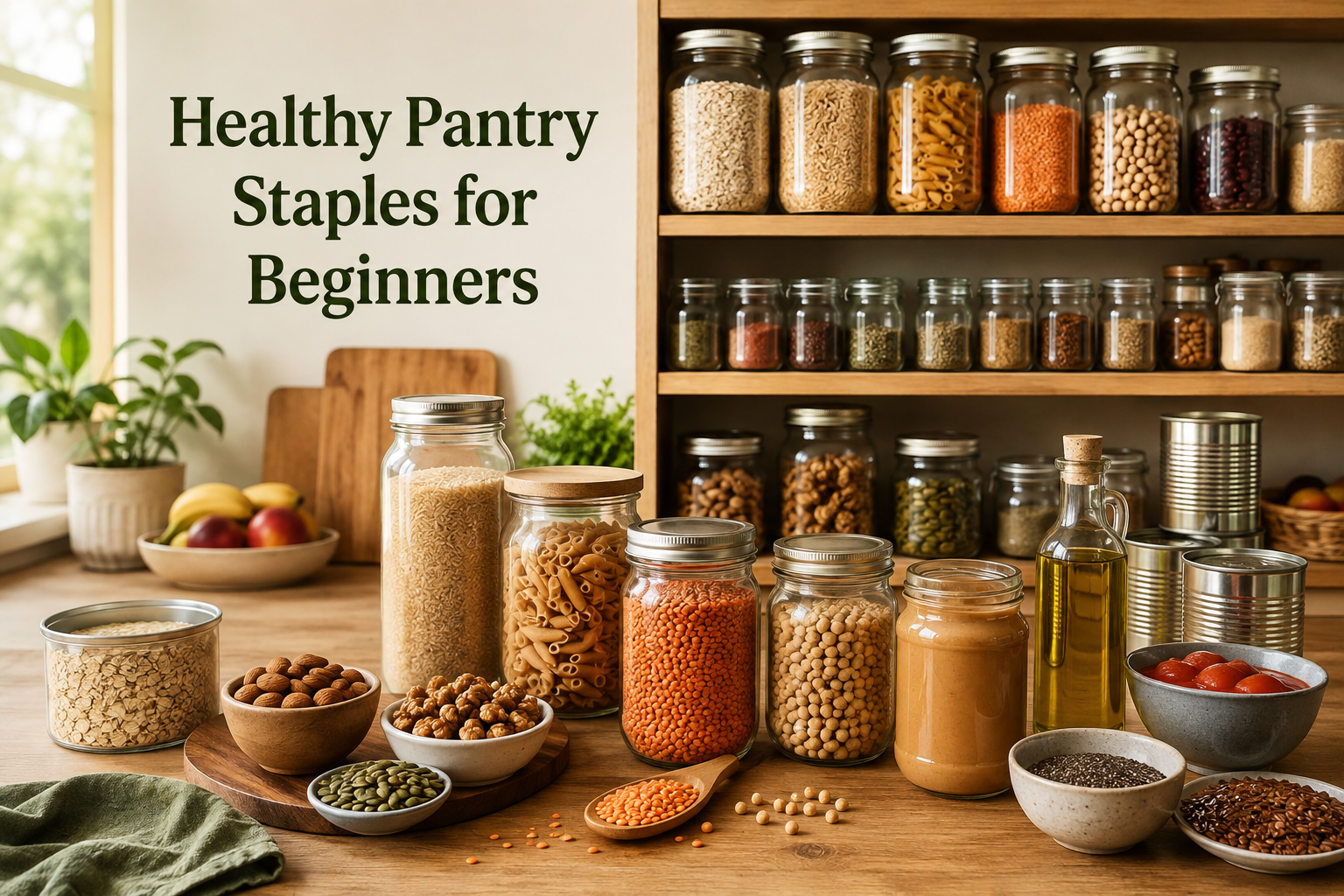
Healthy pantry staples for beginners are everyday foods and cooking ingredients that can be stored for relatively long periods and used in many different meals. They commonly include whole grains, beans, lentils, nuts, seeds, canned vegetables, healthy cooking oils, herbs, spices, and other minimally processed foods. For beginners, the goal is not to create a perfect pantry overnight. It is to build a practical collection of ingredients that provides fiber, protein, healthy fats, and other important nutrients while making everyday cooking easier.
Why Should Beginners Build a Healthy Pantry?
A well-stocked pantry can take some of the stress out of healthy eating. When you are tired or short on time, having basic ingredients already available makes it easier to prepare a meal instead of relying on takeout or highly processed convenience foods. A few pantry staples can also stretch fresh ingredients further. For example, vegetables, lentils, canned tomatoes, and whole grains can become a filling soup or stew without requiring a long shopping list. Over time, a good pantry can also help reduce food waste because you have flexible ingredients that work across several recipes.
1. Oats
Oats are one of the easiest staples for a beginner to keep at home because they work for much more than traditional breakfast porridge. Rolled oats can be cooked with milk or water and topped with fruit, nuts, seeds, or yogurt, while they can also be added to homemade energy bites, smoothies, or simple baked recipes. Oats provide carbohydrates and fiber, making them a convenient choice when you want a filling breakfast without much preparation.
2. Brown Rice
Brown rice is a useful whole-grain staple that can form the base of countless meals. You can serve it with beans, lentils, vegetables, chicken, fish, or eggs, and a cooked batch can make busy weekday meals much easier. If you do not enjoy brown rice, you do not have to force yourself to eat it; other whole grains can serve the same purpose. The important idea is having a filling grain that fits naturally into the meals you already enjoy.
3. Whole-Wheat Pasta
Whole-wheat pasta is another beginner-friendly option because it can turn a few simple ingredients into a complete meal. Combine it with canned tomatoes, garlic, olive oil, vegetables, beans, tuna, or chicken for a quick dinner. Whole-wheat pasta generally contains more fiber than regular refined pasta, so it can be a useful choice when you want to make your meals more filling while keeping preparation simple.
4. Lentils
Lentils deserve a permanent place in many beginner pantries because they are affordable, versatile, and easy to cook. They can be turned into soups, curries, stews, salads, or simple lentil bowls, and they pair particularly well with rice and vegetables. They also provide plant-based protein and fiber, which makes them useful when you want satisfying meals without relying on meat every day.
5. Chickpeas and Other Beans
Canned or dried chickpeas, kidney beans, black beans, and other legumes can make a basic pantry much more useful. Canned versions are especially convenient because they can be rinsed and added directly to salads, soups, wraps, rice dishes, or homemade curries. If you are buying canned beans, checking the label for added sodium can help you choose options that fit your dietary needs.
6. Canned Tomatoes
Canned tomatoes may not seem exciting, but they are one of the most useful ingredients a beginner can buy. They can become the foundation of pasta sauces, soups, stews, shakshuka-style dishes, bean recipes, and many simple vegetable meals. Keeping a few cans available means you can make a flavorful meal even when your refrigerator looks nearly empty.
7. Extra-Virgin Olive Oil
A good cooking oil is an important pantry basic, and extra-virgin olive oil is a popular choice for dressings, roasting, sautéing, and finishing meals. You do not need several different oils when you are starting out. One versatile oil that you enjoy using is usually enough, although the best choice can depend on the type of cooking you do and your overall dietary preferences.
8. Natural Peanut Butter or Nut Butter
Nut butter can be an easy way to add flavor, fat, and some protein to everyday meals and snacks. Spread it on whole-grain toast, stir it into oatmeal, add it to a smoothie, or pair a small amount with fruit. When choosing peanut butter or another nut butter, look for a product that fits your preferences and does not contain unnecessary added ingredients. Remember that nut butters are calorie-dense, so a modest serving can go a long way.
9. Nuts
Almonds, walnuts, peanuts, pistachios, and other nuts are convenient pantry snacks that require no cooking. They can also be chopped over oatmeal, yogurt, salads, or grain bowls for extra texture and flavor. Because nuts are energy-dense, storing them in an airtight container and paying attention to portions can make them easier to enjoy as part of a balanced diet.
10. Seeds
Chia seeds, flaxseeds, pumpkin seeds, and sunflower seeds are small ingredients with plenty of uses. Add them to oatmeal, yogurt, smoothies, salads, or homemade baked goods when you want a simple nutritional boost. Ground flaxseed is particularly easy to mix into breakfast foods, while pumpkin and sunflower seeds can add crunch to otherwise simple meals.
11. Whole-Grain Crackers
A package of whole-grain crackers can be useful when you need a quick snack or something to serve with soup. Pair them with hummus, peanut butter, cheese, tuna, or another protein-rich food instead of eating them alone. When shopping, compare nutrition labels and choose a product that suits your needs rather than assuming that every product labeled “whole grain” is automatically the healthiest option.
12. Canned Fish
Canned tuna, salmon, sardines, and similar seafood can be extremely convenient when fresh protein is not available. They can be added to sandwiches, salads, pasta, rice bowls, or simple wraps within minutes. Canned fish also has a long shelf life, making it particularly useful for beginners who want a practical backup protein in the pantry.
13. Dried Herbs and Spices
Healthy food does not have to taste boring, and a small collection of herbs and spices can make a huge difference. Start with basics such as black pepper, garlic powder, paprika, cumin, cinnamon, oregano, and chili powder, then expand based on the meals you actually cook. Instead of buying a large spice collection that sits unused, choose a few seasonings that match your favorite cuisines.
14. Low-Sodium Broth
Low-sodium vegetable or chicken broth can make soups, stews, grains, sauces, and one-pot meals easier to prepare. It is especially useful when you want more flavor without adding a large amount of salt yourself. Keep in mind that “low sodium” does not mean sodium-free, so checking the nutrition label is still worthwhile if you have been advised to limit sodium.
15. Whole-Grain Flour
Whole-grain flour can be useful if you enjoy making pancakes, muffins, flatbreads, or simple homemade snacks. You do not need to become an expert baker to use it. Even having a small bag available can give you more control over what goes into homemade recipes and can be a practical alternative to buying packaged baked goods every time you want something simple.
16. Unsweetened Applesauce
Unsweetened applesauce is an underrated pantry staple that works as a snack, breakfast topping, or baking ingredient. It can add natural sweetness and moisture to certain homemade recipes while giving you another way to use fruit without needing fresh produce every day. Choose unsweetened varieties if you want to avoid unnecessary added sugar.
17. Dried Fruit
Raisins, dates, dried apricots, and other dried fruits can be convenient when fresh fruit is unavailable. They work well in oatmeal, homemade trail mix, salads, and baked recipes. Because drying removes much of the water and concentrates the natural sugars and calories, a small serving is generally enough for a snack.
18. Healthy Pantry Staples for Quick Breakfasts
A beginner pantry can make breakfast much easier when it contains oats, nut butter, whole-grain bread or crackers, seeds, and dried fruit. These ingredients can be combined in different ways depending on what you have in the refrigerator. Oatmeal with banana and peanut butter, whole-grain toast with nut butter, or yogurt topped with oats and seeds are simple examples that require little cooking and can be prepared quickly.
19. Healthy Pantry Staples for Easy Lunches
For quick lunches, focus on ingredients that can be combined rather than ingredients that only work in one recipe. Canned chickpeas, tuna, brown rice, whole-wheat pasta, canned tomatoes, and spices can form the foundation of several different meals. Add whatever fresh vegetables, eggs, chicken, or other foods you have available, and you can create a satisfying lunch without following a complicated recipe.
20. Healthy Pantry Staples for Simple Dinners
Dinner becomes easier when your pantry contains at least one whole grain, one legume, canned tomatoes, cooking oil, and several seasonings. Rice and lentils can become a comforting meal, while pasta with tomatoes and beans can be ready relatively quickly. The idea is to keep flexible ingredients rather than filling your shelves with products designed for only one particular dish.
How to Choose Healthy Pantry Foods
When shopping for pantry foods, look beyond marketing words on the front of the package and check the nutrition facts and ingredient list. Compare products based on factors such as added sugars, sodium, fiber, protein, and the overall ingredient list. You do not need to avoid every packaged food. The better approach is to understand what you are buying and choose products that support the way you normally eat.
What Should Beginners Avoid Buying Too Much Of?
Beginners often make the mistake of buying a large number of specialty ingredients because they sound healthy. The problem is that unusual grains, powders, sauces, snacks, and supplements can sit untouched until they expire. It is usually smarter to buy small amounts of versatile foods first and notice what you actually use. If you consistently cook with oats, lentils, rice, tomatoes, and spices, those are the foods worth keeping stocked.
How to Organize a Healthy Pantry
A simple pantry organization system can make healthy ingredients easier to find. Keep grains and pasta together, beans and canned foods in another area, and nuts and seeds in airtight containers where possible. Place frequently used ingredients within easy reach and check expiration dates occasionally. A clear view of what you already own also reduces the chance of buying duplicates.
How Often Should You Restock Pantry Staples?
There is no universal restocking schedule because it depends on household size, cooking habits, and how much storage space you have. Instead of automatically buying everything every week, check your pantry before grocery shopping and replace the ingredients you are actually using. A small household might need to restock oats or rice occasionally, while a larger family may go through these foods much faster.
A Simple Healthy Pantry Starter List
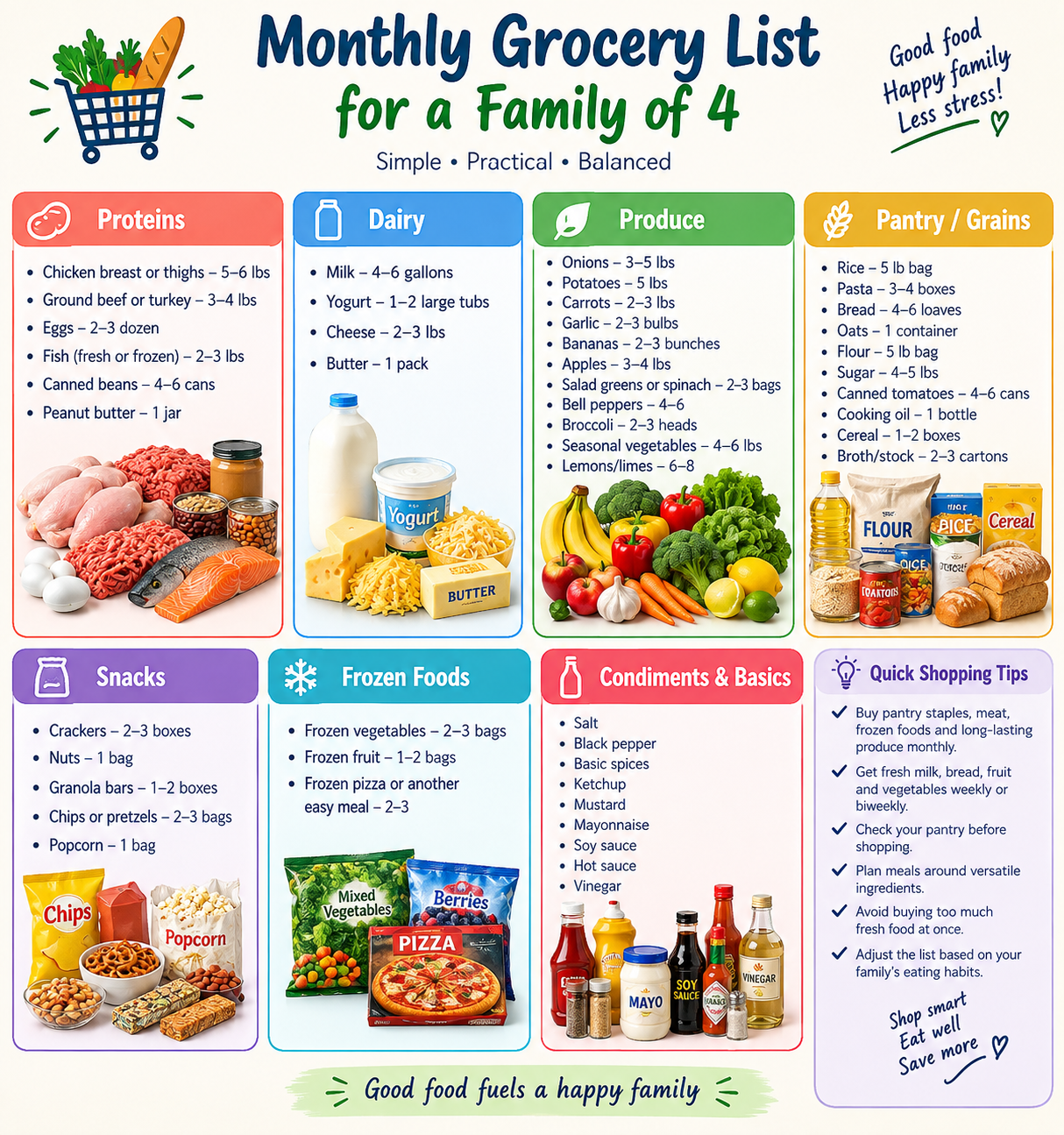
If your kitchen is almost empty, start with oats, brown rice, whole-wheat pasta, lentils, chickpeas or beans, canned tomatoes, olive oil, peanut butter, nuts, seeds, a few basic spices, and canned fish. That is enough to create a surprising number of simple meals once you combine these foods with fresh vegetables, fruit, eggs, dairy products, or other proteins. You can expand the list gradually instead of spending a large amount of money on your first grocery trip.
Conclusion
The best healthy pantry staples for beginners are not necessarily the trendiest foods or the most expensive products. They are the ingredients you can use repeatedly, combine easily, and realistically keep in your kitchen. Start with a few whole grains, legumes, healthy fats, canned foods, nuts, seeds, and seasonings, then build around your normal eating habits. A healthy pantry should make cooking feel easier, not turn your kitchen into a storage room full of ingredients you never touch.
FAQs
What are the healthiest pantry staples for beginners?
Some practical choices include oats, brown rice, whole-wheat pasta, lentils, chickpeas, beans, canned tomatoes, nuts, seeds, olive oil, natural nut butter, and basic herbs and spices. These foods are versatile and can be combined with fresh ingredients to make balanced meals.
What should I buy first for a healthy pantry?
Start with a small collection rather than trying to buy everything at once. Oats, rice, lentils, beans, canned tomatoes, olive oil, peanut butter, nuts, seeds, and a few spices are a useful starting point for many households.
Are canned foods healthy?
Many canned foods can fit into a healthy diet, particularly foods such as beans, tomatoes, vegetables, and fish. Check the nutrition label and consider lower-sodium options when appropriate. Rinsing canned beans can also reduce some of the sodium on their surface.
How can I make pantry meals healthier?
Build meals around minimally processed staples and combine them with fresh or frozen vegetables and a suitable protein source. For example, rice and beans become more balanced when paired with vegetables, while whole-wheat pasta can be combined with tomatoes, vegetables, and fish or beans.
Is brown rice better than white rice?
Brown rice contains more fiber and some nutrients because the bran and germ remain intact, while white rice is more processed. Both can be part of a healthy diet, and the better choice depends on your dietary needs, preferences, and the rest of your meal.
Read also: Best Skincare Routine for Combination Acne-Prone Skin
One thought on “Healthy Pantry Staples for Beginners, Simple Everyday Meals”