Stainless Steel Water Bottle for Hiking and Camping
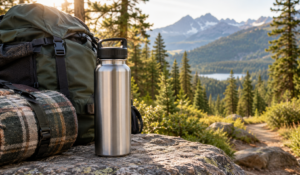
A reliable stainless steel water bottle for hiking and camping can make every outdoor trip more comfortable. Whether you are walking along a mountain trail, setting up a campsite, or spending a full day exploring nature, having enough drinking water within reach matters. The right bottle should be durable, easy to carry, simple to clean, and capable of handling the conditions you expect outdoors. Some hikers prefer insulated bottles that keep water cold for hours, while others choose lightweight stainless steel designs that take up less space in a backpack. The best option depends on your trip length, weather, available water sources, and personal preferences. In this guide, you will learn what to look for, which features matter most, how to choose the right size, and how to maintain your bottle for years of outdoor adventures.
Why Choose a Stainless Steel Water Bottle for Hiking and Camping?
Outdoor adventures can be unpredictable. You might leave early in the morning, walk for several hours, and find yourself far from shops or drinking fountains. A dependable water bottle helps you carry water wherever the trail takes you. Stainless steel is a popular choice because it offers a useful balance of durability, practicality, and long-term value. Unlike many disposable bottles, a reusable steel bottle can accompany you on countless trips when properly maintained.
Another advantage is its versatility. You can use the same bottle for day hikes, overnight camping, road trips, fishing, and everyday activities. A well-made model can handle regular outdoor use without becoming a disposable item after a few outings. For campers who want to reduce single-use plastic waste, carrying a reusable bottle is also a straightforward way to make their trips less wasteful.
What Makes Stainless Steel Suitable for Outdoor Adventures?
Durability on Hiking Trails
Hiking equipment often gets knocked around. Your bottle might rub against trekking poles, slide inside a backpack, or accidentally fall onto a rocky surface. Stainless steel generally handles everyday outdoor wear better than many lightweight plastic alternatives, although dents and scratches can still occur. A bottle with a protective finish and sturdy construction is worth considering if you regularly hike over rough terrain.
Resistance to Rust and Corrosion
Food-grade stainless steel, particularly commonly used 18/8 or 304-grade steel, offers good resistance to corrosion under normal conditions. This makes it suitable for carrying drinking water during camping trips and outdoor excursions. However, stainless steel is not completely immune to corrosion. Salt, trapped moisture, harsh cleaning chemicals, and neglected damage can affect its surface over time. Rinsing and drying your bottle after use helps keep it in good condition.
No Lingering Taste from Previous Drinks
A clean stainless steel bottle generally does not retain flavors as readily as some plastic containers. This is particularly useful when you fill it with plain water every day. However, strong drinks such as coffee, flavored electrolyte mixes, or juice can leave odors or residue if the bottle is not washed properly. A wide-mouth opening makes cleaning easier and helps prevent unwanted smells from building up.
Types of Stainless Steel Water Bottles for Hiking and Camping
Single-Wall Stainless Steel Bottles
Single-wall bottles have a simpler construction because they do not contain a vacuum-insulated layer. They are often lighter and easier to pack, making them attractive to hikers who carefully manage the weight of their equipment. They work well for carrying ordinary drinking water when maintaining its temperature is not a major concern. One important limitation is that the outside temperature can affect the water more quickly, and the bottle may become hot or cold to the touch.
Double-Wall Insulated Bottles
Double-wall vacuum-insulated bottles contain two layers of steel with a vacuum between them. This design slows heat transfer, helping cold water stay cold and hot drinks remain warm for extended periods. They are useful for camping in changing weather, long road trips, and hikes where refreshing cold water makes a difference. The trade-off is additional weight and bulk, so insulation may not be necessary for every outdoor activity.
Wide-Mouth Bottles
Wide-mouth bottles have larger openings that make filling, adding ice, and cleaning easier. They can be especially convenient when you need to refill from a large water container at camp. Some models also accept compatible filters or accessories, but you should check the manufacturer’s specifications rather than assume that every filter will fit. A secure lid is essential because a wide opening does not automatically mean a bottle is leakproof.
Bottles with Carry Loops or Integrated Handles
A carry loop makes it easier to grab your bottle while walking or attach it to a suitable pack strap. Some designs include folding handles that improve portability around camp. These features are helpful when your hands are occupied, but they should not replace proper storage. Attaching a heavy bottle to the outside of a backpack can cause it to swing, catch on branches, or become dislodged on uneven ground.
How to Choose the Right Bottle Size for Hiking and Camping
500 ml to 750 ml Bottles for Short Hikes
A smaller bottle is a practical choice for short walks, easy trails, or outings where you can refill regularly. It takes up less space and can be easier to carry in a backpack’s side pocket. However, a 500 ml bottle may not provide enough water for a long hike, especially in hot weather. If you choose this size, make sure you have a realistic plan for refilling and carrying additional water when needed.
1-Litre Bottles for Day Trips
A 1-litre stainless steel water bottle offers a useful balance between capacity and portability for many day hikers. It can provide a convenient amount of water without requiring an especially large container. Still, the bottle’s weight increases as you fill it, and a litre may not be enough for a demanding trail. Your water needs depend on temperature, physical effort, personal health, and access to safe refilling points.
Larger Bottles for Camping and Longer Adventures
Bottles holding 1.5 litres or more can be useful when you expect fewer opportunities to refill. They may also suit campers who prefer carrying a larger supply between the vehicle and campsite. The downside is extra weight, particularly when the bottle is full. For longer trips, carrying multiple containers and planning water supplies is often more practical than relying on one oversized bottle.
Important Features to Look for in an Outdoor Water Bottle
A Leakproof Lid
A secure lid is one of the most important features for a hiking bottle. Even a small leak can soak spare clothes, food packaging, maps, or electronic equipment inside your backpack. Look for a screw-top lid or another closure system specifically designed to prevent leaks. Check that the sealing ring sits correctly and that the manufacturer describes the bottle as leakproof when closed properly.
Insulation That Matches Your Needs
Insulation can be valuable during summer hikes and cold-weather camping, but it is not essential for everyone. If you enjoy cold water throughout a long walk, a double-wall insulated design may be worth its extra weight. If you mainly need a simple container for drinking water and want to keep your backpack light, a single-wall bottle may be the better fit. Consider how you will actually use the bottle instead of paying for features you rarely need.
A Wide Opening for Easy Cleaning
Bottle openings affect everyday convenience more than you might expect. A narrow opening can make drinking and pouring easy, but cleaning the inside may require a dedicated bottle brush. A wide opening allows you to reach more of the interior and makes it easier to remove residue after using flavored drinks. It also simplifies filling the bottle at a campsite, especially when using a larger water container.
A Secure Grip and Practical Shape
A bottle should feel comfortable in your hand and fit your backpack’s pockets or storage compartments. Straight-sided designs are often easy to pack, while tapered bottles may fit particular cup holders or side pockets better. Textured finishes can improve grip when your hands are damp. Before purchasing, check the bottle’s diameter, height, and weight rather than relying on capacity alone.
A Strong, Replaceable Lid and Seal
The lid can become the weak point of an otherwise durable bottle. A damaged thread, worn gasket, or cracked plastic component can make a container difficult to use. Choosing a model with replacement lids and sealing rings available can extend its useful life. This is particularly helpful for frequent campers who would rather replace one small component than an entire bottle.
Stainless Steel vs. Plastic and Aluminum Hiking Bottles
Stainless Steel vs. Plastic
Plastic bottles are often lighter and less expensive, making them attractive to hikers who prioritize low pack weight. Stainless steel generally feels sturdier and may offer better resistance to everyday impacts, depending on the design. Both materials can be suitable for carrying drinking water when the product is intended for that purpose and maintained properly. The choice comes down to your budget, weight preferences, expected durability, and willingness to care for reusable equipment.
Stainless Steel vs. Aluminum
Aluminum bottles can be lightweight and convenient for outdoor activities. Many have an interior liner that separates the drink from the metal, so the condition and suitability of that lining matter. Stainless steel bottles are often heavier, but they generally do not rely on the same type of interior coating. Neither material is automatically the best choice for every hiker; compare construction quality, lid design, weight, and cleaning instructions before buying.
Which Material Is Best for Camping?
For car camping, where carrying equipment over long distances is not a major concern, an insulated stainless steel bottle can be a comfortable everyday choice. For backpacking, a lightweight plastic bottle may be more practical if reducing weight is the main priority. Stainless steel makes the most sense when you want a reusable container that balances durability and everyday convenience. There is no need to choose the heaviest bottle simply because it looks more rugged.
How to Use Your Bottle Safely on the Trail
Carrying water is only part of staying hydrated outdoors. You also need to estimate how much water your route requires and identify safe places to refill. Hot conditions, steep climbs, heavy backpacks, and long periods of exercise can increase your fluid needs. Drink regularly, pay attention to how you feel, and avoid relying on a single fixed water allowance for every trip.
A stainless steel bottle does not make untreated water safe to drink. If you collect water from streams, lakes, or other outdoor sources, use an appropriate treatment method for the potential contaminants. Depending on the source, this may involve a suitable filter, disinfection, or boiling. Some filters do not remove viruses or dissolved chemicals, so check their capabilities carefully. A bottle with a compatible filter can be useful, but compatibility and treatment effectiveness should never be assumed.
It is also sensible to keep drinking water separate from fuel, cleaning products, and other chemicals in your camping equipment. Close the lid securely after filling, and inspect the container before setting out. If your bottle has suffered significant damage or its inner surface appears compromised, follow the manufacturer’s guidance before using it again.
How to Clean and Maintain a Stainless Steel Camping Bottle
A stainless steel bottle stays fresher when you clean it consistently instead of waiting for an unpleasant smell to appear. For everyday water use, wash it with warm water and mild dish soap, paying attention to the mouthpiece, lid, and sealing ring. Use a bottle brush if necessary, then rinse thoroughly to remove soap residue. Allow the bottle and lid to dry completely before storing them, preferably with the lid off so moisture does not become trapped inside.
If you use your bottle for coffee, juice, sports drinks, or electrolyte mixtures, clean it soon after use. Sugary liquids can leave residue, while coffee and tea may create persistent odors or stains. Follow the manufacturer’s instructions when cleaning insulated models, and avoid abrasive materials or harsh chemicals that could damage the finish or seals. Unless the manufacturer explicitly states otherwise, do not assume that the bottle is dishwasher-safe.
Before each camping trip, inspect the lid, threads, and gasket for signs of wear. Check for leaks by filling the bottle with water, securing the lid, and briefly testing it over a sink. Store the bottle somewhere clean and dry between trips. These simple habits can help preserve its condition and make it more pleasant to use on your next adventure.
Common Mistakes to Avoid When Buying a Hiking Water Bottle
One common mistake is choosing a bottle based only on appearance. A stylish design may look great in photographs but still be awkward to carry or difficult to clean. Another is buying a large insulated bottle without considering its filled weight. Water weighs approximately one kilogram per litre, before you add the bottle itself, so capacity can make a noticeable difference during a long climb.
It is also easy to assume that every stainless steel bottle keeps drinks cold for the same amount of time. Insulation quality, lid construction, initial water temperature, and outdoor conditions all affect performance. Read product specifications carefully and look for clear details about capacity, materials, care instructions, and replacement parts. Finally, avoid treating an ordinary bottle as a substitute for a water-treatment system. Safe drinking water requires appropriate handling, particularly when camping far from treated supplies.
Best Tips for Packing a Stainless Steel Water Bottle for Camping
Packing your bottle properly can make your trip more comfortable. Place it in a backpack’s side pocket if it fits securely, or keep it inside the main compartment with the lid tightly closed. If you carry an insulated bottle, consider its weight alongside your food, shelter, and other equipment. A bottle that is easy to reach encourages regular drinking without forcing you to unpack half your bag whenever you need a sip.
For overnight camping, think about how you will refill the bottle and store extra water. A reusable bottle is a convenient drinking container, but it may not be the most efficient way to transport all the water you need. Dedicated water containers or hydration reservoirs can help when you need larger supplies. In cold weather, protect your water from freezing and check that the lid remains easy to open. With a little planning, your bottle becomes a useful part of your outdoor kit rather than another item to manage.
How Much Should You Spend on a Stainless Steel Hiking Bottle?
The right budget depends on how frequently you go outdoors and which features you need. An affordable single-wall bottle may be perfectly adequate for occasional walks and basic camping. If you hike regularly, investing in better construction, a reliable lid, and readily available replacement parts may offer better long-term value. Insulated models usually cost more because of their construction, but the extra expense is worthwhile only if temperature retention matters to you.
Rather than automatically choosing the most expensive option, compare the details that affect everyday use. Check the bottle’s empty weight, capacity, material specifications, insulation claims, cleaning requirements, and warranty. Read customer reviews with particular attention to recurring complaints about leaks, damaged lids, or difficult cleaning. A moderately priced bottle that suits your needs is often a better purchase than a premium model with features you will rarely use.
Conclusion
Choosing the right stainless steel water bottle for hiking and camping starts with understanding how you spend time outdoors. A lightweight single-wall bottle may be ideal for short hikes, while a double-wall insulated model can be more comfortable for long days in hot weather or overnight camping. Capacity, lid security, ease of cleaning, and backpack compatibility are just as important as appearance.
Think about your typical route, the weather you encounter, and how often you can refill your water supply. Choose a bottle that fits those needs, maintain it properly, and make a realistic hydration plan before every trip. The best outdoor bottle is not necessarily the biggest or most expensive one. It is the one you can carry comfortably, trust not to leak, and use confidently on adventure after adventure.
Frequently Asked Questions
1. Is a stainless steel water bottle good for hiking and camping?
Yes, stainless steel bottles are a practical choice because they are reusable, durable, and available in both lightweight and insulated designs. Choose a size and construction that suit your route, carrying capacity, and water needs.
2. What size stainless steel bottle is best for hiking?
A 750 ml to 1-litre bottle can be a convenient starting point for many day hikes. Longer or more demanding trips may require additional water capacity. Consider the weather, physical effort, trail conditions, and available safe refill points before deciding how much water to carry.
3. Is an insulated stainless steel bottle worth it for camping?
An insulated bottle is worth considering if you want cold water during hot-weather hikes or warm drinks at camp. However, it is usually heavier than a comparable single-wall bottle. If low weight is your main priority, a non-insulated design may be more suitable.
4. How do I stop my stainless steel water bottle from smelling?
Wash the bottle, lid, and gasket with warm water and mild dish soap after use. Use a bottle brush to clean hard-to-reach areas, rinse thoroughly, and allow all parts to dry completely. For stubborn odors, follow the manufacturer’s recommended cleaning method.
5. Can I put boiling water in a stainless steel hiking bottle?
Only do so if the manufacturer confirms that the bottle is suitable for hot liquids. Even then, handle hot water carefully because the opening, lid, and liquid itself can cause burns. Single-wall steel bottles can become hot to the touch, while insulated bottles may keep their contents dangerously hot for longer than expected.
Read also: 25 Easy Ideas Nut Free Snacks for School
Pingback: Non-Stick Frying Pan Set Induction Base