







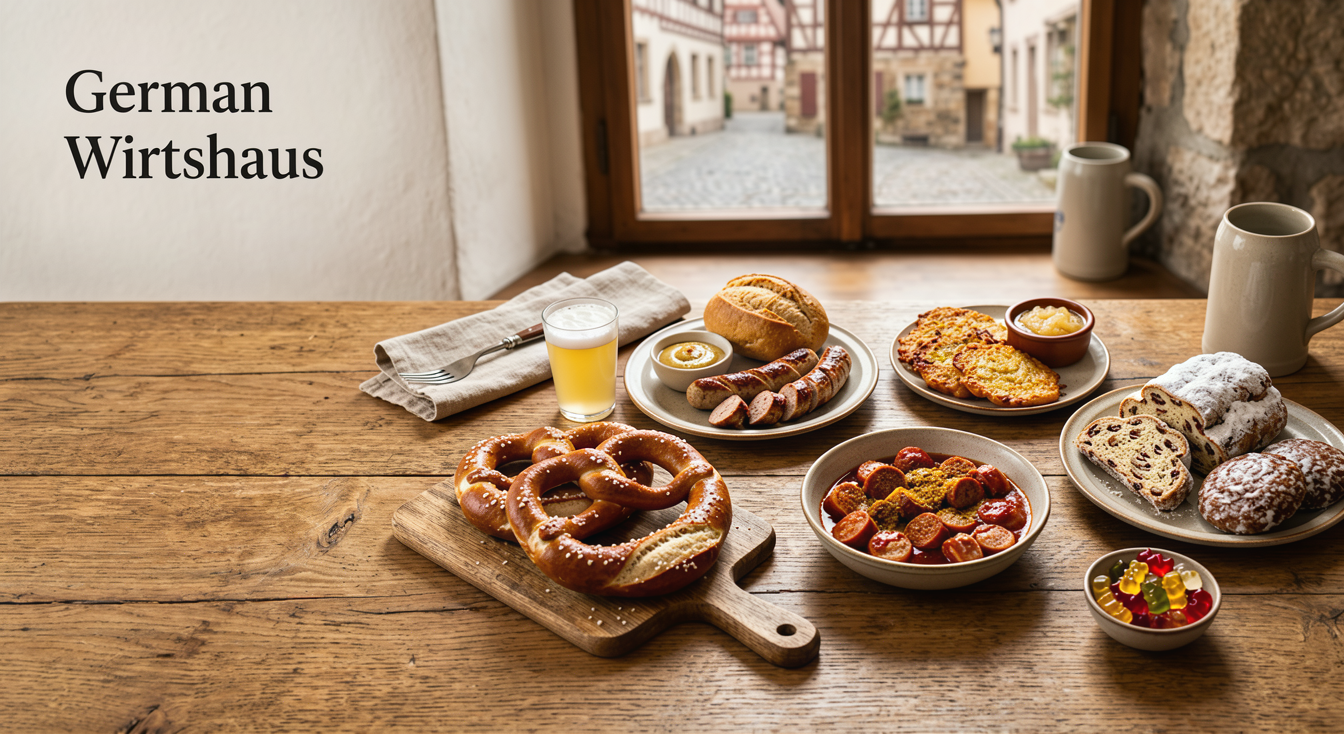
German snacks are small or casual foods commonly enjoyed between meals, at bakeries, markets, festivals, cafés, and street-food stands. They include savory choices such as pretzels, sausages, potato pancakes, and meat patties, as well as sweet options such as gingerbread, biscuits, and chocolate-covered treats. Many are closely connected with particular regions, holidays, or everyday German food traditions.
Why Are German Snacks So Popular?
The appeal comes from their simplicity, variety, and comforting flavors. German snack culture often focuses on familiar ingredients such as potatoes, bread, sausages, cheese, onions, apples, and spices rather than complicated preparations. A freshly baked pretzel can be satisfying on its own, while something like currywurst combines sausage with a flavorful sauce for a completely different experience. This variety makes German snacks interesting for both adventurous food lovers and people who prefer familiar flavors.
1. Brezel: Germany’s Famous Pretzel
The Brezel, or German pretzel, is probably one of the first foods people associate with Germany. It has a distinctive twisted shape, a chewy texture, and a lightly salty crust created through a traditional baking process. Fresh pretzels are often eaten with butter, mustard, cheese, or other savory accompaniments. They are especially common at bakeries, beer gardens, festivals, and casual food stalls, making them an easy snack to try when exploring German food.
2. Currywurst: A Classic Street Snack
Currywurst is one of Germany’s best-known street foods. It usually consists of sliced cooked sausage covered with a tomato-based curry sauce and sprinkled with curry powder. The combination is sweet, savory, mildly spicy, and deeply satisfying. It is commonly served with fries or a bread roll, making it more substantial than many traditional snack foods. Currywurst is particularly associated with Berlin and has become a recognizable part of modern German street-food culture.
3. Bratwurst: The Traditional German Sausage
Bratwurst refers to a broad family of German sausages rather than one single recipe. Different regions have their own versions, with variations in size, seasoning, meat, and preparation. A grilled Bratwurst served inside a crusty bread roll with mustard is a simple but classic German snack. At outdoor markets and festivals, you may see sausages being grilled over hot coals before being handed directly to customers.
4. Kartoffelpuffer: Crispy Potato Pancakes
Kartoffelpuffer are crispy potato pancakes made primarily from grated potatoes, with ingredients such as onion, egg, and flour often added to hold the mixture together. They are fried until golden and crisp on the outside while remaining soft inside. Depending on the setting, they can be served with applesauce for a sweet contrast or with savory toppings. Their crispy texture makes them especially appealing as a warm snack.
5. Leberkäse: A Filling Bavarian Favorite
Leberkäse is a smooth, baked meat loaf that is particularly associated with Bavaria and southern Germany. Despite its name, traditional Leberkäse does not necessarily contain liver, and recipes vary. A popular way to enjoy it is as a thick slice inside a bread roll with mustard. It is filling, convenient, and commonly eaten as a quick lunch or snack when people want something more substantial.
6. Frikadellen: German-Style Meat Patties
Frikadellen are seasoned meat patties made from ground meat mixed with ingredients such as onion, egg, breadcrumbs, and herbs. They are usually shaped into flat patties and fried until browned on the outside. You can eat them warm or cold, and they work particularly well in a simple bread roll with mustard. They are a good example of how everyday German food can be straightforward while still being full of flavor.
7. Flammkuchen: Thin and Crispy Flatbread
Flammkuchen, sometimes called German-style flatbread, has a very thin and crispy base traditionally topped with crème fraîche or a similar creamy ingredient, onions, and bacon. It originated in the Alsace region, where German and French culinary traditions meet. Today, different versions can include vegetables, cheese, mushrooms, or other toppings. Its thin base and rich topping make it an enjoyable choice when you want something lighter than a traditional pizza but still satisfying.
8. Bratkartoffeln: Crispy Fried Potatoes
Bratkartoffeln are pan-fried potatoes that can be enjoyed as a side dish, snack, or casual meal. Sliced or chopped potatoes are cooked until golden and often combined with onions and bacon. The result is crispy, savory, and comforting. While not always considered a snack in the strictest sense, Bratkartoffeln fit naturally into Germany’s casual food culture and are worth trying if you enjoy hearty potato dishes.
9. Obatzda: A Creamy Bavarian Snack
Obatzda is a Bavarian cheese spread traditionally made with soft cheese, butter, paprika, and seasonings. It is often served with bread or pretzels and is especially popular in beer gardens. The creamy texture works beautifully with the crunchy crust of a fresh Brezel. Because it is easy to share, Obatzda is also a popular choice for relaxed gatherings and traditional Bavarian meals.
10. Lebkuchen: Traditional German Gingerbread
Lebkuchen is a classic German spiced baked treat strongly associated with Christmas markets and the holiday season. Recipes vary, but common flavors include cinnamon, cloves, nutmeg, and other warm spices. Some varieties are soft and cake-like, while others are firmer and biscuit-like. Nürnberg is particularly famous for its Lebkuchen tradition, making these spiced treats an important part of Germany’s seasonal food culture.
11. Spekulatius: Crisp Spiced Biscuits
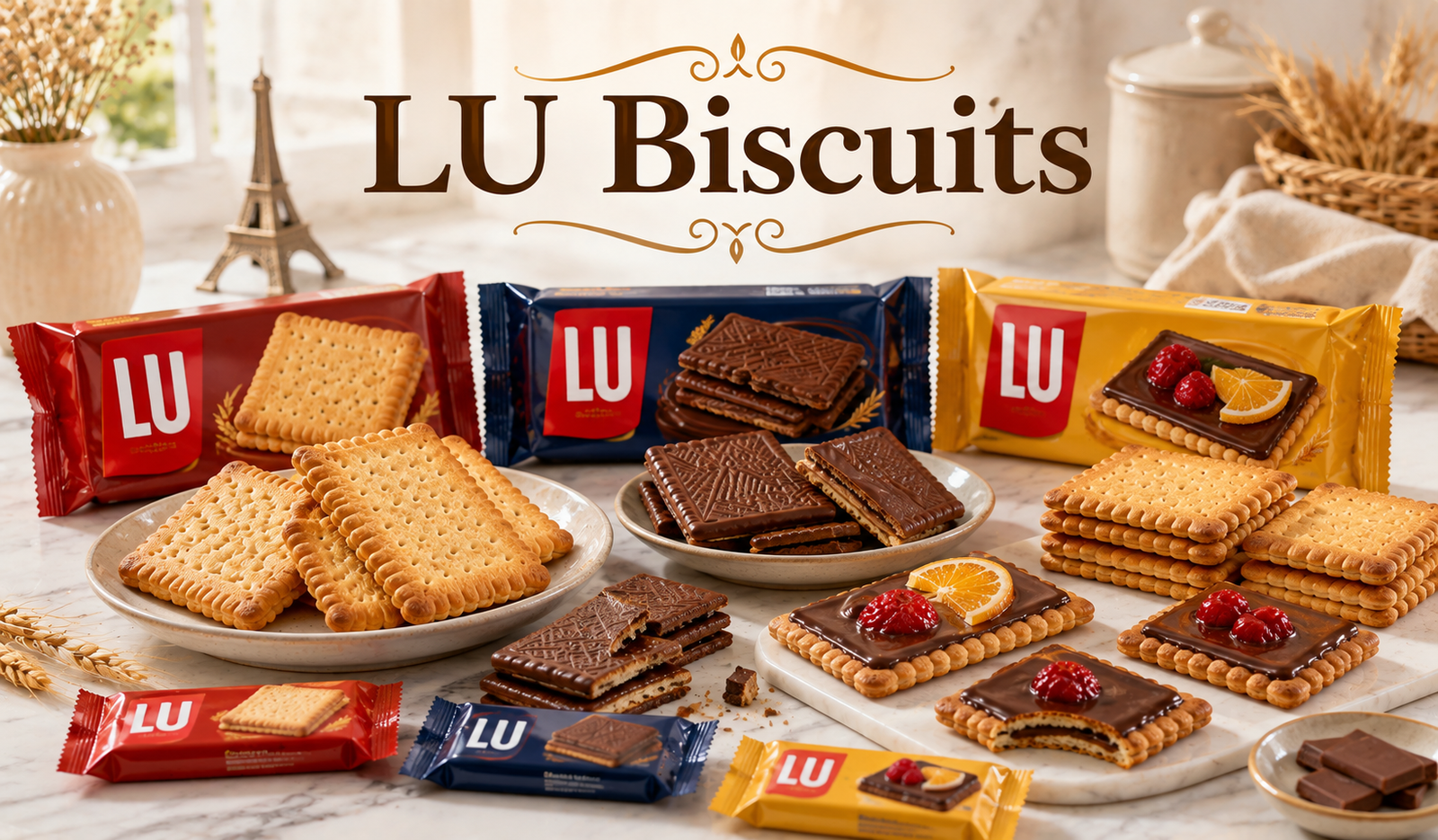
Spekulatius are thin, crunchy biscuits flavored with warm spices such as cinnamon and cloves. They are particularly popular during the Christmas season and are often enjoyed alongside coffee or tea. Their crisp texture and gently spiced flavor make them different from softer German holiday treats such as some varieties of Lebkuchen. They are also convenient to enjoy as a small snack without needing any preparation.
12. Schokoküsse: Chocolate-Covered Sweet Treats
Schokoküsse are sweet treats made with a soft whipped filling sitting on a wafer base and covered in a chocolate coating. Their light interior contrasts with the crisp chocolate shell, giving them a distinctive texture. They are sold in many German supermarkets and bakeries and are enjoyed as a simple sweet snack. Different brands and varieties may use slightly different fillings or coatings.
13. Gummibärchen: Germany’s Famous Gummy Bears
Gummibärchen are small gummy bear candies that have become closely associated with German confectionery. They are chewy, colorful, and commonly available in a variety of fruit flavors. Germany is particularly famous for the Haribo brand, which helped popularize gummy bears internationally. For visitors interested in everyday German sweets, a small bag of gummy bears is an easy and inexpensive treat to try.
14. Stollen: A Rich Christmas Treat
Stollen is a dense, sweet bread traditionally associated with Christmas, especially in eastern Germany and the city of Dresden. It commonly contains dried fruit, nuts, spices, and a generous coating of powdered sugar. The bread is rich and filling, so even a small slice can feel like a substantial snack. Dresdner Stollen has a particularly strong cultural and culinary identity and is widely recognized as a German Christmas specialty.
15. Apfelstrudel: A Sweet Apple Favorite
Apfelstrudel is a thin pastry filled with sliced apples, sugar, cinnamon, and sometimes raisins or nuts. Although strudel has a broader Central European history, it is firmly established in German-speaking food culture and is widely enjoyed in Germany. It is often served warm and may be accompanied by vanilla sauce, ice cream, or powdered sugar. The combination of crisp pastry and warm spiced apples makes it a comforting dessert-style snack.
German Snacks for Breakfast or a Quick Bite
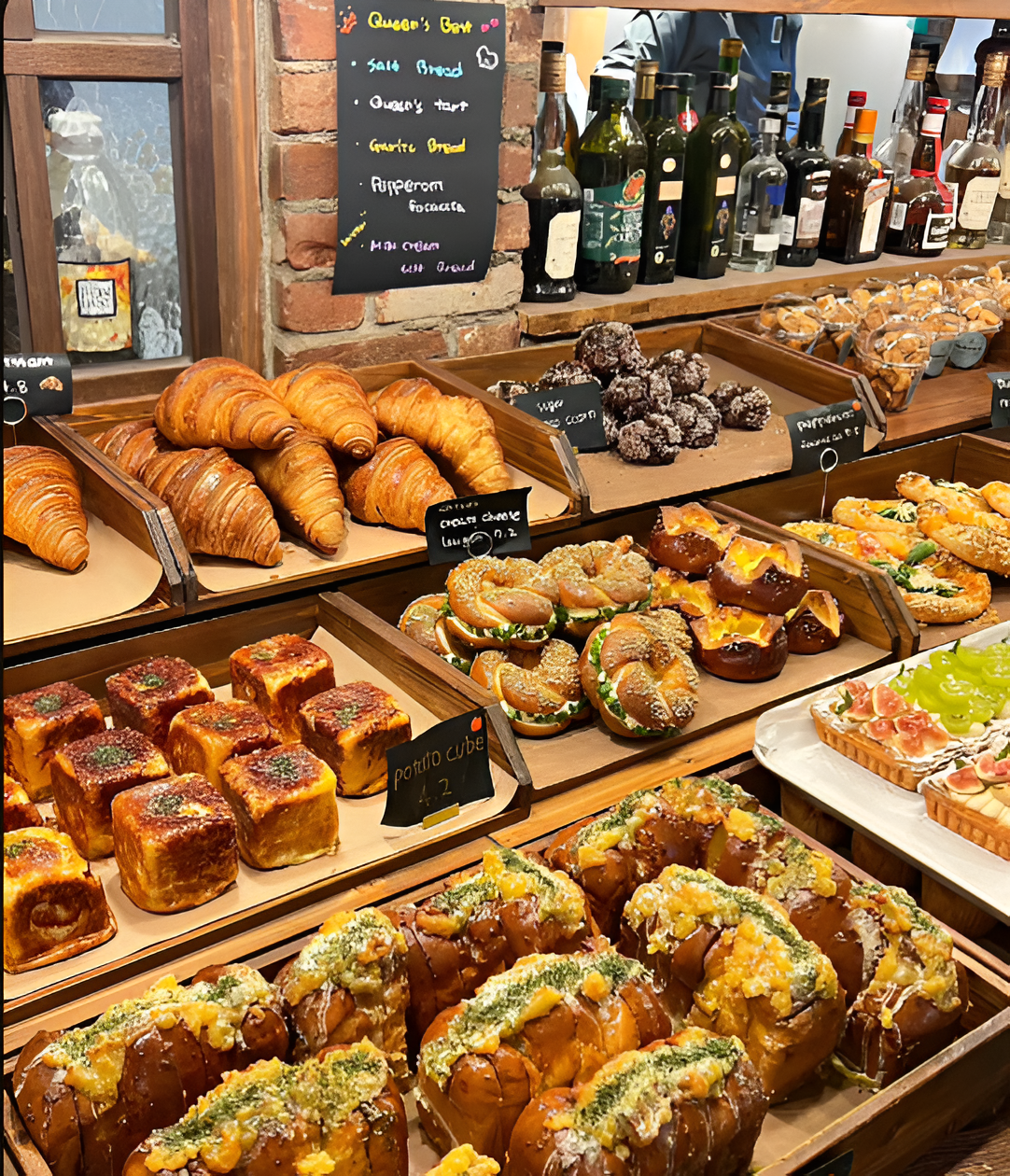
Germany has a strong bakery culture, so many snacks can easily become part of breakfast or a quick meal. Fresh bread rolls, pretzels, cheese, cold cuts, and sweet pastries are common choices. A simple Brötchen filled with cheese or sausage can be both convenient and filling. Bakeries are particularly useful for travelers because they offer a wide range of inexpensive foods without requiring a formal sit-down meal.
German Snacks for Street Food Lovers
If street food is what interests you most, start with Currywurst, Bratwurst, Brezel, and potato-based dishes. These foods are easy to eat while exploring markets, festivals, or city centers. Street-food traditions can differ from one region to another, so trying local specialties can make the experience more interesting than sticking only to internationally famous dishes.
German Snacks for Sweet Lovers
People with a sweet tooth have plenty of options. Lebkuchen and Spekulatius are excellent choices during the Christmas season, while Gummibärchen are available throughout the year. Schokoküsse offer a soft and airy texture beneath a chocolate coating, while Stollen provides a richer and denser experience. German bakeries also offer numerous cakes, pastries, and sweet rolls that vary by region.
German Snacks for Vegetarians
Not every traditional German snack is meat-based. Kartoffelpuffer can be vegetarian depending on the recipe, while pretzels, Obatzda, baked goods, cheese spreads, and certain pastries can also work well. Vegetarian travelers should still check individual ingredients because traditional recipes and modern versions can differ. Asking about preparation is the safest approach when eating away from home.
How to Choose German Snacks
The easiest way to choose is to think about the flavor and texture you want. If you want something salty and simple, try a Brezel. For meat lovers, Bratwurst or Currywurst are natural choices. Potato fans can try Kartoffelpuffer, while cheese lovers may enjoy Obatzda with bread or pretzels. If you prefer sweets, start with Lebkuchen, Spekulatius, Gummibärchen, or Apfelstrudel.
Are German Snacks Spicy?
Most traditional German snacks are not particularly spicy in the way that many Mexican, Indian, or Thai foods can be. Instead, they tend to rely on salt, mustard, herbs, onions, paprika, black pepper, and other seasonings for flavor. Currywurst can have some heat depending on the sauce and curry powder used, but the level varies. If you prefer mild foods, German cuisine generally offers plenty of comfortable options.
Where Can You Try German Snacks?
Traditional snacks can be found in German bakeries, markets, beer gardens, food stalls, restaurants, supermarkets, and seasonal festivals. Christmas markets are especially famous for offering a wide selection of sweet and savory foods. Regional differences are also worth exploring because Germany has many distinct culinary traditions. Trying a local specialty can often be more memorable than choosing only foods that are famous internationally.
Conclusion
German snacks offer much more variety than sausages and pretzels alone. From crispy Kartoffelpuffer and creamy Obatzda to sweet Lebkuchen and chewy Gummibärchen, there is something for almost every taste. The best part is that many of these foods are simple, familiar, and easy to enjoy casually. Whether you are visiting Germany or recreating its food culture at home, exploring these traditional bites is a delicious way to learn more about the country’s regional cooking and everyday eating habits.
FAQs About German Snacks
What is the most popular German snack?
The Brezel is one of the most recognizable German snacks, while Currywurst and Bratwurst are also widely associated with German street-food culture.
What snacks are Germany famous for?
Germany is famous for pretzels, sausages, Currywurst, potato pancakes, gingerbread, gummy bears, Stollen, and many regional bakery products.
What is a typical German snack?
A typical casual snack might be a Brezel with butter or mustard, a sausage in a bread roll, a Frikadelle, or a bakery item with coffee.
What German snacks are sweet?
Popular sweet choices include Lebkuchen, Spekulatius, Schokoküsse, Gummibärchen, Stollen, and Apfelstrudel.
Are German snacks good for vegetarians?
Yes. Pretzels, potato pancakes, cheese spreads, pastries, and some bakery foods can be vegetarian, although ingredients should always be checked.

One thought on “German Snacks Traditional Foods Worth Trying”