Best High Protein Breakfast Foods for a Healthy Start
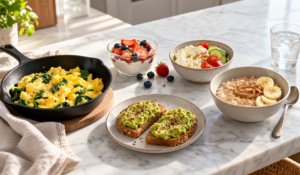
A high protein breakfast is a morning meal that provides a meaningful amount of protein along with other nutrients such as carbohydrates, healthy fats, vitamins, and minerals. Eggs with whole-grain toast, Greek yogurt with fruit and nuts, or an oatmeal bowl made with milk and peanut butter are simple examples. The goal is not to eat protein alone but to build a balanced breakfast that supports your daily nutritional needs.
Why Is Protein Important at Breakfast?
Protein plays several important roles in the body, including helping maintain and repair tissues and supporting normal body functions. Starting the day with a protein-rich meal can also make breakfast more satisfying than a meal based mostly on refined carbohydrates. For example, a bowl of sugary cereal may leave you looking for a snack relatively quickly, while adding Greek yogurt, eggs, milk, or nuts can make the meal more substantial.
How Much Protein Should You Have for Breakfast?
There is no single protein amount that works for everyone because daily needs depend on factors such as body size, age, activity level, and overall diet. For many adults, aiming for roughly 20–30 grams of protein at breakfast can be a practical starting point, especially when the rest of the day’s meals also contain protein. If you have specific dietary or medical needs, your individual target may be different.
15 High Protein Breakfast Ideas
There are plenty of ways to make breakfast more protein-rich without completely changing what you normally eat. The easiest approach is to start with a familiar meal and add one or two protein sources. Here are some practical combinations that work well for different tastes and schedules.
1. Eggs and Whole-Grain Toast
Eggs are one of the easiest breakfast proteins because they cook quickly and work with almost anything. Try two or three eggs with whole-grain toast, tomatoes, spinach, or avocado for a simple meal that combines protein, carbohydrates, fiber, and healthy fats. You can make scrambled eggs when you have a few extra minutes or boil eggs ahead of time for busy mornings.
2. Greek Yogurt and Fruit
Greek yogurt makes a convenient breakfast when you do not want to cook. Choose plain or lightly sweetened Greek yogurt and add berries, bananas, apples, chia seeds, walnuts, or almonds. The yogurt provides protein while fruit adds natural sweetness and fiber. If you need more calories or staying power, a spoonful of peanut butter can make the bowl even more satisfying.
3. Protein Oatmeal
Oatmeal does not have to be a low-protein breakfast. Cook your oats with milk instead of water, then add Greek yogurt, peanut butter, chia seeds, or nuts after cooking. You can also add sliced banana and cinnamon for flavor. This creates a warm breakfast that combines the slow-digesting carbohydrates from oats with several protein sources.
4. Cottage Cheese Toast
Cottage cheese is an underrated breakfast option because it provides protein and pairs surprisingly well with both savory and sweet ingredients. Spread cottage cheese over whole-grain toast and add tomatoes, cucumber, black pepper, and herbs for a savory version. For something sweeter, top it with berries, banana, or a small amount of honey.
5. Chicken and Egg Breakfast Wrap
If you enjoy savory breakfasts, a chicken and egg wrap can be an excellent choice. Fill a whole-wheat tortilla with scrambled eggs, cooked chicken, spinach, tomatoes, and a little cheese. It is filling enough for a busy morning and can be prepared ahead of time. Just make sure leftover chicken is properly cooked, stored, and reheated.
6. Peanut Butter Banana Oatmeal
Peanut butter and oats make a simple combination for mornings when you want something comforting and filling. Cook oats with milk, then stir in peanut butter and top with sliced banana. Peanut butter contributes protein and healthy fats, while oats and banana provide carbohydrates and fiber. If you need more protein, adding Greek yogurt on the side is an easy upgrade.
7. Vegetable Omelet
A vegetable omelet can turn a few eggs into a complete breakfast. Combine eggs with vegetables such as spinach, mushrooms, peppers, onions, and tomatoes, then add a small amount of cheese if you like. The vegetables increase the meal’s fiber and micronutrient content while the eggs provide protein. It is also a useful way to use leftover vegetables from the refrigerator.
8. High Protein Breakfast Smoothie
A smoothie can be one of the fastest breakfast options, especially when you are rushing out the door. Blend milk with Greek yogurt, banana, berries, peanut butter, and oats for a creamy drink with protein, carbohydrates, and healthy fats. If you use protein powder, choose a product that fits your dietary needs and check the ingredient and nutrition labels rather than assuming every powder is the same.
9. Egg and Avocado Toast
Egg and avocado toast is popular for a reason: it is quick, satisfying, and easy to customize. Put mashed avocado on whole-grain toast and top it with boiled, poached, or scrambled eggs. Add tomatoes, chili flakes, black pepper, or herbs for extra flavor. The eggs provide protein while avocado contributes mostly unsaturated fat and other nutrients.
10. Chickpea and Egg Bowl
For a budget-friendly breakfast, combine chickpeas with boiled eggs, tomatoes, cucumber, and a spoonful of plain yogurt. Season it with black pepper, lemon juice, cumin, or fresh herbs. Chickpeas provide plant-based protein and fiber, while eggs add another source of protein. This is particularly useful if you prefer savory meals over traditional sweet breakfast foods.
11. Breakfast Burrito
A breakfast burrito can pack plenty of nutrition into one convenient meal. Fill a whole-wheat tortilla with eggs, black beans, cheese, tomatoes, peppers, and spinach. You can add cooked chicken or turkey if you want more protein. Preparing several burritos at once can save time during the week, although refrigerated ingredients should be handled and stored safely.
12. Cottage Cheese and Fruit Bowl
If you prefer a breakfast that requires almost no preparation, combine cottage cheese with fresh fruit and a handful of nuts. Strawberries, peaches, apples, blueberries, and bananas all work well. The cottage cheese provides protein, while fruit and nuts bring additional nutrients, flavor, and texture. It is a simple option for people who do not enjoy cooking first thing in the morning.
13. Egg and Bean Toast
Mashed beans spread over whole-grain toast may sound unusual at first, but the combination works well with eggs. Add a fried or scrambled egg on top and finish with tomatoes, avocado, herbs, or a little hot sauce. Beans provide plant protein and fiber, making this a more filling alternative to plain toast.
14. Overnight Oats With Greek Yogurt
Overnight oats are useful when mornings are hectic because most of the preparation happens the night before. Mix oats with milk and Greek yogurt, then refrigerate overnight. In the morning, add fruit, nuts, seeds, or peanut butter. The result is a cold, creamy breakfast that can be prepared in a jar or container and taken with you.
15. Breakfast Sandwich
A homemade breakfast sandwich can be much more balanced than many packaged or fast-food options. Use a whole-grain English muffin or bread with eggs, cheese, and a protein such as turkey or chicken. Add spinach or tomatoes for extra vegetables. Preparing the ingredients in advance makes it possible to put the sandwich together in just a few minutes.
High Protein Breakfast for Weight Management
A protein-rich breakfast can be useful for people who are trying to manage their weight because protein tends to be filling and can make a meal more satisfying. However, simply increasing protein does not automatically cause weight loss. Overall food intake, portion sizes, physical activity, sleep, and other lifestyle factors also matter. A practical breakfast might include eggs, vegetables, whole-grain toast, and fruit rather than relying on heavily processed protein products.
High Protein Breakfast for Muscle Building
If you are working on strength or muscle growth, breakfast can be an easy opportunity to include quality protein in your daily diet. Eggs, Greek yogurt, cottage cheese, milk, chicken, beans, and other protein-rich foods can all contribute toward your daily intake. Pairing protein with carbohydrates such as oats, fruit, potatoes, or whole-grain bread can also provide energy for training and everyday activity.
High Protein Breakfast Without Eggs
You do not need eggs to create a protein-rich breakfast. Greek yogurt, cottage cheese, milk, beans, chickpeas, peanut butter, nuts, seeds, tofu, and protein-rich smoothies can all be used instead. For example, Greek yogurt with oats, berries, chia seeds, and almonds can make a satisfying breakfast without any eggs. This also gives you more variety if you are tired of eating eggs every morning.
High Protein Breakfast on a Budget
Eating more protein does not have to mean buying expensive specialty foods. Eggs, milk, beans, lentils, chickpeas, peanut butter, oats, and plain yogurt can be relatively practical choices depending on local prices. Buying larger containers of basic foods and preparing meals at home can also help keep costs under control. The best breakfast is often the one you can afford, enjoy, and realistically prepare on a regular basis.
High Protein Breakfast for Busy Mornings
When time is short, preparation matters more than complicated recipes. Boil eggs in advance, portion Greek yogurt into containers, prepare overnight oats the night before, or keep peanut butter and whole-grain bread available for quick meals. A smoothie can also be prepared in minutes. Having a few reliable options ready means you are less likely to skip breakfast or grab something that leaves you hungry again soon afterward.
What Foods Are High in Protein for Breakfast?
Some of the most useful breakfast protein sources include eggs, Greek yogurt, cottage cheese, milk, chicken, turkey, beans, chickpeas, tofu, nuts, seeds, and peanut butter. Protein content varies between foods and serving sizes, so checking nutrition labels can help when you are trying to reach a particular daily target. Combining two or more protein sources is often an easy way to make breakfast more substantial.
How to Make a Balanced High Protein Breakfast
A good breakfast does not need to be complicated. Start with a protein source, add a source of fiber-rich carbohydrates, include fruit or vegetables, and add a small amount of healthy fat when appropriate. For example, eggs with whole-grain toast and vegetables provide a different nutrient mix from Greek yogurt with oats, berries, and nuts, but both can work well. Variety is useful because it keeps breakfast interesting while helping you get different nutrients.
Common Mistakes to Avoid
One common mistake is assuming that a food labeled “high protein” is automatically healthy. Some protein bars, cereals, shakes, and packaged foods can contain considerable added sugar, saturated fat, sodium, or calories. Another mistake is eating protein while completely ignoring fiber, fruits, vegetables, and whole grains. A better approach is to look at the entire meal rather than focusing on one nutrient.
Can You Eat a High Protein Breakfast Every Day?
Yes, you can eat a protein-rich breakfast regularly as part of a balanced diet, but variety is still helpful. Eating eggs every morning is not your only option, and rotating between yogurt, oats, beans, cottage cheese, eggs, and other foods can make your diet more interesting. Different foods also provide different nutrients, so changing your breakfast from time to time can be a simple way to broaden your overall diet.
Conclusion
A high protein breakfast does not have to be expensive, complicated, or boring. The simplest meals can work surprisingly well: eggs with toast, Greek yogurt with fruit, oatmeal with peanut butter, cottage cheese with berries, or a chicken and egg wrap are all practical choices. Focus on building a balanced meal rather than chasing a perfect protein number. When breakfast contains enough protein, fiber-rich carbohydrates, and other nutritious foods, it can be a satisfying way to start your morning and support your overall eating pattern.
FAQs
What is the best high protein breakfast?
The best option depends on your taste, dietary needs, budget, and schedule. Eggs with whole-grain toast, Greek yogurt with fruit and nuts, cottage cheese bowls, and protein-rich oatmeal are all simple choices.
What is a good high protein breakfast without eggs?
Greek yogurt, cottage cheese, milk, chickpeas, beans, tofu, peanut butter, nuts, and seeds can all be used to create a protein-rich breakfast without eggs. Overnight oats with Greek yogurt are especially convenient.
How can I get 30 grams of protein at breakfast?
Combine several protein-rich foods instead of relying on one ingredient. For example, Greek yogurt with milk, oats, nuts, and seeds can provide a substantial amount of protein, depending on the serving sizes and specific products used.
Is oatmeal a high protein breakfast?
Plain oatmeal contains some protein but is not particularly high in protein on its own. Cooking oats with milk and adding Greek yogurt, peanut butter, nuts, or seeds can significantly increase the protein content.
Are eggs good for a high protein breakfast?
Yes. Eggs are a convenient source of high-quality protein and can be prepared in many different ways. Pairing them with vegetables, whole grains, beans, or fruit can make the overall meal more balanced.
Read also: How to Keep Vegetables Fresh for Longer