Weekly Grocery List for Healthy Eating on a Budget
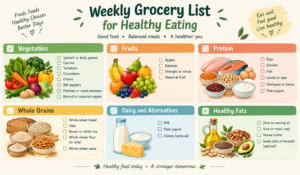
A Weekly Grocery List for Healthy Eating should include vegetables, fruits, protein sources, whole grains, dairy or fortified alternatives, and healthy fats. These food groups help provide the nutrients your body needs while giving you enough variety to prepare satisfying meals throughout the week. For most people, choosing a mixture of fresh, frozen, canned, and pantry foods is a convenient way to maintain a balanced diet without overspending.
Your exact shopping list will depend on your household size, appetite, and meal schedule. However, starting with a few reliable ingredients in each food group makes grocery shopping easier and helps you avoid buying too much food.
1. Fresh Vegetables for Everyday Meals
Vegetables are an essential part of a healthy grocery list because they provide fiber, vitamins, minerals, and a variety of beneficial plant compounds. Buying vegetables that you already enjoy makes it easier to include them in lunch and dinner without changing your entire eating routine. Spinach, carrots, tomatoes, cucumbers, onions, cabbage, broccoli, and bell peppers are useful choices for salads, soups, curries, and stir-fries.
You don’t have to buy every vegetable available at the store. Choose four to six varieties based on your planned meals, local prices, and what your family normally eats. If fresh produce is expensive, frozen vegetables can be a practical alternative that helps you prepare nutritious meals with less chopping and preparation.
2. Fruits for Breakfast and Healthy Snacks
Fruit adds natural sweetness, fiber, water, and important nutrients to your daily diet. Apples, bananas, oranges, pears, guavas, and seasonal fruits are good options for a weekly shopping list. You can eat them between meals, add them to oatmeal, mix them with plain yogurt, or enjoy them after lunch.
Choose fruits that fit your budget instead of feeling pressured to purchase expensive berries or imported produce. Bananas are useful for quick breakfasts, apples travel well as snacks, and seasonal fruits often offer better value. Buying a few different varieties also keeps your meals interesting throughout the week.
3. Protein-Rich Foods to Keep You Satisfied
Protein helps maintain muscles and supports many essential functions in the body. Including protein-rich foods in your meals can also make them more satisfying. Eggs, chicken, fish, lentils, chickpeas, beans, tofu, and plain yogurt are practical choices for a weekly grocery list.
You don’t need to rely on meat for every meal. Daal, beans, and chickpeas can provide affordable protein and fiber, while eggs work well for breakfast, sandwiches, or quick dinners. If you eat chicken or fish, buying portions for several meals and freezing what you won’t use immediately can help control both food waste and grocery costs.
4. Whole Grains and Healthy Carbohydrates
Carbohydrates provide energy for everyday activities, studying, working, and exercise. Healthy grocery shopping doesn’t mean removing carbohydrates from your diet. Instead, choose a mixture of whole grains and other staple foods that fit your needs. Oats, whole-wheat bread, brown rice, whole-wheat pasta, and whole-wheat flour are useful options because whole grains generally provide more fiber than their refined counterparts.
White rice, regular pasta, potatoes, and traditional roti can also fit into a balanced diet. The goal is to build meals with a sensible combination of carbohydrates, protein, vegetables, and fats rather than treating any single food as automatically unhealthy. Buying versatile staples makes it easier to prepare different meals from the same ingredients.
5. Dairy Products and Fortified Alternatives
Milk, plain yogurt, and cheese can help provide protein and calcium, along with other nutrients depending on the product. For a weekly grocery list, milk can be used in oatmeal and drinks, while yogurt works as a snack, breakfast ingredient, or side dish with lunch and dinner. Cheese can add flavor to sandwiches, wraps, and homemade meals.
If you don’t consume dairy, choose suitable fortified alternatives, such as calcium-fortified soy milk. Check product labels because the protein and nutrient content of plant-based drinks varies considerably. Plain or lightly sweetened products are often practical everyday choices when you want to limit added sugar.
6. Healthy Fats for a Balanced Diet
Healthy fats help the body absorb certain vitamins and support normal cell function. Olive oil, nuts, seeds, peanuts, and peanut butter can all be included in a balanced grocery list. These foods are useful for preparing meals, adding texture to breakfast, or making a simple snack more satisfying.
You don’t need to buy every type of oil, nut, and seed. Pick one cooking oil and one or two affordable options, such as peanuts and peanut butter. Since fats are energy-dense, moderate portions are usually enough to add flavor and nutrition without making your grocery budget stretch unnecessarily.
Complete Weekly Grocery List for Healthy Eating
A useful grocery list should be detailed enough to guide your shopping but simple enough to follow. The following example is designed for one adult for approximately seven days, although quantities may need adjusting based on appetite, activity level, household size, and the meals you plan to prepare.
| Food category | Suggested weekly quantity |
|---|---|
| Vegetables | 2–3 kg mixed vegetables |
| Fruits | 1.5–2.5 kg mixed fruit |
| Eggs | 10–12 |
| Chicken | 500 g–1 kg |
| Fish | 300–500 g |
| Lentils or daal | 400–500 g dried |
| Chickpeas or beans | 300–500 g dried or 2 cans |
| Milk | 1–2 litres |
| Plain yogurt | 500 g–1 kg |
| Oats | 400–500 g |
| Rice | 500 g–1 kg |
| Whole-wheat bread or flour | 1 loaf or an appropriate amount of flour |
| Nuts or peanuts | 150–200 g |
| Cooking oil | Check your existing supply |
These are starting quantities rather than strict nutritional requirements. If you eat mostly plant-based meals, you may need more beans, lentils, tofu, or other protein sources. If you’re shopping for a family, increase quantities according to how many people eat each meal.
How to Plan Healthy Meals Before Grocery Shopping
Planning meals before you shop helps you buy ingredients with a clear purpose. Start by thinking about your breakfasts, lunches, dinners, and snacks for the coming week. You don’t need to plan every recipe in detail; simply deciding which main ingredients you’ll use can prevent unnecessary purchases and make cooking less stressful.
A practical approach is to choose two or three breakfasts, a few lunch options, and several dinners that share ingredients. For example, chicken can be used in rice bowls and wraps, while lentils can become daal or soup. Vegetables can be divided between salads, cooked dishes, and side servings, allowing you to use the same groceries in different ways.
A Simple Seven-Day Healthy Meal Plan
A weekly meal plan doesn’t need to be complicated to work. On Monday, you might eat oats and fruit for breakfast, chicken with rice for lunch, and vegetable daal with roti for dinner. Tuesday could include eggs and toast, chickpea salad, and chicken curry. Wednesday might feature yogurt and fruit, leftover curry, and fish with potatoes and vegetables.
For Thursday, try oatmeal, a chicken wrap, and lentil soup. On Friday, eggs can make a quick breakfast, while rice and beans provide an easy lunch and homemade vegetable pasta works for dinner. Saturday could include yogurt with fruit, leftover pasta, and chicken with roasted vegetables. On Sunday, use remaining produce in an omelet, prepare a simple daal meal, and cook a rice bowl with whatever vegetables and protein you have left.
Treat this as a flexible example, not a strict diet. Swap meals around, adjust portions to your appetite, and include familiar foods you enjoy. Using leftovers safely can also reduce cooking time and food waste.
How to Make Your Grocery Budget Go Further
Healthy eating can be affordable when you focus on everyday ingredients instead of expensive health products. Dried lentils, beans, oats, rice, eggs, seasonal produce, and frozen vegetables often provide good value. Before shopping, check your cupboards and refrigerator so you don’t purchase ingredients you already have.
Another useful habit is to compare the price per kilogram or per serving rather than judging products by package price alone. A large bag of rice may cost more initially but provide many meals. Similarly, buying whole vegetables and preparing them yourself may be cheaper than purchasing pre-cut alternatives.
Buy Seasonal and Locally Available Foods
Seasonal produce can help lower grocery costs while adding variety to your meals. Depending on availability, options such as bananas, guavas, citrus fruits, spinach, cabbage, carrots, and other local vegetables may be more affordable than imported products. Frozen produce is also worth considering when fresh alternatives are costly or spoil quickly.
Prepare Ingredients in Advance
Cooking some ingredients ahead of time makes it easier to eat well on busy days. You might boil eggs, wash vegetables, cook a batch of lentils, or divide raw chicken into meal-sized portions. Refrigerate cooked food promptly in suitable containers and freeze portions you won’t eat within a few days.
Avoid Buying Food Without a Plan
Buying healthy foods doesn’t help much if they remain unused in the refrigerator. Before adding something to your cart, think about at least one meal in which you’ll use it. If you know that fresh spinach spoils quickly in your kitchen, buy a smaller amount or choose frozen spinach instead.
Healthy Grocery Shopping Tips for Beginners
If you’re new to healthy eating, don’t try to change every meal at once. Start with a few manageable improvements, such as adding fruit to breakfast, including vegetables at lunch and dinner, or replacing some refined grains with whole-grain options. Small changes are easier to maintain than a strict meal plan that requires unfamiliar ingredients.
It also helps to shop with flexibility. If the vegetables on your list are expensive, choose another affordable variety. If chicken prices rise, use eggs, beans, or lentils in more meals that week. A healthy grocery list is a guide, not a rulebook, and it should adapt to your circumstances.
Common Grocery Shopping Mistakes to Avoid
One common mistake is buying too much fresh food at once. Even nutritious ingredients can become expensive waste when they spoil before you use them. Another is filling the cart with specialty snacks, sweetened drinks, and packaged products simply because their labels use words such as “natural” or “healthy.” Reading the ingredient list and nutrition label gives you a better idea of what you’re buying.
It’s also easy to underestimate the importance of variety. Eating the same two or three foods every day may feel convenient, but rotating vegetables, fruits, protein sources, and grains helps make meals more enjoyable and supports a varied nutrient intake. Finally, avoid assuming that healthy eating requires eliminating all treats or favorite foods. A balanced approach leaves room for enjoyment while keeping nutritious everyday choices at the center of your diet.
How to Store Groceries and Keep Food Fresh
Good food storage helps your weekly shopping last longer. Keep perishable foods refrigerated, store dry staples in sealed containers, and separate raw meat from ready-to-eat foods to reduce the risk of cross-contamination. Follow package instructions and use food safety guidance when deciding how long to keep leftovers.
Store bananas and other fruits according to their ripeness and type, and keep leafy greens dry until you’re ready to use them. Some fruits release ethylene gas, which can speed up ripening in nearby produce, so separating certain fruits from sensitive vegetables can help. Freezing extra bread, meat, or cooked meals is another useful way to extend their storage life.
Conclusion
A weekly grocery list for healthy eating should make life easier, not add another complicated task to your routine. By focusing on vegetables, fruit, protein-rich foods, grains, dairy or suitable alternatives, and healthy fats, you can prepare satisfying meals without relying on expensive ingredients.
Start with foods you already enjoy, buy quantities you can realistically use, and plan a few simple meals before visiting the store. Once these habits become part of your routine, grocery shopping gets easier, food waste can decrease, and healthy eating becomes a more practical part of everyday life.
Frequently Asked Questions
1. What is the healthiest grocery list for one week?
A balanced weekly grocery list includes a variety of vegetables and fruits, eggs, chicken or fish, beans or lentils, whole grains, milk or fortified alternatives, plain yogurt, nuts, and cooking oil. The exact quantities depend on your appetite, dietary needs, and budget.
2. How much should I spend on healthy groceries for one week?
The cost depends on your location, household size, food preferences, and local prices. Choosing seasonal produce, eggs, lentils, rice, oats, and other versatile staples can help keep costs manageable. Check local prices and plan your meals before setting a weekly budget.
3. What are the cheapest healthy foods to buy?
Affordable options often include dried lentils, beans, chickpeas, eggs, oats, rice, potatoes, seasonal vegetables, bananas, and plain yogurt. Local prices vary, so compare the cost of different protein sources and produce before shopping.
4. How can I eat healthy for a whole week?
Plan several simple meals, purchase ingredients that can be reused in different recipes, and include vegetables, protein, and carbohydrate sources in your main meals. Preparing some ingredients ahead of time and using leftovers safely can make healthy eating easier during a busy week.
5. Should I buy fresh or frozen vegetables?
Both can be nutritious choices. Fresh vegetables work well when you can use them before they spoil, while frozen vegetables offer convenience and can reduce waste. Choose plain frozen options when possible, particularly if you want to control added salt or sauces.
Read also: Fresh Vegetables and Fruits at Supermarket A Complete Guide
Pingback: 25 Easy Ideas Nut Free Snacks for School