Fresh Vegetables and Fruits at Supermarket A Complete Guide
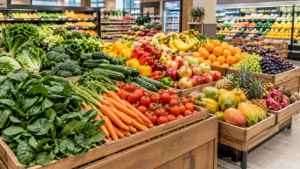
Fresh vegetables and fruits at supermarket stores make it easier to bring healthy, colorful, and nutritious foods into your daily meals. From crisp carrots and leafy spinach to juicy oranges and sweet apples, the produce section offers plenty of choices for families, students, and anyone looking to eat better. However, knowing what to buy, how to recognize freshness, and how to store your groceries can make a real difference in your shopping experience.
Whether you are planning your weekly grocery shopping or looking for affordable ingredients for everyday cooking, understanding supermarket produce helps you make better decisions. You can save money, reduce food waste, and choose fruits and vegetables that suit your taste, budget, and cooking needs.
What Are Fresh Vegetables and Fruits at Supermarket Stores?
Fresh vegetables and fruits at supermarket stores are whole or minimally processed plant foods sold for eating, cooking, juicing, and preparing different meals. They usually include seasonal produce, leafy greens, root vegetables, citrus fruits, berries, and tropical fruits. Most supermarkets arrange these products in a dedicated produce section where shoppers can select individual items, purchase them by weight, or choose prepacked options.
Fresh produce is popular because it offers variety, natural flavor, and important nutrients. For example, spinach provides folate and vitamin K, oranges contain vitamin C, and carrots supply beta-carotene, which the body can convert into vitamin A. The exact nutritional value varies by food, variety, and preparation method, but including different fruits and vegetables in your meals is a practical way to support a balanced diet.
Types of Fresh Vegetables Available at Supermarkets
The vegetable section is often one of the busiest areas of a supermarket because vegetables are used in everything from quick salads to traditional home-cooked meals. You may find familiar everyday ingredients alongside seasonal varieties, making it easy to choose produce for different recipes and preferences.
Leafy Green Vegetables
Leafy green vegetables include spinach, lettuce, cabbage, kale, and other greens. They are useful for salads, sandwiches, soups, stir-fries, and cooked dishes. When shopping, look for leaves that have a healthy color and a reasonably crisp texture. Avoid bunches with extensive yellowing, slimy patches, or visible mold, as these may indicate deterioration.
Root Vegetables
Root vegetables such as carrots, potatoes, radishes, turnips, and beetroot are common supermarket staples. They work well in soups, curries, roasted dishes, and side meals. Choose firm vegetables without extensive cuts, wet damaged areas, or soft spots. Potatoes should generally be firm and free from green discoloration or widespread sprouting.
Fresh Everyday Cooking Vegetables
Tomatoes, onions, cucumbers, eggplant, bell peppers, zucchini, and green chilies are common choices for everyday cooking. They can be used in salads, sandwiches, sauces, curries, and many other recipes. Select tomatoes according to when you plan to use them, choosing firmer ones for later in the week and ripe ones for immediate cooking or eating.
Seasonal Vegetables
Seasonal vegetables change throughout the year depending on the region, weather, and local growing conditions. Depending on availability, supermarkets may stock fresh okra, peas, green beans, pumpkins, cauliflower, broccoli, and other varieties. Buying vegetables that are in season can sometimes help you find better prices and flavor, although the benefits depend on local supply and transportation costs.
Types of Fresh Fruits Available at Supermarkets
The fruit section offers options for breakfast, snacks, desserts, lunchboxes, and refreshing drinks. Some fruits are available throughout much of the year, while others become easier to find or more affordable during particular seasons. Choosing a mixture of fruit types also adds variety to your meals.
Everyday Fruits
Apples, bananas, oranges, pears, and grapes are familiar choices for many households. They are convenient for quick snacks, breakfast bowls, and lunchboxes. When selecting apples, look for firm fruit without extensive bruising. Bananas can be purchased at different stages of ripeness depending on whether you plan to eat them immediately or over several days.
Tropical Fruits
Mangoes, papayas, guavas, pineapples, and watermelons are popular tropical fruits in many markets. Their availability and price can change considerably with the season. A ripe mango may have a pleasant aroma and yield slightly to gentle pressure, while a papaya often develops yellow skin as it ripens. Because ripeness varies by fruit, it helps to learn the signs associated with each variety.
Citrus Fruits
Oranges, lemons, limes, and mandarins are widely used for snacks, cooking, drinks, and dressings. Choose fruits that feel reasonably heavy for their size and have skin that is free from significant soft, moldy, or damaged areas. Citrus fruits are also useful kitchen ingredients because their juice and zest can add flavor to meals without requiring complicated preparation.
Berries and Other Specialty Fruits
Strawberries, blueberries, raspberries, and similar fruits may be sold fresh in containers. Since berries are delicate, inspect the packaging for crushed fruit, excessive moisture, or mold. Specialty fruits can add variety to your diet, but they may cost more than locally grown seasonal alternatives. Choose them when they fit your budget and the meals you plan to prepare.
How to Choose Fresh Vegetables and Fruits at Supermarket Stores
Choosing good-quality produce does not require special equipment or expert knowledge. A few simple checks can help you avoid damaged items and select fruits and vegetables that are suitable for your planned meals. Keep in mind that different varieties naturally have different colors, textures, and shapes, so freshness should not be judged by appearance alone.
Check the Appearance and Texture
Start by examining the produce for obvious damage, mold, deep bruises, or leaking liquid. Vegetables such as carrots and cucumbers should generally feel firm, while leafy greens should not be extensively wilted or slimy. Some fruits are naturally soft when ripe, so learn what is normal for the particular variety instead of rejecting every item that gives slightly under pressure.
Consider the Smell
Smell can provide useful clues about ripeness and spoilage. Ripe mangoes, melons, and some other fruits may have a pleasant natural aroma, while produce with a sour, fermented, or rotten smell should be avoided. Not every fresh fruit has a strong scent, so a lack of aroma does not automatically mean that it is poor quality.
Look for Signs of Damage
Small cosmetic marks do not always mean a fruit or vegetable is unsafe or unsuitable. However, extensive bruising, spreading mold, slimy surfaces, and leaking juices can indicate deterioration. Check the bottom and sides of packaged produce as well as the items visible at the top, because damaged pieces may be hidden underneath.
Buy According to Your Needs
Think about when you will use your groceries before placing them in your basket. If you need bananas for the next few days, choose a mixture of ripeness levels. If you are preparing a salad tonight, select vegetables that are ready to eat. Buying only what you can reasonably use helps reduce waste and keeps your grocery spending under control.
Benefits of Buying Fresh Fruits and Vegetables
Fresh produce can make everyday meals more colorful, flavorful, and nutritious. Different fruits and vegetables supply different combinations of fiber, vitamins, minerals, and plant compounds, which is why variety matters more than relying on just one or two favorites. Including produce in meals can also help create satisfying dishes without making every recipe complicated or expensive.
Supports a Balanced Diet
Vegetables and fruits contribute important nutrients that the body needs for normal functioning. Leafy greens, citrus fruits, berries, carrots, and other produce provide different nutritional benefits. Eating a variety of colors and types throughout the week is a practical way to include a broader range of nutrients as part of an overall balanced eating pattern.
Adds Fiber to Everyday Meals
Many fruits and vegetables contain dietary fiber, which supports digestive health and can help meals feel more satisfying. Apples, pears, berries, carrots, peas, and broccoli are examples of fiber-containing produce. Eating the whole fruit or vegetable generally provides more fiber than drinking its strained juice, so whole produce is often a useful everyday choice.
Makes Healthy Meals More Interesting
Fresh ingredients can transform simple meals into more appealing dishes. Adding sliced tomatoes and cucumbers to a sandwich, mixing spinach into an omelet, or serving orange segments with breakfast brings different flavors and textures to the table. Small changes like these make it easier to include produce regularly without completely changing your cooking habits.
Offers Variety for Different Budgets
Not every fruit or vegetable needs to be expensive to be useful. Potatoes, carrots, cabbage, bananas, seasonal citrus fruits, and locally available greens can be economical options in many areas. Comparing prices by weight and choosing seasonal alternatives can help you build a varied grocery basket without spending too much.
How to Store Fresh Vegetables and Fruits Properly
Buying quality produce is only part of the process. Storage also affects how long fruits and vegetables remain appealing. Some items need refrigeration, while others develop better flavor or ripen more naturally at room temperature. Following basic storage practices can help preserve quality and reduce the amount of food that ends up in the bin.
Store Suitable Produce in the Refrigerator
Leafy greens, broccoli, carrots, berries, and many other vegetables generally keep better in the refrigerator. Use clean storage containers or suitable produce bags, and avoid trapping excessive moisture around delicate items. Refrigerate cut or peeled produce promptly, and follow food-safety guidance for items that need temperature control.
Keep Certain Fruits at Room Temperature Until Ripe
Bananas, mangoes, avocados, and some other fruits can ripen at room temperature. Once they reach the ripeness you prefer, refrigeration may help slow further deterioration for varieties that tolerate it. Storage needs differ by fruit, so avoid assuming that every item should immediately go into the refrigerator.
Separate Ethylene-Producing Fruits When Necessary
Some fruits, including apples and ripe bananas, release ethylene gas, which can speed up ripening in sensitive produce. Keeping them apart from vegetables and fruits that you want to last longer may help extend their usable life. This is particularly useful when storing a mixed grocery basket for several days.
Avoid Washing Everything Too Early
Washing produce just before use is often a practical approach, especially for berries and leafy greens that can deteriorate more quickly when stored wet. Remove visibly damaged pieces and keep storage areas clean. Before eating, wash fresh fruits and vegetables under clean running water, even when you intend to peel them, and avoid using soap or household detergents.
Fresh Vegetables and Fruits at Supermarket Stores in Pakistan
Supermarkets in Pakistan offer a mix of locally grown produce, seasonal fruits, and imported options. The exact selection varies by city, store size, season, and supplier, but everyday shopping baskets often include tomatoes, onions, potatoes, spinach, okra, carrots, bananas, apples, guavas, and citrus fruits. In Karachi, shoppers may also find a broad selection of tropical and seasonal produce depending on the time of year.
For shoppers who want to control costs, local markets and supermarket produce sections are both worth comparing. Supermarkets may offer convenient packaging, organized displays, and price labels, while traditional markets may provide more flexibility when buying certain items by weight. Neither option is automatically cheaper, so comparing the actual price and quality is the most reliable approach.
Seasonal shopping can be especially helpful. When mangoes are widely available, they may be more affordable than during the off-season. Similarly, prices for oranges, guavas, melons, and vegetables can change with harvests and supply conditions. Checking weekly offers and buying produce that is currently abundant can help households make better use of their grocery budget.
Tips for Saving Money on Fresh Produce
You do not need to buy every fruit and vegetable in the store to eat well. The most useful strategy is to choose a manageable variety that matches your meals, storage space, and budget. Planning before shopping reduces impulse purchases and makes it easier to use what you already have.
Make a Simple Shopping Plan
Before visiting the supermarket, check your refrigerator and kitchen shelves. Write down the vegetables needed for your planned meals and the fruits you expect to eat as snacks. For example, a household might buy tomatoes, onions, potatoes, spinach, bananas, and oranges for a few days, then add other items depending on its recipes and preferences.
Compare Prices by Weight
Packaging can make two similar products look different in value. Whenever possible, compare the price per kilogram or another consistent unit rather than looking only at the total package price. This makes it easier to judge whether loose produce, a larger pack, or a smaller container offers better value.
Choose Seasonal Alternatives
If one fruit is expensive, consider another fruit that provides a similar role in your meals. Apples may be a convenient snack, but bananas or seasonal guavas could be more affordable alternatives in some markets. The best choice depends on current prices, quality, personal taste, and how quickly you can use the produce.
Buy the Right Quantity
Large packs can appear economical, but they are not a good deal if half the food spoils before you use it. Purchase delicate items such as berries and leafy greens in quantities that suit your household. For longer-lasting staples, buy an amount that fits your storage space and expected consumption.
Common Mistakes to Avoid When Shopping for Fresh Produce
One common mistake is choosing fruit based only on its color. Some varieties naturally remain green when ripe, while others change color gradually. Another mistake is squeezing every item too firmly, which can damage delicate fruits and vegetables for other shoppers. Handle produce gently and use several signs of freshness rather than relying on one visual clue.
It is also easy to buy too much because the produce section looks appealing. However, a refrigerator full of vegetables does not automatically lead to healthier meals if those ingredients are forgotten. Plan a few simple recipes, rotate older produce to the front, and use delicate ingredients first. Finally, do not assume that expensive or imported produce is always fresher or more nutritious than affordable local alternatives.
Conclusion
Including produce in your routine can be simple when you connect it to meals you already enjoy. Add a banana or apple to breakfast, include cucumber and tomatoes with lunch, and prepare a vegetable-based side dish for dinner. Frozen vegetables can also be useful when fresh options are unavailable, expensive, or difficult to store, so there is no need to depend exclusively on fresh produce.
For snacks, keep washed and properly stored fruit ready to eat. For cooking, prepare vegetables in ways that suit your schedule, such as chopping ingredients just before use or planning a few meals around the same vegetables. If you enjoy smoothies, whole fruit can be blended with other ingredients, but remember that eating whole produce also encourages chewing and may make it easier to recognize satisfying portions.
Frequently Asked Questions
1. What are fresh vegetables and fruits at supermarket stores?
They are whole or minimally processed fruits and vegetables sold in the supermarket’s produce section. Common examples include apples, bananas, oranges, tomatoes, carrots, potatoes, spinach, cucumbers, and seasonal varieties.
2. Which fresh vegetables should I buy from a supermarket?
Useful everyday choices include tomatoes, onions, carrots, potatoes, spinach, cucumbers, cabbage, and bell peppers. Select items according to your planned meals, current prices, available storage, and the number of people in your household.
3. Which fruits are best to buy at a supermarket?
Apples, bananas, oranges, guavas, pears, and seasonal fruits are practical options for many shoppers. The best choices depend on personal preferences, dietary needs, budget, and local availability.
4. How can I tell if supermarket fruits and vegetables are fresh?
Look for produce with a condition and texture appropriate to its variety. Avoid items with visible mold, extensive bruising, slimy surfaces, leaking juices, or rotten odors. Firmness, color, and smell should be considered together because different produce naturally ripens in different ways.
5. Are fresh fruits and vegetables healthier than frozen ones?
Both fresh and frozen fruits and vegetables can be nutritious. Frozen produce is often processed soon after harvest, which can help preserve nutrients. Fresh produce is an excellent choice when it is good quality and stored properly, while frozen options are useful for convenience, reducing waste, and enjoying foods outside their usual season.
Pingback: Weekly Grocery List for Healthy Eating on a Budget