Seasonal Fruits and Vegetables to Buy at the Grocery Store
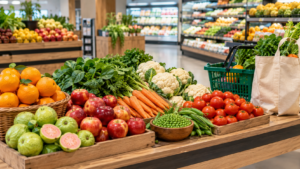
Seasonal fruits and vegetables to buy at the grocery store are produce items harvested during their natural growing seasons in a particular region. They are often fresher, easier to find, and more affordable when local supplies are plentiful. Choosing seasonal produce can also help you add variety to your meals without stretching your grocery budget.
Whether you shop for a family, prepare meals for the week, or simply want to eat more fresh food, understanding seasonal produce can help you make smarter choices. Here is how to choose fruits and vegetables by season, recognize good-quality produce, and build a practical grocery list.
Why Buy Seasonal Fruits and Vegetables at the Grocery Store?
Buying seasonal produce is a simple way to make grocery shopping more practical. When a fruit or vegetable is being harvested in your area, stores may have a larger supply, which can mean better prices and more options. For example, buying oranges during the local citrus season may cost less than purchasing them when supplies are limited. Prices still depend on weather, transportation, demand, and where the produce was grown.
Freshness is another reason to shop seasonally. Locally grown produce may spend less time in transportation and storage, although this depends on the supplier and handling process. Seasonal shopping also encourages variety. Instead of buying the same vegetables every week, you might enjoy leafy greens in cooler months, refreshing melons in warmer weather, and different fruits as the year changes.
Seasonal Fruits to Buy at the Grocery Store
The best fruit to buy depends on your location, the time of year, and the quality available at your local store. Some fruits are available for much of the year because they are imported or stored after harvest, while others have a shorter season. Check what is plentiful, compare prices, and choose fruit that suits your meals rather than buying something simply because it is on sale.
Apples and Pears

Apples and pears are useful grocery staples because they work as snacks, breakfast ingredients, and additions to salads. In many regions, apples are especially plentiful in autumn, while pear availability varies by variety and growing location. Look for fruit that feels firm and has smooth skin without large bruises or soft, damaged areas. You can enjoy sliced apples with oatmeal, pack a pear for work or school, or add chopped fruit to a simple salad.
Oranges, Kinnow, and Other Citrus Fruits

Citrus fruits are worth checking during the cooler months in many growing regions. In Pakistan, locally grown kinnow and other citrus fruits are commonly associated with the winter season, although exact availability changes each year. Choose oranges and mandarins that feel heavy for their size and have reasonably firm, unbroken skin. Citrus fruits are easy to keep on hand for snacks, fresh fruit bowls, and homemade dressings. They also provide vitamin C, which supports normal immune function.
Guava

Guava is a flavorful fruit that can be an excellent seasonal purchase in Pakistan and other warm-climate regions. Depending on the local harvest, it may become more plentiful and affordable during cooler months. Choose guavas with intact skin and a pleasant, fresh smell. Slightly soft fruit may be ripe and ready to eat, while very mushy or damaged fruit should be avoided. Guava is delicious on its own, sliced into a fruit bowl, or served with breakfast.
Bananas

Bananas are a convenient option for households that need affordable, ready-to-eat fruit. In many places, they are available throughout the year, so they are not always a strictly seasonal purchase. Choose bananas based on when you plan to eat them. Yellow bananas are ready for immediate use, while greener ones give you more time. They can be added to cereal, blended into smoothies, or mashed into homemade pancakes.
Mangoes

Mangoes are a favorite seasonal fruit in Pakistan and several other warm-climate countries. Their main local season generally falls in the warmer months, though timing differs by variety and growing area. When mangoes are in season, compare their aroma, firmness, and price before buying. A ripe mango often has a noticeable fruity smell near the stem and gives slightly when pressed gently. Avoid fruit with extensive bruising or leaking juice. Fresh mango can be eaten as a snack, blended into a smoothie, or served with yogurt.
Watermelon and Melons

Watermelon and other melons are popular choices during warm weather because they are refreshing and contain plenty of water. Availability depends on local growing conditions, but they often become easier to find when temperatures rise. For a whole watermelon, look for a firm surface and a creamy yellow field spot when present. Pre-cut melon should be refrigerated and kept properly chilled. These fruits are suitable for breakfast, afternoon snacks, fruit salads, and family gatherings.
Strawberries and Other Berries

Strawberries and other berries can be a lovely addition to your grocery basket when they are in season locally. In many regions, strawberries are more plentiful during cooler periods, but the season varies by climate and growing method. Choose berries that look fresh, retain their shape, and show no signs of mold or leaking juice. Because berries spoil quickly, buy an amount you can use within a few days. Add them to yogurt, oatmeal, desserts, or a simple fruit salad.
Seasonal Vegetables to Buy at the Grocery Store
Vegetables are often the most versatile part of a weekly grocery shop. The right selection can help you prepare soups, curries, stir-fries, roasted dishes, and quick side meals without buying expensive ingredients. Focus on vegetables that are abundant locally, look fresh, and fit the dishes your household enjoys. You do not need to purchase every seasonal vegetable; a small mix of familiar favorites and one or two new choices is enough.
Spinach and Other Leafy Greens

Spinach and other leafy greens are often especially appealing during cooler growing seasons in many regions. Look for crisp leaves with a natural green color and minimal yellowing, sliminess, or wilting. Leafy vegetables can be used in omelets, soups, lentil dishes, curries, and salads when suitable. Wash them thoroughly under clean running water before preparing them, and store them according to the type of greens and your refrigerator conditions.
Carrots

Carrots are a useful choice for everyday cooking because they can be eaten raw or cooked in several ways. They are commonly associated with cooler-season harvests in many growing regions, including parts of South Asia. Choose firm carrots without extensive cracks, soft spots, or signs of decay. They work well in soups, rice dishes, salads, vegetable curries, and lunchboxes. If you buy carrots regularly, purchasing a larger bag when prices are favorable can be practical, provided you have enough storage space.
Peas

Fresh peas are worth looking for during their local growing season, which often falls in cooler weather. The pods should look reasonably full and feel fresh rather than dry or brittle. Peas bring a mild sweetness to rice, pasta, soups, and mixed vegetable dishes. If fresh peas are expensive or difficult to find, frozen peas are a convenient alternative because they can be stored for longer and used in small portions whenever needed.
Cauliflower and Cabbage

Cauliflower and cabbage are useful vegetables to buy when local supplies are plentiful, particularly in cooler growing periods in many areas. Choose cauliflower with compact florets and minimal discoloration, and select cabbage heads that feel firm for their size. Both vegetables can stretch a family meal without requiring complicated preparation. Roast cauliflower, cook it with spices, add cabbage to soups, or shred either vegetable into a cooked side dish. Their versatility makes them practical choices for budget-conscious grocery shopping.
Radishes and Turnips

Radishes and turnips are often available during cooler seasons in many regions. They are worth considering when you want to add variety to a grocery list without relying only on familiar vegetables. Choose firm roots without extensive soft spots or damage. Radishes can add crunch to salads, while turnips can be cooked in soups, curries, or roasted vegetable dishes. If you have not cooked with them recently, start with a small quantity to see which preparation your household prefers.
Tomatoes

Tomatoes are a common grocery staple, but their price and quality can change throughout the year. They may be more affordable when local harvests are strong. Choose tomatoes that feel firm but not rock-hard, with smooth skin and no leaking or mold. Use ripe tomatoes in salads, sandwiches, sauces, soups, and everyday curries. If prices are high, compare alternatives such as canned tomatoes where available, especially for recipes that require them to be cooked.
Pumpkin and Other Squash

Pumpkin and other squash varieties can be good seasonal purchases when local supplies are abundant. Their thick skins and versatility make them useful for soups, curries, roasted dishes, and family meals. Choose whole pumpkins or squash that feel firm and have no major soft areas or deep damage. If you buy a large one, plan several meals around it so the remaining pieces do not go to waste. Cut squash should be stored in the refrigerator in a clean, covered container.
How to Choose Fresh Seasonal Fruits and Vegetables at the Grocery Store
Choosing good produce does not require expert knowledge. A few simple checks can help you avoid waste and get better value for your money. Look at the appearance, feel the firmness when appropriate, check for bruises or mold, and consider how soon you intend to eat the item. Remember that appearance alone does not guarantee freshness, and naturally shaped or slightly imperfect produce can still be perfectly good to eat.
Check the Color, Texture, and Firmness
Different fruits and vegetables have different signs of ripeness, so avoid applying one rule to everything. Apples and carrots should generally feel firm, while ripe peaches and mangoes may give slightly under gentle pressure. Leafy greens should not be slimy, and berries should not show visible mold. Color can provide clues, but some varieties naturally have different shades. Choose produce that looks appropriate for its type and has been handled and stored properly.
Compare Prices Before Filling Your Cart
Seasonal shopping works best when you compare prices rather than assuming every fresh item is inexpensive. Check the price per kilogram or pound, look for larger bags that offer genuine savings, and consider how much your household will use. A discounted bag of fruit is not a bargain if half of it spoils before anyone eats it. If fresh produce is expensive, frozen vegetables and some canned options can help you prepare nutritious meals while staying within your budget.
Buy According to Your Meal Plan
Before shopping, think about the meals you expect to prepare during the next several days. If you plan to make vegetable curry, you might need tomatoes, carrots, peas, or cauliflower, depending on the recipe. For breakfast, bananas, apples, or seasonal citrus may be more useful. A short meal plan helps you buy the right quantities, reduce impulse purchases, and use delicate produce before it spoils.
How to Save Money on Seasonal Produce
One of the easiest ways to reduce grocery costs is to build your shopping list around what is plentiful rather than choosing the same produce every week. Compare seasonal prices, check weekly store offers, and remain flexible about varieties. If oranges are affordable but berries are expensive, choose oranges for snacks and save berries for another week. Small substitutions like these can make a noticeable difference over time without making meals feel repetitive.
Buying whole produce instead of pre-cut fruit and vegetables may also save money, although it requires more preparation. Choose quantities that suit your household, and consider frozen vegetables when fresh options are expensive or likely to spoil. You can also freeze suitable fruit for smoothies or use extra vegetables in soups and cooked dishes. Always follow safe storage practices, particularly for cut produce.
How to Store Fruits and Vegetables to Keep Them Fresh
Good storage helps you get the most out of your grocery shopping. Many leafy greens, berries, and cut vegetables need refrigeration, while some unripe fruits may ripen better at room temperature before being chilled. Keep produce in clean storage containers or appropriate refrigerator drawers, and remove damaged items before they affect the rest. Avoid washing most produce long before you plan to use it unless you can dry it thoroughly, because excess moisture can encourage spoilage.
Some fruits, including apples and bananas, release ethylene gas as they ripen. This gas can speed up ripening in sensitive nearby produce, so separating certain fruits from leafy greens and other sensitive vegetables may help them last longer. Keep cut fruit and vegetables refrigerated promptly, and follow food-safety guidance for storage times. When in doubt about produce that smells unusual, shows mold, or has become slimy, do not rely on cooking or washing to make it safe.
A Simple Seasonal Grocery List for Families
A useful grocery list should offer variety without becoming too long or expensive. Start with two or three fruits and three or four vegetables that are in season, then add everyday staples based on your meal plan. For example, a winter shopping basket in Pakistan might include kinnow, guava, bananas, carrots, spinach, peas, and cauliflower when these items are available at good prices. During warmer months, you might choose mangoes, watermelon, tomatoes, and locally available squash instead.
The exact quantities depend on household size, eating habits, and how often you cook at home. Buy delicate items in smaller amounts and longer-lasting produce in quantities you can comfortably store. Most importantly, choose foods your family enjoys. A simple grocery list that gets used is more helpful than an ambitious list full of ingredients that end up forgotten in the refrigerator.
Common Mistakes to Avoid When Buying Seasonal Produce
A common mistake is buying too much simply because an item is cheap. Seasonal abundance can create tempting offers, but fresh produce still has a limited shelf life. Another mistake is assuming that the largest or most attractive fruit is automatically the best quality. Size and appearance vary naturally, and flavor depends on the variety, ripeness, and handling.
It is also easy to overlook frozen produce. Fresh seasonal items are excellent when they are affordable and good quality, but frozen vegetables and fruit can be practical alternatives outside the local growing season. Finally, avoid choosing produce without considering how you will use it. A quick look at your refrigerator and a few minutes of meal planning can prevent unnecessary purchases.
Conclusion
Choosing seasonal fruits and vegetables to buy at the grocery store does not have to be complicated. Pay attention to what is plentiful locally, compare prices, select produce that looks fresh, and buy amounts you can use before they spoil. These small habits can help you enjoy more variety, make better use of your grocery budget, and prepare everyday meals with less waste.
You do not need to change your entire shopping routine at once. Start by replacing one or two expensive items with seasonal alternatives and see how they fit into your meals. Over time, you will become more familiar with local harvests, recognize good-value produce, and develop a grocery routine that works for your household.
Frequently Asked Questions
1. What are the best seasonal fruits to buy at the grocery store?
The best choices depend on your location and the time of year. Apples, oranges, kinnow, guava, mangoes, and watermelons are good options when locally available at their seasonal peak.
2. Which vegetables are usually cheaper when they are in season?
Carrots, spinach, peas, cauliflower, cabbage, and radishes may be more affordable during their local harvest seasons. Prices vary depending on weather, supply, and transportation costs.
3. How can I tell if fruits and vegetables are fresh?
Check for appropriate firmness, natural color, and healthy-looking skin or leaves. Avoid produce with mold, extensive bruising, leaking juice, or slimy surfaces.
4. Does buying seasonal produce save money?
It often can. When local supplies are plentiful, prices may fall. Comparing prices and buying only what you can use helps you make the most of seasonal offers.
5. Should I buy fresh or frozen vegetables?
Both can be good choices. Fresh vegetables are useful when they are affordable and in good condition, while frozen vegetables offer convenience, longer storage, and less preparation.
Read also: Essential Spices Every Kitchen Should Have for Daily Cooking
Pingback: Anti-Inflammatory Grocery List Healthy Foods to Buy Every Week