Ready To Drink Protein Shake Products Found in Supermarket
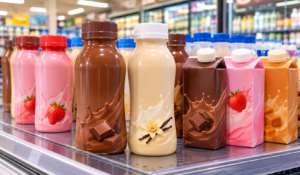
Ready To Drink Protein Shake Products Found in Supermarket are packaged beverages that contain protein and are sold in bottles, cartons, or other sealed containers. They come prepared, so consumers do not need a blender, shaker bottle, or additional ingredients before drinking them. Most products contain protein from sources such as milk, whey, casein, soy, or peas, although the exact ingredients depend on the brand. Some varieties also include carbohydrates, fats, vitamins, minerals, and added flavoring. These beverages are commonly found in the nutrition, health food, refrigerated dairy, or supplement sections of American supermarkets. Their biggest attraction is convenience. Someone heading to work, attending college, traveling, or leaving the gym can carry a bottle without worrying about preparing a separate protein drink.
Popular Ready-to-Drink Protein Shake Products Found in Supermarkets
American supermarkets carry several recognizable protein shake brands, giving shoppers plenty of options to compare. Some products focus on higher protein content, while others provide a combination of protein, vitamins, minerals, and calories. Availability depends on the retailer, location, and individual store, but the following brands are commonly encountered in the US grocery and retail market.
1. Premier Protein Shake
Premier Protein is one of the recognizable names in the ready-to-drink protein beverage category. Its shakes are available in flavors such as chocolate, vanilla, caramel, and strawberries and cream, although the selection varies by retailer. The standard shake provides 30 grams of protein per serving, making it a popular option among people who want a convenient protein beverage without preparing a powdered supplement. The drinks are generally low in sugar compared with many traditional flavored beverages. Shoppers can often find Premier Protein in multipacks at retailers such as Walmart, Target, and warehouse clubs. Its familiar flavors and convenient packaging make it an option worth comparing when browsing supermarket nutrition sections.
2. Fairlife Nutrition Plan
Fairlife Nutrition Plan shakes are another popular choice for shoppers looking for bottled dairy-based protein beverages. These drinks are made using ultra-filtered milk, a process that concentrates certain milk nutrients, including protein. A typical Nutrition Plan shake contains 30 grams of protein and is available in flavors such as chocolate, vanilla, and strawberry. The smooth texture makes it appealing to people who prefer something closer to a traditional milkshake. Fairlife also offers other protein beverages, including Core Power, which should not be confused with the Nutrition Plan range because their nutritional formulations differ. These products are commonly associated with grocery stores, supermarkets, and large retail chains across the United States.
3. Ensure Max Protein
Ensure Max Protein is designed for adults who want a convenient beverage containing protein and selected vitamins and minerals. Each bottle typically provides 30 grams of protein, with flavors including milk chocolate, French vanilla, and other varieties depending on availability. Unlike some fitness-focused protein drinks, Ensure has a longer history in the nutrition beverage category and is also recognized for products intended to support everyday nutritional needs. Ensure Max Protein is often stocked in the nutrition or health beverage section of supermarkets and pharmacies. It can be useful for shoppers who want a ready-made drink, but people with specific nutritional needs should check the complete product label rather than assuming every Ensure beverage has the same ingredients.
4. Orgain Organic Protein Shake
Orgain offers protein beverages for consumers who prefer products made with plant-based ingredients. Its ready-to-drink Organic Protein range uses plant protein sources rather than relying on traditional dairy ingredients. Depending on the product, shoppers may find flavors such as creamy chocolate fudge and vanilla bean. These drinks can appeal to people following vegetarian or dairy-free eating patterns, although checking the ingredient list is still important for anyone managing allergies or food sensitivities. Orgain products are available through various American supermarkets, grocery retailers, and health food stores. The brand also sells protein powders and other nutrition products, so shoppers should look carefully at the packaging to make sure they are purchasing the ready-to-drink version.
5. Muscle Milk Protein Shake
Muscle Milk is a familiar name in the sports nutrition market, particularly among consumers interested in protein beverages for exercise-related routines. Its ready-to-drink products are available in flavors such as chocolate, vanilla, and strawberry, with nutritional values depending on the particular product. Some varieties contain a substantial amount of protein alongside carbohydrates and other nutrients. The brand is often associated with fitness retailers, supermarkets, and large stores that carry sports nutrition products. Muscle Milk can be an option for people who want a convenient protein drink after physical activity, but it is worth comparing its calorie, sugar, fat, and protein content with other brands before making a purchase.
6. OWYN Plant-Based Protein Shake
OWYN, short for Only What You Need, is a brand known for its plant-based protein beverages. Its ready-to-drink shakes are made for shoppers who want an alternative to dairy-based protein products. The brand uses plant protein blends and offers several flavors, including chocolate and vanilla options. Some products are also marketed around specific dietary preferences, such as dairy-free and gluten-free formulations. OWYN can be particularly interesting for consumers who avoid milk-based beverages or prefer plant-derived ingredients. However, people with food allergies should always review the current packaging because formulations and manufacturing information can differ between products.
7. Atkins Protein Shake
Atkins protein shakes are commonly associated with low-carbohydrate eating plans. They are designed for people who want a convenient beverage with protein while paying attention to their carbohydrate and sugar intake. Different varieties provide different amounts of protein, so shoppers should not assume every bottle has the same nutritional profile. Chocolate and vanilla are among the familiar flavor options. Atkins drinks may be stocked in the nutrition aisle of supermarkets, alongside meal replacement beverages and other packaged health products. They are worth comparing for people who follow a lower-carbohydrate eating pattern, although individual dietary needs should always guide the final choice.
8. Slate Milk Protein Shake
Slate Milk offers ready-to-drink dairy-based protein beverages with a focus on familiar milkshake-style flavors. Its products are made using ultra-filtered milk and are often marketed as high-protein, low-sugar alternatives to traditional flavored milk. Depending on the variety, shoppers may encounter chocolate, vanilla, and other flavors. Slate products can be found at selected grocery stores and retail outlets in the United States, although distribution is not as widespread as some larger protein shake brands. They may appeal to people who enjoy the taste of chocolate milk but want a beverage with a different nutritional profile.
Different Types of Protein Shakes Available in Supermarkets
Not all bottled protein shakes are made from the same ingredients. Some use dairy proteins, while others rely on plant-based sources. Understanding these differences can help shoppers choose a beverage that fits their eating habits.
Dairy-Based Protein Shakes
Dairy-based protein shakes commonly contain milk protein, whey protein, casein, or a combination of these ingredients. Brands such as Fairlife, Premier Protein, and Muscle Milk offer products in this general category. Milk proteins provide essential amino acids, which are important for normal body functions and muscle maintenance. These beverages are often available in familiar flavors such as chocolate and vanilla. However, people with milk allergies need to avoid products containing milk ingredients, while individuals with lactose intolerance may need to look for specifically suitable formulations.
Plant-Based Protein Shakes
Plant-based protein shakes are made using ingredients such as pea protein, soy protein, rice protein, or blended plant proteins. Orgain and OWYN are examples of brands offering beverages in this category. They provide an alternative for shoppers who avoid dairy products or follow a plant-based diet. The amount and quality of protein can vary depending on the ingredients used, so comparing nutrition labels is helpful. Some plant-based beverages also contain added fiber, vitamins, minerals, and natural or artificial flavorings.
Meal Replacement Protein Shakes
Meal replacement shakes are different from ordinary protein drinks because they are generally formulated to provide a broader combination of nutrients. Depending on the product, they may contain protein, carbohydrates, fats, vitamins, and minerals. Ensure and certain Atkins products are examples of beverages that shoppers may encounter in this category. They are designed for convenient nutrition rather than simply increasing protein intake. However, a protein shake is not automatically a complete meal replacement. Anyone using these products in place of meals should check the nutritional information and serving recommendations.
What to Check Before Buying a Bottled Protein Shake
Walking through a supermarket protein beverage aisle can be confusing because many bottles use similar packaging and health-related claims. A closer look at the nutrition label can reveal important differences between products.
Protein Content Per Bottle
The first thing to check is how much protein the entire bottle provides. Some drinks contain around 10 to 15 grams, while others offer 20, 25, or 30 grams per serving. The appropriate amount depends on your overall diet, activity level, and nutritional needs. More protein does not automatically make a product better. A smaller drink may be perfectly suitable for someone who already gets enough protein from meals, while another person may prefer a higher-protein option for convenience.
Added Sugar and Total Carbohydrates
Sugar content is another important detail. Some protein beverages contain added sugar to improve flavor, while others use alternative sweeteners or contain very little sugar. Check both the total sugars and added sugars sections of the Nutrition Facts label. Also remember that total carbohydrates include more than sugar. This information is particularly useful for people who monitor their carbohydrate intake or want to compare flavored beverages.
Calories and Serving Size
Protein shakes vary considerably in calorie content. Some are relatively light drinks, while others provide more energy and may be intended as part of a meal replacement or recovery routine. Check whether the nutritional information applies to the entire bottle or a smaller serving. A bottle containing multiple servings can make comparisons misleading if you only look at the numbers listed per serving.
Protein Source and Ingredients
The ingredient list can tell you whether a shake uses whey, milk protein, soy, pea protein, or another source. It also identifies ingredients such as added oils, stabilizers, flavorings, and sweeteners. People with dietary restrictions should pay particular attention to allergen information. A product described as plant-based may still require careful label checking, especially for people with multiple food allergies.
Price and Package Size
Price is another practical factor when comparing supermarket products. Some shakes are sold individually, while others come in multipacks that may offer a lower cost per bottle. Instead of comparing only the total package price, calculate the cost per serving or per bottle. This makes it easier to identify which product offers better value for the amount of protein provided.
Where to Find Protein Shakes in US Supermarkets
Ready-to-drink protein beverages are not always displayed in the same section of every store. In some supermarkets, they are placed beside refrigerated milk and flavored dairy drinks. In others, they are stocked in the health and wellness aisle, near nutritional supplements, energy bars, and meal replacement products. Larger retailers such as Walmart and Target may have dedicated sections for sports nutrition beverages, while grocery chains such as Kroger may display them alongside other packaged nutritional drinks. Warehouse retailers, including Costco and Sam’s Club, may also offer multipacks. If you cannot find a particular brand, checking the store’s website or asking an employee can help you locate the correct aisle.
Are Ready-to-Drink Protein Shakes Good for Everyday Use?
Ready-to-drink protein shakes can be a convenient addition to an everyday eating routine, especially when preparing a snack or carrying food during a busy schedule is difficult. They provide a simple way to consume protein without cooking or mixing ingredients. However, they should generally complement a balanced diet rather than replace every source of protein in your meals. Foods such as eggs, chicken, fish, beans, lentils, yogurt, nuts, and tofu provide protein alongside other nutrients. Whole foods also offer different combinations of fiber, vitamins, minerals, and healthy fats. A bottled shake can be useful when convenience matters, but it does not need to become a daily requirement for everyone.
Who May Find Protein Shakes Convenient?
Protein shakes may be useful for adults with busy work schedules who struggle to prepare snacks between meals. Students may also appreciate having a sealed beverage that can be carried in a backpack, provided it is stored according to the packaging instructions. People who exercise regularly sometimes use protein drinks as a convenient way to include protein after training. Older adults who have difficulty preparing certain meals may also discuss suitable nutritional beverages with a healthcare professional. The important point is that individual needs differ. Someone with a medical condition, food allergy, or specific dietary requirement should seek appropriate professional guidance before relying on packaged nutritional drinks.
How to Store Ready-to-Drink Protein Shakes
Storage instructions depend on the individual product. Some unopened protein shakes are shelf-stable and can be kept at room temperature until opened, while others must remain refrigerated. Always follow the storage information printed on the packaging. After opening a bottle, refrigerate it if directed and consume it within the recommended period. Avoid leaving dairy-based beverages in a hot car or at room temperature for extended periods. It is also sensible to check the expiration or best-before date before purchasing, especially when buying multipacks. Proper storage helps maintain product quality and reduces the risk of consuming spoiled beverages.
Conclusion
Ready-to-drink protein shake products found in supermarket aisles give American shoppers a convenient way to add protein to their daily routines. From Premier Protein and Fairlife to Ensure, Orgain, Muscle Milk, OWYN, Atkins, and Slate, there are plenty of brands offering different flavors, ingredients, and nutritional profiles. The right choice depends on what matters most to the individual shopper, whether that is protein content, dairy-free ingredients, lower sugar, calories, or affordability. Rather than choosing a bottle simply because its packaging makes impressive claims, take a moment to read the Nutrition Facts panel and ingredient list. A little comparison can make supermarket shopping easier and help you find a protein beverage that fits comfortably into your everyday diet.
Frequently Asked Questions
1. What are the most popular ready-to-drink protein shake brands in US supermarkets?
Popular brands include Premier Protein, Fairlife, Ensure, Orgain, Muscle Milk, OWYN, Atkins, and Slate. Availability varies by supermarket and location.
2. Which protein shake contains 30 grams of protein?
Premier Protein, Fairlife Nutrition Plan, and Ensure Max Protein offer popular varieties containing approximately 30 grams of protein per bottle.
3. Are ready-to-drink protein shakes available at Walmart?
Yes. Walmart carries several bottled protein shake brands, including Premier Protein, Fairlife, Ensure, and Muscle Milk, depending on local stock.
4. Are there dairy-free protein shakes in supermarkets?
Yes. Brands such as Orgain and OWYN offer plant-based protein beverages that can be suitable alternatives to dairy-based shakes.
5. Are protein shakes considered meal replacements?
Not all protein shakes are meal replacements. Some mainly provide protein, while specifically formulated meal replacement products contain a broader combination of nutrients.
Read also: Best Herbs and Spices for Adding Flavor to Homemade Meals
Pingback: Dark Chocolate Almond Snack Bars Found in Supermarket