

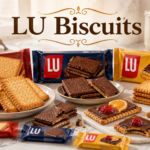




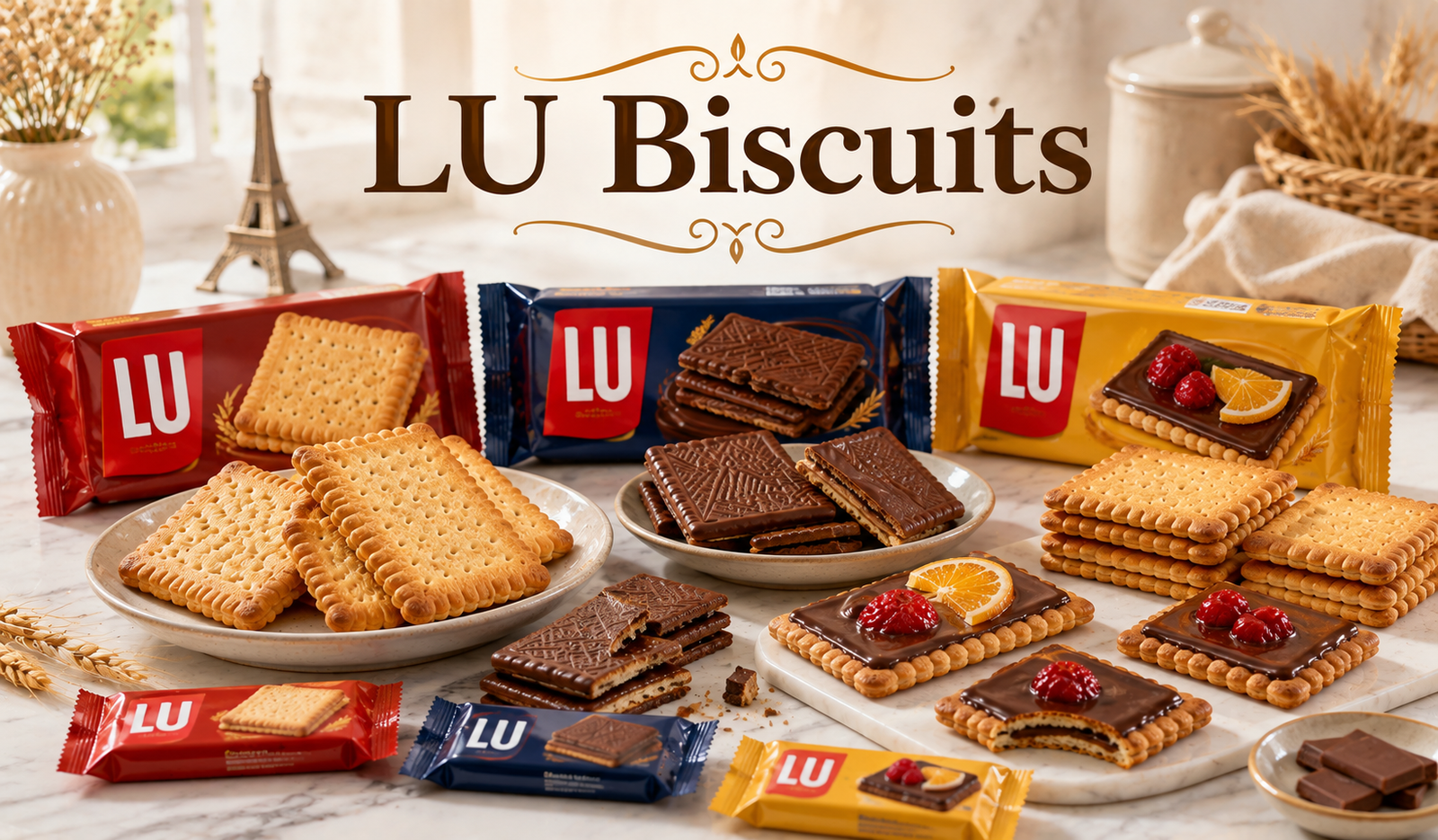
LU biscuits are a range of sweet biscuits produced under the LU brand, a French biscuit company with roots going back to the 19th century. The brand is known for combining traditional biscuit-making ideas with products designed for modern snacking.
The name LU is closely connected with the Lefèvre-Utile family, whose biscuit business began in Nantes, France. Over time, the company developed into one of the country’s most recognizable biscuit names and expanded its products into international markets.
Today, LU is associated with a variety of biscuits rather than one single product. Depending on the country, shoppers may find different LU products, flavors, packaging, and product sizes.
The History Behind LU Biscuits
The story of LU biscuits begins in Nantes in 1846, when Jean-Romain Lefèvre and Pauline-Isabelle Utile became involved in biscuit production. Their family business eventually adopted the name Lefèvre-Utile, which was shortened to LU.
During the late 19th century, the company developed a reputation for attractive packaging and carefully presented biscuits. This helped turn an ordinary food product into something that could also feel special and gift-worthy.
One of the most important products in the company’s history was the Petit-Beurre biscuit. Its distinctive shape and simple design helped it become closely associated with the LU name and French biscuit culture.
As the decades passed, LU continued expanding its product range and became a major name in the European biscuit market. Its products eventually reached consumers far beyond France.
Why Are LU Biscuits So Popular?
One reason LU biscuits remain popular is familiarity. Many people first encounter them as children and continue buying them years later. That sense of nostalgia can be just as powerful as the taste itself.
The brand also offers variety. Someone looking for a basic tea biscuit can choose a traditional product, while someone with a stronger sweet tooth can look for chocolate, cream, or fruit flavors.
Packaging and brand recognition also play a role. LU products are generally easy to identify on supermarket shelves, which makes them a familiar choice for shoppers who already know what they like.
LU Petit-Beurre: The Classic Choice
LU Petit-Beurre is arguably the biscuit most strongly associated with the brand. It is a rectangular butter biscuit with a distinctive decorative edge and patterned surface.
Its appeal comes from simplicity. Instead of relying on a thick filling or heavy chocolate coating, Petit-Beurre focuses on a crisp texture and buttery biscuit flavor.
The biscuit is often enjoyed with tea, coffee, milk, or another warm drink. It can also be used in desserts, where crushed biscuits provide a useful base or crunchy layer.
What Does LU Petit-Beurre Taste Like?
LU Petit-Beurre has a mild, buttery sweetness with a crisp texture. It is not designed to be an intensely flavored biscuit, which is part of its charm.
The relatively simple flavor also makes it versatile. You can eat it on its own, dip it into a hot drink, or combine it with other ingredients when making homemade desserts.
For people who prefer classic biscuits over heavily decorated snacks, this simplicity can be a major advantage.
Other Popular LU Biscuit Varieties
Although Petit-Beurre is one of the brand’s most recognizable products, LU has developed many other biscuit varieties. The exact selection differs by country, but the wider LU range has included chocolate biscuits, filled biscuits, sandwich-style cookies, fruit-flavored products, and snack biscuits.
Prince is another widely recognized name associated with LU. It is particularly popular as a filled chocolate biscuit and has become a familiar lunchbox and snack-time option in several markets.
Pim’s is another product associated with the brand. These biscuits combine a soft fruit filling with a chocolate-covered top, creating a texture that is noticeably different from traditional crunchy butter biscuits.
LU Biscuits and French Food Culture
Biscuits may seem like a small part of French food culture, but they have an important place in everyday eating. A biscuit can accompany coffee during a break, appear on a family table, or become a simple afternoon snack.
LU fits naturally into this tradition because many of its products are designed around familiar flavors rather than complicated preparation. The biscuits are convenient, but they can still feel connected to traditional French baking.
That balance between everyday convenience and traditional identity has helped the brand remain recognizable for generations.
Are LU Biscuits Good for Tea and Coffee?
Yes, many LU biscuits work particularly well with tea and coffee. Traditional butter biscuits are especially suitable because their mild sweetness complements rather than overwhelms the drink.
A crisp biscuit can also soften slightly when dipped into a warm beverage, creating a different texture. For many people, this simple combination is part of the enjoyment.
Chocolate and filled varieties can work too, although they naturally create a richer and sweeter snack.
LU Biscuits for Children
Some LU products are popular with children because they combine familiar flavors with fun shapes, fillings, or chocolate. Filled biscuits such as Prince can be particularly appealing as an occasional snack.
Parents should still look at the nutrition information and serving size because biscuits are generally sweet snack foods rather than a substitute for a balanced meal.
For school lunches or afternoon snacks, portion size matters. Pairing a biscuit with fruit, yogurt, or another nutritious food can create a more balanced snack.
LU Biscuits Ingredients
The ingredients in LU biscuits depend on the specific product. Traditional biscuits may contain ingredients such as wheat flour, sugar, fats, butter or other dairy ingredients, and raising agents, while filled or chocolate varieties can contain additional ingredients.
Because recipes can change and different products have different formulations, the packaging is the best source for the current ingredient list.
People with food allergies should pay particular attention to allergen information. Wheat, milk, soy, and other allergens may be present depending on the particular biscuit.
Are LU Biscuits Vegetarian?
Whether a particular LU biscuit is suitable for vegetarians depends on the product and market. Some varieties may use ingredients that are acceptable to vegetarians, while others can contain ingredients that require closer checking.
If vegetarian suitability is important to you, check the current packaging rather than assuming every product in the LU range has the same recipe.
Are LU Biscuits Vegan?
Not all LU biscuits are vegan. Some varieties contain butter, milk, or other dairy-derived ingredients, while certain products may have different formulations.
The safest approach is to check the ingredient list and allergen statement on the exact product you are buying. A biscuit being plant-based in appearance does not automatically mean it is vegan.
Are LU Biscuits Healthy?
LU biscuits can be enjoyed as part of a balanced diet, but they are still biscuits and should generally be treated as an occasional or moderate snack rather than a health food.
Nutrition varies considerably between products. Some may contain more sugar or saturated fat than others, particularly biscuits with chocolate or cream fillings.
If you are comparing products, look at the serving size, calories, sugar, saturated fat, fiber, and other nutritional information rather than judging a biscuit by its appearance or brand name alone.
How Many Calories Are in LU Biscuits?
The calorie content of LU biscuits varies by product, size, and serving. A plain biscuit will not necessarily have the same nutritional value as a chocolate-coated or filled biscuit.
For an accurate figure, check the nutrition panel on the package of the specific LU product. This is especially important because serving sizes can differ between products and countries.
How to Enjoy LU Biscuits Beyond Snacking
LU biscuits can be used for more than simply eating straight from the packet. Plain biscuits can be crushed and used as a dessert base, layered into chilled desserts, or combined with cream, fruit, chocolate, or other ingredients.
Petit-Beurre-style biscuits are particularly useful for homemade desserts because their simple flavor works well with many ingredients.
A few crushed biscuits can also add texture to puddings, ice cream, yogurt, and other sweet dishes. This makes them surprisingly versatile for home baking.
Buying LU Biscuits: What Should You Look For?
When buying LU biscuits, start by choosing the type of experience you want. If you prefer a traditional, simple biscuit, a classic butter-style option may be the better choice. If you want something richer, chocolate or filled varieties may suit you more.
It is also worth checking the package size. Larger packs can be convenient for families, while smaller packs may make more sense if you do not eat biscuits frequently.
For dietary requirements, always read the ingredient and allergen information before purchasing. Product formulations and availability can vary by country.
Where Can You Buy LU Biscuits?
LU biscuits are sold through supermarkets, grocery stores, specialty food retailers, and online shops in many countries. Availability depends heavily on location, and some varieties are easier to find in France and other European markets.
International shoppers may also encounter imported LU products. However, packaging, ingredients, and product names can vary between markets, so checking the label is useful.
Why LU Biscuits Still Matter Today
The popularity of LU biscuits shows how a simple food can become part of cultural memory. A biscuit does not need an elaborate recipe to become iconic. Sometimes consistency, recognizability, and a connection with everyday life are enough.
LU has managed to maintain that connection while offering a broad selection of products. The brand can appeal to someone looking for a traditional French biscuit just as easily as someone searching for a chocolate-filled snack.
That combination of heritage and variety is one of the main reasons the name remains familiar to consumers.
LU Biscuits vs. Other Biscuit Brands
Comparing LU with other biscuit brands is not simply about deciding which one tastes best. Different brands often focus on different experiences. Some specialize in chocolate, some emphasize simple butter biscuits, and others focus on cookies or filled snacks.
LU stands out because of its strong French identity and long history. Its traditional products have a distinctive character, while its wider range gives shoppers plenty of choices.
For someone discovering French biscuits for the first time, starting with a classic LU product can be an easy introduction to the style.
Conclusion
LU biscuits have earned their place among the best-known French biscuit brands by keeping one foot in tradition while continuing to offer products for modern snackers. From the classic Petit-Beurre to filled and chocolate varieties, the range gives consumers different ways to enjoy the brand.
What makes LU particularly interesting is its history. These are not simply biscuits sitting on a supermarket shelf; they are products connected to generations of French food culture and everyday moments.
Whether you enjoy a simple biscuit with coffee, introduce yourself to French-style snacks, or use biscuits in homemade desserts, LU offers plenty to explore. Just remember that recipes and nutritional details vary by product, so checking the package remains the best way to make an informed choice.
Frequently Asked Questions About LU Biscuits
What are LU biscuits famous for?
LU biscuits are especially famous for traditional French-style biscuits such as Petit-Beurre. The brand is also known for products including Prince and Pim’s, although availability varies between countries.
Are LU biscuits made in France?
LU is a French biscuit brand with historic roots in Nantes. However, manufacturing locations can vary by product and market, so the packaging should be checked for the origin of a particular product.
What is the most famous LU biscuit?
Petit-Beurre is one of the most famous biscuits associated with LU. Its rectangular shape, decorative edges, and buttery flavor have made it an enduring French biscuit classic.
Can LU biscuits be used in desserts?
Yes. Plain LU biscuits can be crushed or layered into desserts and can work particularly well as a crunchy base or texture component.
Are LU biscuits suitable for children?
Many LU biscuits are enjoyed by children, but they are still sweet snack foods. Parents should consider portion size and the child’s overall diet when serving them.
One thought on “LU Biscuits A Complete Guide to the Famous French Biscuit Brand”