Best Frozen Foods to Keep in Your Home Freezer
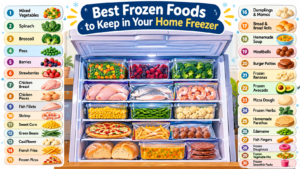
The best frozen foods to keep in your home freezer, including vegetables, fruits, meat, seafood, and convenient meal options. A well-stocked freezer can make everyday cooking much easier. Whether you have a busy schedule, want to reduce food waste, or simply prefer having ingredients ready whenever you need them, keeping the right frozen foods at home is a practical habit. You do not always need fresh ingredients to prepare a delicious and balanced meal. Frozen vegetables, fruits, meat, seafood, and convenient meal options can save preparation time without sacrificing quality.
The best part is that frozen foods offer flexibility. You can take out exactly what you need, keep the remaining portions stored, and avoid making unnecessary trips to the grocery store. Many frozen fruits and vegetables are also frozen shortly after harvesting, helping preserve their nutrients, flavor, and texture.
In this guide, we will explore the best frozen foods to keep in your home freezer, how to use them in everyday meals, and how to store them properly so they remain fresh and enjoyable.
Why Keeping Frozen Foods at Home Is a Smart Idea
Keeping a selection of frozen foods at home gives you more control over your daily meals. Instead of worrying about fresh ingredients going bad within a few days, you can store frozen options for longer periods and use them whenever needed. This is particularly helpful for families, students, and people who have limited time for grocery shopping.
Another advantage is convenience. Frozen vegetables can go directly into soups, curries, and stir-fries, while frozen chicken or fish can become the main ingredient in a quick dinner. You also have more flexibility when planning meals because frozen ingredients are available whenever you need them.
Frozen foods can help reduce household food waste, too. You can use smaller portions without throwing away the rest of a package. When stored at the correct temperature, many frozen ingredients maintain their quality for several months.
Best Frozen Foods to Keep in Your Home Freezer
The most useful freezer contains a mixture of everyday ingredients, nutritious options, and convenient foods for busy days. You do not need to fill every shelf with ready-made meals. A balanced selection of basic ingredients gives you more cooking possibilities.
1. Frozen Mixed Vegetables
Frozen mixed vegetables are among the most practical foods to keep at home. Most packages contain peas, carrots, sweet corn, and green beans, making them suitable for several everyday recipes. You can add them to fried rice, vegetable soup, pasta, noodles, and homemade casseroles without spending time washing and chopping individual vegetables.
They are also useful when fresh vegetables are unavailable or expensive. Choose plain frozen vegetables without added sauces, excessive salt, or seasoning if you want more control over the flavor of your meals.
2. Frozen Spinach
Frozen spinach is a convenient way to add leafy greens to your meals. It is usually washed and chopped before freezing, which saves preparation time. You can mix it into omelets, soups, pasta sauces, smoothies, and vegetable curries.
One useful advantage is that frozen spinach takes up less freezer space than large bags of fresh leaves. It is particularly helpful when you want to add vegetables to a recipe but do not have fresh spinach available. Just remember that frozen spinach releases water as it cooks, so draining excess liquid may be necessary for certain dishes.
3. Frozen Broccoli
Frozen broccoli is another excellent freezer staple because it works with many different meals. You can steam it, roast it, stir-fry it, or add it to soups and pasta dishes. It also provides dietary fiber, vitamin C, and other important nutrients.
For a quick dinner, combine broccoli with chicken, garlic, and a little olive oil. You can also mix it with cheese and potatoes for a comforting homemade side dish. Plain broccoli without added sauces is generally the most versatile option.
4. Frozen Peas
Frozen peas are small, affordable, and surprisingly useful. They cook quickly and can improve the taste, texture, and nutritional value of many simple meals. Add them to rice, vegetable pulao, soups, pasta, potato dishes, or homemade chicken recipes.
Because peas are individually frozen, you can easily remove a small portion without defrosting the entire package. They also contain plant-based protein and fiber, making them a useful addition to balanced meals.
5. Frozen Berries
Frozen berries are worth keeping in your freezer if you enjoy smoothies, breakfast bowls, or homemade desserts. Strawberries, blueberries, raspberries, and blackberries provide natural sweetness, fiber, and beneficial plant compounds.
You can blend them with milk or yogurt, add them to oatmeal, or use them to prepare fruit sauces. Frozen berries are particularly convenient because fresh berries can be expensive and spoil relatively quickly. Choose unsweetened varieties whenever possible to avoid unnecessary added sugar.
6. Frozen Strawberries
Frozen strawberries deserve their own place on this list because they are easy to use in both breakfast recipes and desserts. They work well in smoothies, milkshakes, yogurt bowls, homemade ice pops, and fruit sauces.
You can also cook them gently with a little water to create a simple strawberry topping for pancakes or oatmeal. If you prefer a sweeter taste, add a small amount of honey rather than choosing heavily sweetened frozen fruit.
7. Frozen Chicken Breast
Chicken breast is one of the most useful proteins to keep in a home freezer. It is naturally versatile and can be used in sandwiches, wraps, salads, curries, soups, and grilled meals. Buying larger packs and separating them into individual meal portions can also make grocery planning easier.
For better organization, freeze chicken in airtight freezer bags or suitable containers. Label each package with the freezing date and portion size. This makes it easier to identify what you need without repeatedly opening larger packages.
8. Frozen Chicken Pieces
Chicken thighs, drumsticks, and wings are useful alternatives to chicken breast. Thighs are especially suitable for curries, roasting, and slow-cooked dishes because they tend to remain juicy during cooking. Drumsticks and wings are also convenient for family dinners and homemade baked meals.
Keeping different chicken cuts in separate packages gives you more flexibility when planning meals. For example, you can reserve breast portions for sandwiches and thighs for curries or oven-baked dishes.
9. Frozen Fish Fillets
Frozen fish fillets are a practical choice for anyone who wants to include seafood in their weekly meals. Options such as cod, tilapia, haddock, and other locally available fish can be prepared in different ways depending on their texture and flavor.
Fish can be baked, grilled, pan-cooked, or added to homemade fish curries. It is also a source of protein, and many varieties provide important nutrients such as vitamin B12 and omega-3 fatty acids. Look for plain fillets without heavy breading or added sauces if you want a more flexible ingredient.
10. Frozen Shrimp
Frozen shrimp can make an ordinary meal feel a little more special without requiring complicated preparation. They cook quickly and work well in fried rice, pasta, noodles, seafood curries, and garlic shrimp dishes.
Peeled and deveined shrimp are particularly convenient because much of the preparation has already been completed. Check the packaging instructions before cooking, as cooking times depend on shrimp size and whether they are raw or already cooked.
11. Frozen Sweet Corn
Sweet corn is a useful ingredient for both snacks and main meals. Frozen corn kernels can be added to soups, salads, fried rice, pasta, vegetable dishes, and homemade corn patties. You can also heat them with a little butter and seasoning for a quick side dish.
Unlike corn on the cob, frozen kernels are easy to portion and generally require very little preparation. Plain frozen corn is a good everyday choice because it does not come with unnecessary sauces or seasonings.
12. Frozen Green Beans
Green beans are another vegetable worth keeping in your freezer. They are suitable for stir-fries, vegetable curries, soups, and simple side dishes. Their mild flavor makes them easy to combine with potatoes, carrots, onions, and other vegetables.
Frozen green beans can save time because they are often trimmed and cut before packaging. You can cook them directly from frozen in many recipes, although cooking times may vary depending on the dish.
13. Frozen Cauliflower
Frozen cauliflower is useful for people who enjoy homemade vegetable dishes but do not always have time to prepare fresh produce. It can be roasted, steamed, added to soups, or cooked with spices in a vegetable curry.
You can also blend cooked cauliflower into creamy soups or combine it with potatoes for a comforting side dish. Since frozen cauliflower can release moisture, roasting it at a suitable temperature helps improve its texture.
14. Frozen French Fries
Frozen French fries are a convenient option for quick snacks and casual meals. They can be prepared in an oven, air fryer, or deep fryer, depending on the package instructions and your cooking preferences.
They are especially useful when you want a quick side dish for homemade burgers, sandwiches, or grilled chicken. However, it is worth checking the ingredient list because some varieties contain added salt, oil, and seasonings. Enjoying them occasionally alongside vegetables and a protein source can help keep meals balanced.
15. Frozen Pizza
A frozen pizza can be a lifesaver on evenings when you do not feel like preparing dinner from scratch. It requires little preparation and can usually be cooked directly from frozen according to the package instructions.
For a more balanced meal, consider adding fresh vegetables or serving it with a simple salad. Compare nutrition labels when shopping because frozen pizzas can vary considerably in their sodium, saturated fat, and calorie content.
16. Frozen Dumplings and Momos
Dumplings and momos are convenient freezer foods that can be prepared as snacks, appetizers, or part of a larger meal. Depending on the variety, they may contain chicken, vegetables, or other fillings. They can be steamed, boiled, or pan-fried according to the manufacturer’s instructions.
Keeping a package at home is useful when you want something satisfying without spending much time preparing ingredients. Check the filling and nutrition information, particularly the sodium content of packaged varieties.
17. Frozen Bread and Bread Rolls
Bread is one of the easiest foods to freeze, especially if you regularly buy larger packages. Instead of allowing unused slices to become stale, you can freeze them and take out individual portions whenever needed.
Frozen bread is useful for sandwiches, toast, breakfast, and quick snacks. Many types can go directly into a toaster, while rolls and larger loaves may need time to thaw. Store bread in airtight freezer bags to protect it from freezer odors and drying.
18. Frozen Homemade Soup
Homemade soup is one of the most practical foods to prepare in advance and freeze in individual portions. Chicken soup, lentil soup, vegetable soup, and bean soup are all suitable options. Preparing a larger batch on a relaxed day can provide several quick meals later in the week.
Allow the soup to cool safely before transferring it into suitable containers, leaving a little space for expansion. Label each container with its contents and freezing date. For better texture, add delicate ingredients such as cream or fresh herbs after reheating when appropriate.
19. Frozen Meatballs
Frozen meatballs are a helpful option when you need a quick protein source for dinner. You can add them to tomato sauce, spaghetti, sandwiches, rice dishes, or homemade meatball curry. Both homemade and commercially prepared meatballs can be frozen, but homemade versions give you more control over the ingredients, seasoning, and salt content.
20. Frozen Burger Patties
Burger patties are useful for quick lunches and family dinners. You can prepare homemade beef, chicken, or turkey patties, separate them with parchment paper, and store them in freezer-safe bags. When you want burgers, cook the patties thoroughly according to food safety recommendations and serve them with buns, lettuce, tomatoes, and your preferred toppings.
21. Frozen Bananas
Frozen bananas are particularly useful when you have ripe fruit that you cannot finish in time. Peel and slice the bananas before freezing them in a single layer, then transfer the frozen pieces into an airtight container. They are excellent for smoothies, homemade banana ice cream, breakfast bowls, and baking recipes. Their naturally sweet flavor can also reduce the need for additional sweeteners in some recipes.
22. Frozen Avocado
Avocado can be frozen when you want to preserve ripe fruit for later use. You can freeze mashed avocado with a little lemon or lime juice in an airtight container, or freeze diced pieces for smoothies. Its texture may become softer after thawing, so frozen avocado is generally better for spreads, dips, and blended recipes than for salads where firm slices are preferred.
23. Frozen Pizza Dough
Pizza dough is another freezer-friendly item that can make homemade meals easier. You can prepare the dough yourself, divide it into individual portions, and freeze each portion separately. When you want pizza, transfer the dough to the refrigerator to thaw and follow your recipe’s instructions for bringing it to the right temperature before shaping. It is a convenient way to enjoy homemade pizza without starting the preparation from scratch.
24. Frozen Herbs
Fresh herbs such as coriander, parsley, mint, and basil can lose their freshness quickly, especially when you buy more than you need. Freezing chopped herbs in small portions is an easy way to preserve them for future cooking. You can place them in an ice cube tray with a little water or oil and transfer the frozen portions into a labeled freezer bag. They are particularly useful in soups, sauces, curries, and cooked vegetable dishes.
25. Frozen Homemade Parathas
Homemade parathas are a useful freezer staple for households that enjoy quick breakfasts or simple meals. Prepare the dough, roll the parathas, and partially cook them if your preferred recipe allows. Separate each one with parchment paper and store them in a sealed freezer bag. They can be cooked according to your preparation method when needed and served with eggs, yogurt, vegetables, or curry. This is especially convenient on busy mornings.
26. Frozen Edamame
Edamame is a nutritious freezer option that provides plant-based protein and dietary fiber. These young soybeans can be boiled or steamed and served as a snack with a little seasoning. Shelled edamame can also be added to salads, rice bowls, noodle dishes, and stir-fries. If you want more variety in your freezer beyond traditional vegetables, edamame is worth considering.
27. Frozen Fish Fingers
Fish fingers are a convenient choice for quick lunches and family meals, particularly when children prefer familiar foods. They can usually be prepared in an oven or air fryer, following the package directions. Serve them with homemade potato wedges, vegetables, or a simple salad to make a more complete meal. Check the ingredients and nutrition label because different brands can contain varying amounts of salt, breading, and added oil.
How to Choose Healthy Frozen Foods
Not every frozen food offers the same nutritional value. Some are simply frozen versions of fresh ingredients, while others contain added salt, sugar, sauces, and preservatives. Knowing what to look for can help you make better choices when shopping.
Read the Ingredient List
When buying frozen vegetables, fruits, seafood, or meat, look for products with simple ingredient lists. Plain frozen broccoli should mainly contain broccoli, while frozen berries should not need added sugar. If you are buying prepared meals, compare ingredients to understand what else has been added.
Check Sodium and Added Sugar
Packaged frozen meals, seasoned vegetables, pizzas, and breaded products can contain considerable amounts of sodium. Frozen fruit desserts and sweetened smoothie mixes may also contain added sugar. Comparing nutrition labels makes it easier to select products that fit your everyday eating habits.
Choose Different Food Groups
A useful freezer should contain more than convenient snacks. Try keeping a mixture of vegetables, fruits, protein sources, and basic meal ingredients. This gives you more opportunities to prepare varied meals rather than depending entirely on ready-made foods.
Consider Portion Sizes
Large packages can be economical, but only when you can use their contents before quality declines. Divide foods into portions that match your household’s usual meals. This makes cooking easier and reduces the need to thaw more food than you actually require.
How to Store Frozen Foods Properly
Buying suitable frozen foods is only part of the process. Proper storage helps maintain their quality, flavor, and safety.
Keep Your Freezer at 0°F (-18°C)
The recommended temperature for a home freezer is 0°F (-18°C) or below. Keeping the temperature consistent helps frozen foods remain safe for longer periods. A separate freezer thermometer can help you monitor the temperature, particularly if your appliance does not display it accurately.
Use Airtight Containers and Freezer Bags
Air exposure can cause freezer burn, which creates dry, discolored patches on food and affects its texture and flavor. Use suitable airtight containers, freezer bags, or original packaging designed for freezing. Remove excess air from freezer bags before sealing them.
Label Everything With Dates
It is easy to forget when you placed something in the freezer. Write the food name and freezing date on each package. This small habit makes it easier to organize your supplies and use older items first.
Divide Food Into Smaller Portions
Freezing food in smaller portions saves time because you only need to thaw the amount required for a particular meal. This works especially well for chicken, minced meat, homemade soup, bread, and cooked meals.
Avoid Repeated Thawing and Refreezing
Repeatedly thawing and refreezing food can affect its quality and increase food safety risks if it spends too much time at unsafe temperatures. Instead, divide larger packages into meal-sized portions before freezing. Food thawed in the refrigerator can generally be refrozen safely, although its quality may decline.
How Long Can Different Frozen Foods Stay in the Freezer?
Frozen food can remain safe indefinitely when continuously stored at 0°F (-18°C) or below, although its taste and texture may decline over time. The following periods are general quality guidelines rather than strict safety deadlines.
| Frozen food | Recommended storage time for best quality |
|---|---|
| Chicken pieces | 9–12 months |
| Chicken breast | 9 months |
| Fatty fish | 2–3 months |
| Lean fish | 6–8 months |
| Shrimp | 3–6 months |
| Ground meat | 3–4 months |
| Beef steaks and roasts | 4–12 months |
| Frozen vegetables | 8–12 months |
| Frozen fruits | 8–12 months |
| Bread | 2–3 months |
| Homemade soup | 2–3 months |
| Cooked meat dishes | 2–3 months |
Storage recommendations can vary according to packaging, food type, and freezer conditions. Always follow the manufacturer’s instructions for commercially packaged products.
Common Mistakes to Avoid When Freezing Food
One common mistake is placing warm food directly into the freezer in large quantities. Large amounts of warm food can raise the freezer temperature and affect other stored items. Cool cooked food promptly in shallow containers before freezing it.
Another mistake is leaving food uncovered or using unsuitable packaging. This can expose ingredients to air, resulting in freezer burn and unpleasant flavors. Overfilling the freezer can also restrict airflow, making it harder to maintain a consistent temperature.
Finally, do not assume that food is safe simply because it looks or smells normal. If frozen food has been exposed to unsafe temperatures, appearance alone cannot confirm its safety. When in doubt about how long food has been unrefrigerated or whether it has been stored safely, it is better to discard it.
Easy Meal Ideas Using Frozen Foods
A stocked freezer becomes especially valuable when you know how to combine different ingredients into simple meals. You do not need complicated recipes or expensive ingredients to prepare something satisfying.
Quick Chicken and Vegetable Rice
Combine frozen chicken portions, mixed vegetables, rice, garlic, and your preferred seasonings to prepare a simple homemade meal. Cook the chicken thoroughly and add the vegetables according to the recipe. This is a useful dinner option when you want something filling without preparing several fresh ingredients.
Berry and Banana Smoothie
Blend frozen strawberries, blueberries, banana, and plain yogurt or milk to make a refreshing breakfast or snack. You can adjust the consistency by adding more liquid. It is also an easy way to use frozen fruit without preparing a complicated dessert.
Vegetable and Cheese Omelet
Add frozen spinach, peas, or mixed vegetables to beaten eggs and cook them in a pan. Finish with a little cheese for additional flavor. This makes a convenient breakfast or light lunch using ingredients that are easy to keep available.
Homemade Fish and Vegetable Dinner
Prepare frozen fish fillets with broccoli or green beans and serve them with rice or potatoes. Season the fish with lemon, garlic, and herbs, then cook it thoroughly according to its type and thickness. This combination provides protein, vegetables, and a satisfying meal.
Tips for Organizing Your Home Freezer
A well-organized freezer makes everyday cooking less stressful. Keep frequently used ingredients near the front so you can find them quickly. Store raw meat and seafood in sealed, leakproof packaging, preferably on a separate shelf from ready-to-eat foods.
Use labeled containers for homemade meals and arrange older packages where they are easiest to reach. It is also helpful to keep a simple freezer inventory on your refrigerator or kitchen wall. This prevents forgotten food from sitting in the freezer for months.
Try not to overcrowd your freezer because cold air needs room to circulate. A little organization can make a noticeable difference in how efficiently you use your frozen ingredients.
Conclusion
Keeping the best frozen foods to keep in your home freezer is a simple way to make meal preparation easier, reduce food waste, and maintain a useful supply of everyday ingredients. From frozen vegetables and berries to chicken, seafood, bread, and homemade meals, there are plenty of options worth keeping available.
The key is to choose foods that match your household’s eating habits. You do not need every item on this list. Start with a few versatile ingredients, store them properly, and gradually build a freezer collection that makes your daily cooking more convenient.
A thoughtfully stocked freezer can save time, simplify grocery planning, and help you prepare satisfying meals even on your busiest days.
Frequently Asked Questions
1. What are the best foods to keep in a home freezer?
Some of the best foods include frozen vegetables, berries, chicken breast, fish fillets, shrimp, bread, peas, broccoli, and homemade soups. These ingredients are versatile and can be used in many everyday recipes.
2. Are frozen vegetables as healthy as fresh vegetables?
Yes. Frozen vegetables can be just as nutritious as fresh vegetables because they are often frozen shortly after harvesting. Freezing helps preserve many of their vitamins and minerals.
3. What frozen foods are best for quick meals?
Frozen mixed vegetables, chicken pieces, fish fillets, shrimp, dumplings, burger patties, and frozen pizza are convenient options for preparing quick meals at home.
4. How long can food stay in a home freezer?
Food can remain safe indefinitely when continuously stored at 0°F (-18°C) or below. However, its quality, taste, and texture may decline over time. Different foods have different recommended storage periods.
5. Should frozen food be thawed before cooking?
Not always. Many vegetables can be cooked directly from frozen, while some meat and seafood can also be cooked from frozen when the recipe and packaging instructions allow it. Always ensure food reaches a safe internal cooking temperature.
Pingback: Instant Yeast to Active Dry Yeast Conversion