Organic rolled oats for daily breakfast
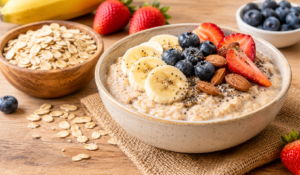
Organic rolled oats for daily breakfast are a simple and nutritious way to start the morning with a satisfying meal. Made from whole oat groats that are steamed and flattened, rolled oats offer a naturally mild flavor, a soft texture when cooked, and plenty of ways to customize breakfast. Whether you enjoy a warm bowl of oatmeal, overnight oats prepared the night before, or a fruit-and-oat breakfast bowl, this pantry staple can fit easily into an everyday eating routine. Organic rolled oats are also a convenient choice for people who want a whole-grain breakfast without relying on heavily processed cereals or sugary breakfast products.
What Are Organic Rolled Oats?
Organic rolled oats are whole-grain oats produced from oat groats grown under certified organic farming standards. During processing, the outer inedible husk is removed, and the oat groats are steamed before being flattened into familiar oval-shaped flakes. This process helps soften the oats and makes them quicker to prepare than whole oat groats. Unlike flavored instant oatmeal products, plain organic rolled oats generally contain just one ingredient: organic whole-grain oats.
Their simple preparation and neutral taste make them suitable for different breakfast preferences. Some people enjoy them with warm milk and honey, while others combine them with fresh fruit, nuts, cinnamon, or yogurt. They can also be used in homemade granola, breakfast bars, and baked oatmeal recipes.
Why Choose Organic Rolled Oats for Daily Breakfast?
Choosing organic rolled oats for breakfast is not only about following a particular food trend. It is also about having a convenient whole-grain ingredient that can be used in several different ways. Their natural fiber content makes them a filling breakfast option, while their mild flavor allows you to change toppings and recipes without buying different breakfast products.
Another advantage is that plain rolled oats do not require complicated preparation. A small saucepan, some water or milk, and a few minutes are usually enough to prepare a warm breakfast. If mornings are busy, you can also prepare them the night before and keep them refrigerated.
Organic certification is another consideration for some households. It indicates that the product meets the organic production and handling requirements of the certifying organization. However, organic certification does not automatically mean that oats contain more fiber, protein, or vitamins than conventional oats. Both can provide valuable whole-grain nutrition.
Nutritional Value of Organic Rolled Oats
Rolled oats contain several nutrients that contribute to a balanced diet. They provide complex carbohydrates, dietary fiber, plant-based protein, and small amounts of important minerals. Their nutritional composition makes them useful as part of a breakfast that includes other food groups.
A typical 40-gram serving of dry rolled oats provides approximately:
| Nutrient | Approximate amount |
|---|---|
| Calories | 150–155 kcal |
| Carbohydrates | 27 g |
| Protein | 5 g |
| Dietary fiber | 4 g |
| Fat | 3 g |
| Iron | 1.5–1.7 mg |
| Magnesium | 50–55 mg |
Actual nutritional values vary by brand, oat variety, and serving size, so checking the product packaging is important.
Dietary Fiber
One of the most valuable nutritional features of oats is their dietary fiber. They contain both soluble and insoluble fiber, including beta-glucan, a type of soluble fiber naturally found in oats. Beta-glucan absorbs water and forms a gel-like substance during digestion. This helps explain why oatmeal develops its familiar creamy consistency when cooked.
Plant-Based Protein
Oats also provide more protein than many common breakfast cereals. Although they are not a complete replacement for every protein-rich food, they can contribute to daily protein intake. Adding Greek yogurt, milk, nuts, or seeds can make an oat-based breakfast more protein-rich.
Essential Minerals
Rolled oats contain minerals such as magnesium, phosphorus, iron, zinc, and manganese. These nutrients support different functions in the body, including normal energy metabolism, bone health, and other everyday processes.
Health Benefits of Eating Rolled Oats Regularly
Including oats in a balanced breakfast can support several aspects of everyday nutrition. Their benefits are mainly connected to their whole-grain composition, fiber content, and ability to replace less nutritious breakfast choices.
Supports Digestive Health
The fiber in rolled oats contributes to normal digestive function. Insoluble fiber helps add bulk to stool, while soluble fiber supports healthy bowel habits. Eating oats alongside vegetables, fruits, legumes, and other fiber-containing foods can help maintain a varied, fiber-rich diet.
People who currently eat very little fiber should increase their intake gradually. Adding too much fiber too quickly can cause temporary bloating or gas, especially when fluid intake is insufficient.
Helps Maintain Fullness
A bowl of oatmeal can be a satisfying breakfast because it contains complex carbohydrates and dietary fiber. Beta-glucan absorbs water and contributes to the thick texture of cooked oats, which may help people feel full after eating.
For a more satisfying meal, combine oats with a source of protein and healthy fat. Milk, plain yogurt, almonds, walnuts, chia seeds, and peanut butter are useful additions.
Supports Heart Health
Oat beta-glucan has been studied for its relationship with blood cholesterol. Regular consumption of sufficient amounts of oat beta-glucan can help reduce LDL cholesterol when included as part of a balanced diet.
This does not mean that eating oatmeal alone prevents heart disease. Overall eating habits, physical activity, genetics, and other health factors also matter. Still, replacing some refined breakfast foods with whole-grain oats can be a useful dietary change.
Provides Steady Breakfast Energy
Rolled oats provide carbohydrates that the body uses for energy. Their fiber content also influences how quickly carbohydrates are digested and absorbed. When combined with protein and healthy fats, an oat-based breakfast can provide a balanced start to the day.
Fits Into a Weight-Conscious Eating Routine
Plain rolled oats can be included in a weight-management eating plan because they are relatively filling for their calorie content. However, oats are not a weight-loss food by themselves. Large portions and calorie-dense toppings can significantly increase the total energy content of a breakfast.
Different Ways to Enjoy Organic Rolled Oats for Daily Breakfast
One reason rolled oats remain popular is their flexibility. You do not need to eat the same bowl every morning. A few simple ingredient changes can create completely different breakfast combinations.
Classic Warm Oatmeal
Warm oatmeal is one of the easiest ways to enjoy rolled oats. Add half a cup of oats to a saucepan with approximately one cup of milk or water. Simmer for around five minutes, stirring occasionally, until the mixture reaches your preferred consistency. Finish with banana slices, cinnamon, or a small amount of honey.
Overnight Oats
Overnight oats are useful when you want breakfast ready before the morning begins. Combine rolled oats with milk or yogurt in a covered container, stir well, and refrigerate overnight. By morning, the oats will have absorbed much of the liquid and developed a softer texture.
Fresh berries, chopped apples, chia seeds, and peanut butter are popular additions. You can prepare individual portions in small jars to make weekday breakfasts easier.
Oats With Fresh Fruits
Fresh fruit adds natural sweetness, color, and additional nutrients to a bowl of oatmeal. Bananas, apples, strawberries, blueberries, peaches, and mangoes all work well with the mild flavor of oats.
You can add fruit before cooking for a softer texture or place it on top after preparation. A combination of fruit, yogurt, and oats creates a balanced breakfast with different textures and flavors.
Oatmeal With Nuts and Seeds
Almonds, walnuts, pumpkin seeds, sunflower seeds, and chia seeds can add healthy fats, protein, and texture to an ordinary bowl of oats. A small handful is usually enough to make breakfast more satisfying without overwhelming the natural taste of the cereal.
Homemade Granola
Rolled oats are also a common ingredient in homemade granola. Mix them with nuts, seeds, a little oil, and a natural sweetener before baking until lightly golden. Once cooled, the mixture can be served with plain yogurt or milk.
Homemade granola gives you more control over the ingredients and sweetness than many packaged varieties.
How to Prepare Rolled Oats for a Healthy Breakfast
Preparing rolled oats does not require special cooking equipment or advanced kitchen skills. The most important thing is finding the liquid ratio and cooking time that produce the texture you enjoy.
For a basic serving, use half a cup of dry rolled oats and approximately one cup of water or milk. Add both ingredients to a saucepan and heat gently. Stir occasionally while the oats soften and absorb the liquid. Most traditional rolled oats take around five minutes to cook on the stovetop, although the exact time depends on the brand and desired consistency.
If you prefer a thicker breakfast, use slightly less liquid. For a softer and creamier result, add a little more milk near the end of cooking. You can finish the bowl with fresh fruit, cinnamon, nuts, or plain yogurt.
Organic Rolled Oats vs. Instant Oats vs. Steel-Cut Oats
Not all oat products look or cook the same way. The main differences between rolled oats, instant oats, and steel-cut oats involve processing, texture, and preparation time. All three can be nutritious choices, particularly when purchased plain and without added sugar.
| Oat type | Processing | Cooking time | Texture |
|---|---|---|---|
| Rolled oats | Steamed and flattened | Around 5 minutes | Soft and creamy |
| Instant oats | More finely processed and precooked | Around 1–2 minutes | Very soft |
| Steel-cut oats | Chopped oat groats | Around 20–30 minutes | Chewy and firm |
Rolled Oats
Rolled oats offer a convenient balance between cooking time and texture. They soften relatively quickly while retaining enough structure to work in oatmeal, overnight oats, and baking recipes.
Instant Oats
Instant oats are more finely processed and often cook very quickly. Plain instant oats can still be a nutritious breakfast choice, but flavored varieties may contain added sugar, salt, or artificial flavorings.
Steel-Cut Oats
Steel-cut oats are made by chopping whole oat groats into smaller pieces. They have a chewier texture and usually take longer to cook. People who enjoy a more substantial oatmeal texture may prefer them.
How to Choose Good-Quality Organic Rolled Oats
Choosing a good product is easier when you know what to look for on the packaging. A simple ingredient list is often a good starting point, especially if you want oats for everyday breakfast rather than a flavored convenience product.
Check the Ingredient List
Look for products that list organic whole-grain rolled oats as the main and preferably only ingredient. Avoid unnecessary added sugars, artificial flavors, and excessive salt if you want a plain breakfast ingredient.
Look for Organic Certification
Check whether the packaging displays a recognized organic certification mark. Organic claims should be supported by appropriate certification or documentation rather than relying only on marketing language.
Examine the Packaging
Good packaging helps protect oats from moisture, insects, and contamination. Choose a properly sealed packet with clear manufacturing, expiry, and storage information.
Check the Texture and Appearance
Rolled oats usually have flat, slightly oval flakes with a natural cream or pale beige color. Avoid products with signs of moisture damage, unusual odors, insects, or visible contamination.
Choose a Suitable Pack Size
A smaller pack can be practical if you are trying a new brand for the first time. Households that prepare oatmeal frequently may prefer a larger package, provided they can store it properly and use it before its quality declines.
Are Organic Rolled Oats Suitable for Everyday Consumption?
For most healthy adults, plain rolled oats can be eaten regularly as part of a varied and balanced diet. They provide whole-grain carbohydrates, fiber, and useful minerals without requiring complicated preparation.
However, daily meals should not depend on a single food. Combining oats with different fruits, dairy products, nuts, seeds, and other nutritious ingredients helps provide a wider range of nutrients.
People with celiac disease or gluten sensitivity should pay particular attention to product labeling. Oats are naturally gluten-free, but they can become contaminated with wheat, barley, or rye during growing, transportation, or processing. Certified gluten-free oats are a more appropriate choice for people who need to avoid gluten.
Anyone who experiences persistent digestive discomfort after eating oats should consider portion size, added ingredients, and individual food tolerance.
How to Store Organic Rolled Oats Properly
Proper storage helps maintain the taste, texture, and quality of rolled oats. Since oats are a dry pantry product, they generally do not need refrigeration before opening, but they should be protected from humidity and direct sunlight.
After opening a packet, transfer the oats to a clean, airtight container if the original packaging cannot be resealed properly. Keep the container in a cool, dry cupboard away from the stove, sink, and other sources of moisture.
Always use a dry spoon when taking oats from the container. Introducing moisture can affect their quality and encourage spoilage. Check the expiry date and discard oats that develop an unusual smell, visible mold, insects, or signs of moisture damage.
Common Mistakes to Avoid When Eating Rolled Oats
Even though oatmeal is easy to prepare, a few small mistakes can affect its taste and nutritional balance. One common issue is adding too much sugar through flavored syrups, sweetened condensed milk, or packaged toppings. A ripe banana, fresh berries, or cinnamon can provide plenty of flavor without requiring large amounts of added sugar.
Another mistake is using an unnecessarily large portion. Oats are nutritious, but serving sizes still matter. Starting with around 40 grams of dry oats can help you understand how much food is satisfying for your appetite.
Some people also prepare oats with very little liquid, resulting in a dry or overly thick texture. Adjusting the liquid ratio gradually makes it easier to find a consistency you enjoy. Finally, relying on oats alone without adding protein or other food groups can make breakfast less varied than it could be.
Conclusion
Organic rolled oats for daily breakfast are a practical choice for anyone looking to include more whole grains in their everyday meals. Their fiber content, mild flavor, and simple preparation make them suitable for different breakfast styles, from traditional oatmeal to overnight oats and homemade granola. They are also easy to combine with fruits, nuts, yogurt, and milk, allowing you to create satisfying meals without complicated recipes. When choosing a product, look for plain whole-grain oats, reliable organic certification, and good-quality packaging. Most importantly, enjoy them as part of a varied diet rather than treating one food as a complete solution to healthy eating.
Frequently Asked Questions
1. Are organic rolled oats good for daily breakfast?
Yes, plain organic rolled oats can be a nutritious daily breakfast option. They provide whole-grain carbohydrates, dietary fiber, plant-based protein, and minerals.
2. How much rolled oats should I eat for breakfast?
Around 40 grams of dry rolled oats is a common starting serving for adults. You can adjust the amount according to your appetite and nutritional needs.
3. Can I eat rolled oats with milk every morning?
Yes, rolled oats can be prepared with milk regularly. Milk also adds protein, calcium, and other nutrients to the breakfast.
4. Are organic rolled oats better than regular oats?
Organic oats are produced under certified organic farming standards. However, they are not automatically more nutritious than conventional oats. Both can provide similar whole-grain benefits.
5. Can I eat rolled oats without cooking them?
Yes. Rolled oats can be soaked overnight in milk or yogurt. This softens the flakes and makes them suitable for a convenient no-cook breakfast.
Read also: Dark Chocolate Almond Snack Bars Found in Supermarket
Pingback: Whole wheat sandwich bread for Everyday Meals