Best Herbs and Spices for Adding Flavor to Homemade Meals
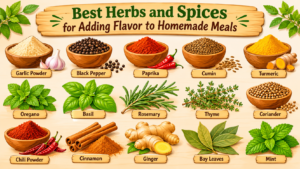
The Best Herbs and Spices for Adding Flavor to Homemade Meals, with simple combinations and practical cooking tips for everyday dishes. Homemade meals do not need expensive ingredients or complicated cooking techniques to taste delicious. Sometimes, a small amount of the right herb or spice can completely change an ordinary dish. A simple bowl of soup becomes more comforting with thyme, roasted vegetables taste richer with paprika, and chicken becomes more flavorful with garlic, black pepper, and rosemary. Herbs and spices have been used in kitchens around the world for generations because they add aroma, color, depth, and character to everyday food.
The best herbs and spices for adding flavor to homemade meals depend on what you are cooking and the taste you want to create. Some bring freshness, others add warmth or heat, while a few provide a deep, earthy flavor that makes food more satisfying. Whether you prepare quick weekday dinners, traditional family recipes, soups, curries, pasta, or grilled dishes, keeping a few versatile seasonings in your kitchen can make cooking much easier.
You also do not need dozens of expensive spice jars to get started. Learning how to use a handful of common herbs and spices can help you prepare more interesting meals with ingredients you probably already have at home. Here is a closer look at the most useful options, how they taste, and how to use them in everyday cooking.
Why Herbs and Spices Make Homemade Meals Taste Better
Herbs and spices do more than simply make food taste stronger. They help create different layers of flavor, making even basic ingredients more enjoyable. For example, potatoes seasoned with rosemary and black pepper have a completely different taste from potatoes cooked with cumin and chili powder. Both recipes use the same main ingredient, but the seasonings give each dish its own character.
Fresh herbs often provide bright, refreshing flavors, while dried herbs and ground spices usually offer concentrated aromas. Some spices also add natural color, which can make a meal look more appetizing. The right combination can balance richness, sweetness, acidity, and heat without requiring complicated sauces or extra ingredients.
Another advantage is flexibility. You can experiment with different seasonings depending on your preferences, available ingredients, and cooking style. This makes herbs and spices useful for anyone who wants to improve everyday cooking without making recipes unnecessarily complicated.
15 Best Herbs and Spices for Adding Flavor to Homemade Meals
The following herbs and spices are versatile kitchen essentials. Each has a distinctive flavor and works well with different ingredients, making them useful for preparing a wide variety of homemade dishes.
1. Garlic Powder

Garlic powder is one of the easiest ways to add a rich, savory flavor to homemade meals. It has a concentrated garlic taste that works particularly well in chicken marinades, roasted vegetables, soups, pasta sauces, mashed potatoes, and homemade burgers. Unlike fresh garlic, garlic powder distributes evenly throughout dry seasonings and is convenient when you want garlic flavor without peeling or chopping cloves. It is especially useful for quick weekday cooking because a small amount can make simple ingredients taste more flavorful.
2. Black Pepper

Black pepper is a basic seasoning that deserves a place in almost every kitchen. It adds mild heat, a slightly sharp taste, and depth to both simple and elaborate dishes. Freshly ground black pepper is particularly enjoyable because it has a stronger aroma than many pre-ground varieties. You can use it in scrambled eggs, soups, grilled chicken, vegetable stir-fries, pasta, sauces, and roasted potatoes. It also pairs naturally with salt, garlic, lemon, and many other seasonings.
3. Paprika

Paprika is made from ground dried red peppers and is valued for its beautiful color and mild pepper flavor. Regular sweet paprika adds warmth and color without making food particularly spicy, while smoked paprika provides a deeper flavor that resembles food cooked over a fire. It works wonderfully with roasted potatoes, chicken, rice, vegetables, stews, and homemade spice rubs. If you want to give an ordinary dish a richer appearance and a gentle peppery taste, paprika is an excellent seasoning to keep nearby.
4. Cumin

Cumin has a warm, earthy, slightly nutty flavor that is especially popular in South Asian, Middle Eastern, Mexican, and Mediterranean cooking. It is a useful ingredient for adding depth to curries, lentils, beans, rice, roasted vegetables, and meat dishes. Whole cumin seeds release a wonderful aroma when briefly heated in oil, while ground cumin blends easily into marinades and sauces. Even a small quantity can make a simple homemade meal taste more complete, particularly when combined with coriander, turmeric, or chili powder.
5. Turmeric

Turmeric is known for its bright golden color and earthy, slightly bitter flavor. It is a familiar ingredient in many South Asian kitchens and is commonly used in curries, lentils, vegetable dishes, rice, and soups. Its strong color makes it useful for giving food an attractive golden appearance, while its distinctive taste adds depth when combined with other spices. Turmeric works particularly well with cumin, coriander, garlic, and black pepper. Because its flavor can become overpowering in large quantities, it is generally better to start with a small amount.
6. Oregano

Oregano has a bold, slightly peppery, and pleasantly earthy flavor that is commonly associated with Mediterranean and Italian cooking. It is an excellent addition to homemade pizza, pasta sauces, roasted vegetables, grilled chicken, and salad dressings. Dried oregano is particularly convenient because it has a concentrated flavor and can be stored for everyday use. It also pairs well with garlic, basil, tomatoes, olive oil, and lemon. If you enjoy making homemade pizza or pasta, oregano is one of the most useful dried herbs to have in your cupboard.
7. Basil

Basil has a fresh, slightly sweet, and aromatic flavor that works beautifully in many homemade meals. It is especially popular in Italian-inspired dishes, including tomato sauces, pasta, pizza, sandwiches, and salads. Fresh basil leaves are wonderful when added toward the end of cooking because prolonged heat can reduce their delicate aroma. You can also combine basil with tomatoes, garlic, olive oil, and cheese to create a simple homemade sauce. Dried basil is useful for longer-cooking recipes, although fresh leaves provide a brighter flavor.
8. Rosemary

Rosemary has a strong, woody, and pine-like aroma that gives homemade food a distinctive character. It is particularly suitable for roasted potatoes, baked chicken, lamb, vegetables, and homemade bread. Its sturdy leaves hold up well during longer cooking, making it a good choice for roasting and slow-cooked recipes. Rosemary can be used fresh or dried, but it has a relatively strong flavor, so a little usually goes a long way. Combining it with garlic, black pepper, lemon, and olive oil creates a delicious seasoning for roasted meat and vegetables.
9. Thyme

Thyme is a versatile herb with a subtle earthy, slightly minty, and mildly floral taste. It adds a pleasant background flavor to soups, chicken, fish, roasted vegetables, stews, and creamy sauces. Unlike some delicate herbs, thyme can withstand longer cooking times, allowing its aroma to gradually blend into a dish. Fresh thyme sprigs are useful for seasoning broths and slow-cooked meals, while dried thyme works well in everyday recipes. It also complements garlic, rosemary, black pepper, and lemon.
10. Coriander

Coriander is a popular seasoning with a mild, citrusy, and slightly sweet flavor. Its seeds are commonly dried and ground into a powder that works well in curries, soups, marinades, vegetable dishes, and meat recipes. Ground coriander is particularly useful in South Asian cooking, where it is often combined with cumin, turmeric, and chili powder. Whole coriander seeds can also be lightly toasted to release their natural aroma before grinding. It provides warmth without adding significant heat, making it suitable for people who prefer balanced seasoning.
11. Chili Powder

Chili powder adds warmth, color, and varying levels of heat to homemade food. Its flavor and intensity depend on the type of chili used and whether the powder is a pure ground chili or a prepared seasoning blend. It works well in curries, soups, beans, roasted vegetables, grilled chicken, and homemade sauces. You can adjust the amount according to your preferred spice level, making it easy to prepare meals for people with different tastes. Start with a small quantity and gradually add more until the flavor feels balanced.
12. Cinnamon

Cinnamon is widely known for its warm, sweet, and slightly woody aroma. Although it is often associated with desserts, it also has a place in savory cooking. It can add depth to certain rice dishes, meat stews, curries, and slow-cooked recipes. A small cinnamon stick simmered in a sauce or broth can provide a gentle fragrance without making the food taste like a dessert. Ground cinnamon is convenient for baking, oatmeal, breakfast dishes, and some spice blends. Because its flavor is distinctive, it is best used in moderation.
13. Ginger

Ginger brings a warm, slightly sharp, and refreshing flavor to homemade meals. Fresh ginger is commonly used in stir-fries, curries, soups, marinades, rice dishes, and sauces. It pairs especially well with garlic, soy sauce, chili, lemon, and vegetables. Ground ginger is more convenient for baking and certain spice mixtures, while fresh ginger provides a livelier taste in savory recipes. Adding a little freshly grated ginger to chicken or vegetable dishes can create a noticeable difference without requiring many additional ingredients.
14. Bay Leaves

Bay leaves are known for their subtle herbal and slightly woody aroma. They are generally added whole to soups, rice, broths, curries, and slow-cooked stews to provide a gentle background flavor. Rather than eating them, cooks usually remove the leaves before serving because their tough texture makes them unpleasant to chew. Bay leaves are particularly useful in dishes that simmer for a longer period because they gradually release their aroma into the cooking liquid. One or two leaves are often enough for a medium-sized pot, depending on the recipe.
15. Mint

Mint adds a refreshing, cooling flavor that can brighten many homemade dishes. It is commonly used in chutneys, yogurt sauces, salads, rice dishes, drinks, and marinades. Fresh mint leaves are particularly useful when a meal feels rich or heavy because their refreshing aroma creates a pleasant contrast. Mint also pairs well with lemon, cucumber, coriander, and yogurt. You can add chopped mint to a simple salad or blend it into a homemade chutney to give familiar ingredients a fresher taste.
How to Choose the Right Herbs and Spices for Different Meals
Knowing which seasonings to buy is only part of cooking well. The real difference comes from understanding which flavors complement each other and how they work with different ingredients. You do not need to follow strict rules, but a few basic combinations can help you make better seasoning choices.
Best Herbs and Spices for Chicken
Chicken has a relatively mild flavor, which makes it suitable for many different seasonings. Garlic powder, paprika, black pepper, thyme, rosemary, oregano, and cumin are excellent choices for creating flavorful chicken dishes. You can combine garlic, paprika, black pepper, and lemon juice with a little oil to make a simple marinade for grilled or baked chicken.
Best Seasonings for Vegetables
Vegetables become much more interesting when seasoned properly. Paprika, garlic powder, cumin, rosemary, thyme, and black pepper work particularly well with roasted potatoes, carrots, cauliflower, broccoli, and zucchini. For a simple side dish, toss vegetables with olive oil, garlic powder, paprika, and black pepper before roasting them until tender.
Best Herbs and Spices for Soups and Stews
Soups and stews benefit from seasonings that release flavor gradually. Bay leaves, thyme, rosemary, black pepper, garlic, and cumin are useful options. For tomato-based soups, oregano and basil provide a pleasant herbal taste. For heartier vegetable or meat stews, bay leaves and thyme can create a deeper aroma as the ingredients simmer.
Best Spices for Rice and Pasta
Rice and pasta can easily absorb the flavors of other ingredients, making them ideal dishes for experimenting with seasonings. Cumin, turmeric, coriander, black pepper, and bay leaves are useful for rice recipes, while basil, oregano, garlic powder, and black pepper work especially well with pasta. The best combination depends on whether you are preparing a traditional spiced rice dish or a simple Italian-style meal.
Simple Herb and Spice Combinations for Everyday Cooking
You do not have to purchase every seasoning separately or follow complicated recipes to make delicious meals. A few familiar combinations can help you create different flavors using ingredients you already have in your kitchen.
| Meal | Recommended combination |
|---|---|
| Grilled chicken | Garlic, paprika, black pepper, oregano |
| Roasted potatoes | Rosemary, garlic, paprika |
| Vegetable soup | Thyme, black pepper, bay leaves |
| Homemade pasta | Basil, oregano, garlic |
| Rice dishes | Cumin, turmeric, coriander |
| Fish recipes | Lemon, dill, black pepper, garlic |
| Beef curry | Cumin, coriander, chili, ginger |
| Fresh salads | Mint, basil, black pepper |
| Lentil dishes | Turmeric, cumin, coriander |
| Homemade bread | Rosemary, thyme, garlic |
These combinations are starting points rather than strict recipes. You can adjust the quantities depending on your taste and the ingredients you are using.
Fresh Herbs vs. Dried Herbs: Which Should You Use?
Fresh and dried herbs both have a place in everyday cooking, but they do not always produce exactly the same results. Fresh herbs generally provide a brighter, more delicate flavor, making them suitable for salads, garnishes, sauces, and meals where freshness matters. Dried herbs have less moisture and a more concentrated flavor, so they are convenient for soups, stews, marinades, and longer-cooking recipes.
A useful general guideline is to use approximately one teaspoon of dried herbs for every tablespoon of fresh herbs when substituting one for the other. However, this is not a universal rule because the strength of different herbs varies. Fresh basil, parsley, and mint are often best added near the end of cooking, while dried oregano, thyme, and rosemary can be added earlier to allow their flavors to develop.
Tips for Getting More Flavor from Herbs and Spices
Even good-quality seasonings can produce disappointing results if they are used incorrectly. A few simple cooking habits can help you get better flavor from your ingredients without making your meals unnecessarily complicated.
Add Spices at the Right Time
Timing makes a noticeable difference when cooking with seasonings. Ground spices such as cumin, turmeric, and paprika can often be added during the early stages of cooking, allowing their flavors to blend with oil and other ingredients. Fresh herbs such as basil and mint are usually better added toward the end because excessive heat can reduce their fresh aroma.
Toast Whole Spices Before Grinding
Whole spices such as cumin and coriander seeds can develop a stronger aroma when briefly toasted in a dry pan over low or medium heat. Stir them regularly and remove them once they become fragrant. Allow them to cool before grinding. Avoid overheating them because burnt spices can introduce an unpleasant bitter taste into your food.
Avoid Using Too Many Seasonings Together
Adding more spices does not automatically make a meal taste better. Combining too many strong flavors can make it difficult to recognize the individual ingredients. Instead, choose two or three main seasonings that complement the dish. For example, garlic, rosemary, and black pepper are enough to create a flavorful seasoning for roasted potatoes.
Taste Your Food While Cooking
One of the simplest ways to improve homemade cooking is to taste the food as it develops. Add seasonings gradually instead of putting everything into the pan at once. This helps you understand whether a dish needs more salt, acidity, heat, or herbal flavor. It also reduces the chances of adding too much of a strong seasoning.
How to Store Herbs and Spices to Keep Them Fresh
Proper storage helps preserve the aroma and flavor of your kitchen seasonings. Dried herbs and ground spices should generally be kept in airtight containers away from direct sunlight, moisture, and heat. A cool, dry cupboard is usually a better storage location than a shelf directly above the stove because cooking steam and heat can affect their quality.
Fresh herbs require slightly different care. Many leafy herbs, including parsley and cilantro, can be stored in the refrigerator with their stems placed in a small amount of water or wrapped loosely in a slightly damp paper towel. Basil is often better kept at room temperature because it can become damaged by cold temperatures. Before storing fresh herbs, remove damaged leaves and avoid washing them until you are ready to use them unless they can be dried thoroughly.
It is also worth checking the aroma of dried seasonings occasionally. If a spice has lost most of its fragrance, it may no longer provide the flavor you expect. Ground spices generally lose their freshness faster than whole spices, so purchasing smaller quantities can be a practical choice for home cooks who do not use them frequently.
Common Mistakes to Avoid When Using Herbs and Spices
One common mistake is adding too much seasoning at the beginning without considering how the flavors will develop during cooking. Some ingredients become more concentrated as liquids evaporate, meaning a dish that initially tastes mild may become overly seasoned later. Another mistake is storing spices in open containers, where exposure to air and moisture gradually reduces their quality.
Using dried herbs as though they were fresh can also affect the final result. Dried herbs usually have a stronger flavor per teaspoon, so adding equal amounts may overpower a recipe. Similarly, using old spices with little aroma can make a dish taste flat even when the recipe includes several seasonings.
Finally, do not assume every meal needs a complicated spice mixture. Sometimes garlic, black pepper, lemon, and a little salt are all you need. Good seasoning is about balance, not quantity.
How to Build a Basic Herb and Spice Collection for Your Kitchen
If you are starting a spice collection, there is no reason to purchase 30 different jars at once. Begin with versatile options that work across several types of meals. Garlic powder, black pepper, paprika, cumin, turmeric, oregano, and dried thyme are practical starting choices for many home kitchens.
Once you become comfortable using these ingredients, you can gradually add rosemary, basil, cinnamon, coriander, chili powder, ginger, and bay leaves. Fresh mint and basil are also useful additions if you regularly prepare salads, sauces, and homemade chutneys.
For households that cook different cuisines, it is helpful to organize seasonings according to their common uses. Keep everyday spices within easy reach and store less frequently used ingredients separately. This simple arrangement can save time during meal preparation and make experimenting with new recipes more enjoyable.
Conclusion
The best herbs and spices for adding flavor to homemade meals are not necessarily the most expensive or unusual ones. Everyday ingredients such as garlic powder, black pepper, cumin, paprika, oregano, rosemary, and turmeric can transform simple recipes into satisfying dishes. The key is learning how each seasoning tastes, which ingredients it complements, and when to add it during cooking.
Start with a few versatile options and experiment with different combinations as you become more comfortable. You might discover that rosemary makes your roasted potatoes more enjoyable or that cumin and coriander give your homemade rice a wonderful aroma. Small changes like these can make everyday cooking more creative, flavorful, and enjoyable.
Frequently Asked Questions (FAQs)
1. What are the best herbs and spices for everyday cooking?
Garlic powder, black pepper, paprika, cumin, turmeric, oregano, thyme, and basil are excellent choices for everyday cooking. They work with a wide range of ingredients, including chicken, vegetables, rice, pasta, soups, and meat dishes.
2. Which spices make homemade food taste better?
Cumin, paprika, black pepper, garlic powder, coriander, and chili powder can add depth, warmth, and aroma to homemade food. The best choice depends on the recipe and the flavor you want to achieve.
3. What herbs are best for chicken?
Rosemary, thyme, oregano, basil, and parsley are popular herbs for chicken recipes. They pair well with garlic, lemon, black pepper, and olive oil, making them suitable for grilled, roasted, and baked chicken.
4. Should I use fresh or dried herbs when cooking?
Both are useful, but the choice depends on the recipe. Fresh herbs are generally better for salads, garnishes, and fresh sauces, while dried herbs are convenient for soups, stews, marinades, and longer cooking.
5. What spices should every beginner have in their kitchen?
Beginners can start with garlic powder, black pepper, paprika, cumin, turmeric, coriander, and chili powder. These seasonings are versatile and can be used in many simple homemade recipes.
Read also: Different Types of Cooking Oils and Their Common Uses
Pingback: Ready To Drink Protein Shake Products Found in Supermarket