Different Types of Cooking Oils and Their Common Uses
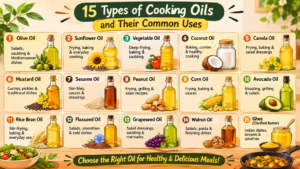
Discover different types of cooking oils and their common uses, including olive, sunflower, coconut, canola, and sesame oils for everyday cooking. Cooking oil is one of those kitchen essentials that people use almost every day without giving much thought to the type they choose. Whether you are frying chicken, preparing a homemade curry, baking a cake, or making a fresh salad, the oil you use can influence the flavor, texture, and overall quality of your food.
Walk through a grocery store, and you will find plenty of options, including olive oil, sunflower oil, coconut oil, canola oil, mustard oil, sesame oil, and many others. Each has its own characteristics, nutritional properties, and ideal cooking applications.
Understanding the different types of cooking oils and their common uses makes everyday cooking easier. It also helps you choose an oil that suits your recipe, cooking temperature, and dietary preferences. Some oils are excellent for deep-frying, while others are better for cold dishes or adding flavor to finished meals.
In this guide, we will explore popular cooking oils, explain how they differ, and discuss where each one works best.
What Are Cooking Oils?
Cooking oils are fats extracted from plant-based sources such as seeds, fruits, nuts, and grains. They are used to prepare food, prevent ingredients from sticking to cookware, improve texture, and add flavor to different recipes. Some cooking fats, such as ghee, come from animal-based products and are also widely used in kitchens.
Most cooking oils contain different combinations of saturated, monounsaturated, and polyunsaturated fats. Their composition influences their nutritional characteristics, flavor, and suitability for different cooking methods. For example, olive oil contains a considerable amount of monounsaturated fat, while sunflower oil is generally richer in polyunsaturated fat.
The right choice depends on what you are preparing. An oil that works wonderfully in a salad dressing may not be the most suitable option for repeated high-temperature frying.
Different Types of Cooking Oils and Their Common Uses
There is no single cooking oil that works perfectly for every recipe. Some have strong natural flavors, while others are almost tasteless. Here are the most popular varieties and how people commonly use them.
1. Olive Oil

Olive oil is produced by extracting oil from fresh olives and is particularly popular in Mediterranean cooking. It comes in several varieties, including extra virgin, virgin, and refined olive oil. Extra virgin olive oil has a distinctive fruity flavor and is commonly used for salad dressings, marinades, dips, and finishing dishes. It also works well for everyday sautéing and moderate-temperature cooking. Refined olive oil has a milder taste and is generally more suitable when a neutral flavor is preferred. If you enjoy preparing roasted vegetables, pasta, or homemade salads, olive oil can be a useful addition to your kitchen.
2. Sunflower Oil

Sunflower oil is extracted from sunflower seeds and is widely used for everyday cooking because of its light texture and mild flavor. It does not usually overpower the natural taste of other ingredients, making it suitable for a variety of recipes. Refined sunflower oil is commonly used for frying chicken, preparing vegetables, cooking rice, and making homemade snacks. It is also used in baking because it blends easily into cake and muffin mixtures. Different varieties have different fatty acid compositions, so checking the product label can help you understand whether you are buying conventional or high-oleic sunflower oil.
3. Vegetable Oil

Vegetable oil is a general name for cooking oils made from plant sources. Many supermarket varieties contain soybean oil, corn oil, canola oil, or a combination of different oils. Its main advantage is versatility. Most refined vegetable oils have a neutral taste, which makes them suitable for recipes where the natural flavor of the ingredients should remain noticeable. People commonly use vegetable oil for deep-frying potatoes, preparing fried chicken, baking cakes, making pancakes, and sautéing vegetables. It is also a practical option for households that need one multipurpose oil for several cooking tasks.
4. Coconut Oil

Coconut oil is extracted from the white flesh of mature coconuts and is available in virgin and refined varieties. Virgin coconut oil has a noticeable coconut aroma, while refined coconut oil usually has a more neutral flavor. It is commonly used in baking, desserts, certain curries, and recipes where a mild coconut taste complements the ingredients. Some people also use it for sautéing vegetables or preparing homemade snacks. However, coconut oil contains a relatively high amount of saturated fat, so it is sensible to use it in moderation rather than relying on it as the main everyday cooking oil.
5. Canola Oil

Canola oil is made from specially bred varieties of rapeseed. It has a light texture, neutral flavor, and a relatively high smoke point when refined. One reason it is popular is its fatty acid composition, which includes monounsaturated and polyunsaturated fats while containing relatively little saturated fat. Canola oil is commonly used for frying, baking, preparing salad dressings, and sautéing vegetables. Its mild flavor also makes it useful for homemade bread, muffins, pancakes, and other baked foods. If you want an everyday oil that does not significantly change the taste of your meals, canola oil is worth considering.
6. Mustard Oil

Mustard oil is extracted from mustard seeds and is especially popular in South Asian cooking. It has a strong, pungent aroma that gives traditional recipes a distinctive taste. In Pakistani, Indian, and Bangladeshi kitchens, it is commonly associated with fish preparations, vegetable dishes, pickles, marinades, and certain curries. Some traditional recipes call for heating the oil before adding other ingredients to reduce its sharp raw aroma. However, food regulations and permitted uses vary between countries, and some mustard oils are labeled for external use only. Always check the packaging and local food-safety guidance before using mustard oil in cooking.
7. Sesame Oil

Sesame oil is produced from sesame seeds and is commonly used in Asian cooking. It is available in light and toasted varieties, and the difference between them is important when choosing one for a recipe. Light sesame oil has a relatively mild flavor and can be used for cooking, while toasted sesame oil has a stronger nutty aroma that adds character to noodles, sauces, and stir-fried dishes. It is also popular in marinades and homemade dressings. Because toasted sesame oil has such a noticeable flavor, a small amount is often enough to improve the taste of an entire dish.
8. Peanut Oil

Peanut oil, also known as groundnut oil, is extracted from peanuts and is commonly used in different Asian cuisines. Refined peanut oil has a relatively high smoke point and a mild flavor, making it suitable for high-temperature cooking. It is often used for deep-frying chicken, preparing seafood, cooking vegetables, and making stir-fried meals. Unrefined peanut oil has a more noticeable nutty flavor and is sometimes used to add extra taste to particular recipes. People with peanut allergies should be careful, as different peanut oil products have different allergen profiles. Highly refined peanut oil is not the same as unrefined peanut oil.
9. Corn Oil

Corn oil is extracted from the germ of corn kernels and is commonly sold as a refined cooking oil. It has a mild flavor and contains a significant proportion of polyunsaturated fats. Its neutral taste makes it suitable for preparing foods without introducing a strong additional aroma. Common uses include deep-frying, baking, sautéing vegetables, preparing fried chicken, and making homemade sauces. Corn oil is also used in some packaged foods and commercial food preparation. When choosing it, consider the overall nutritional composition and the type of cooking you plan to do rather than focusing on smoke point alone.
10. Avocado Oil

Avocado oil is extracted from the flesh of avocados rather than their seeds. It is known for containing a high proportion of monounsaturated fats and has a mild, slightly buttery flavor. Refined avocado oil generally has a higher smoke point than unrefined varieties, which makes it useful for roasting, grilling, and pan-frying. Unrefined avocado oil is often chosen for salad dressings, dips, and cold dishes because it retains more of its natural flavor. Although it can be more expensive than common vegetable oils, it offers flexibility for people who enjoy preparing different types of meals.
11. Rice Bran Oil

Rice bran oil is made from the outer layer and germ of rice grains. It has a mild taste and is used in several Asian cuisines for everyday cooking. Refined rice bran oil generally has a relatively high smoke point, which makes it suitable for stir-frying and deep-frying. People also use it to prepare rice dishes, sauté meat, roast vegetables, and bake homemade foods. It contains a combination of unsaturated fats and naturally occurring minor compounds, although the amount retained depends on processing. Its neutral flavor is particularly useful when you want the ingredients in a recipe to remain the main focus.
12. Flaxseed Oil

Flaxseed oil, also called linseed oil, is extracted from flax seeds and is known for its plant-based omega-3 fatty acid called alpha-linolenic acid (ALA). Unlike oils commonly used for frying, flaxseed oil is sensitive to heat and is generally not recommended for high-temperature cooking. Instead, it is commonly added to salad dressings, smoothies, cold sauces, yogurt, and other dishes after cooking. Its slightly nutty flavor can complement vegetables and fresh salads. Because it can become rancid more easily than many other oils, it should be stored in a tightly sealed container according to the manufacturer’s instructions, usually in the refrigerator.

13. Grapeseed Oil
Grapeseed oil is extracted from the seeds of grapes, which are often left over from winemaking. It has a light texture and a relatively neutral flavor, so it can be used in recipes where you do not want the oil to change the overall taste. It is commonly used for sautéing vegetables, preparing salad dressings, making marinades, and pan-frying meat or fish. Grapeseed oil is relatively rich in polyunsaturated fats, particularly linoleic acid. Its versatility makes it useful in both home kitchens and professional food preparation, although it is not necessarily nutritionally superior to other unsaturated cooking oils.
14. Walnut Oil

Walnut oil is produced by pressing walnuts and is appreciated for its rich, nutty flavor. It contains polyunsaturated fats, including plant-based omega-3 ALA. Unlike some refined cooking oils, walnut oil is generally used for flavor rather than high-temperature cooking. It works particularly well in salad dressings, cold sauces, pasta dishes, and as a finishing oil for roasted vegetables. A small drizzle can add a pleasant nutty taste to an otherwise simple meal. Since walnut oil contains delicate fats, it is best stored carefully and used according to the manufacturer’s storage recommendations.
15. Ghee (Clarified Butter)

Ghee is made by heating butter to separate its water and milk solids, leaving behind a concentrated dairy fat. Although it is not technically a plant-based cooking oil, it is commonly included among cooking fats because of its widespread use in traditional kitchens. Ghee has a rich buttery flavor and is particularly popular in Pakistani and Indian cooking. It is commonly used for preparing biryani, curries, parathas, fried eggs, and traditional desserts. Its relatively high smoke point makes it useful for several cooking methods, but it contains a considerable amount of saturated fat, so moderate consumption is advisable.
How to Choose the Right Cooking Oil for Different Recipes
Choosing the right oil is not just about picking whatever bottle is available in the kitchen. It is worth considering the cooking method, temperature, flavor, and nutritional properties before making a choice. For example, extra virgin olive oil can add a pleasant taste to a fresh salad, while refined sunflower or canola oil may be more practical for frying. If you are preparing a traditional curry, mustard oil or ghee may provide the familiar flavor you want. The best option is one that complements your food and suits the way you prepare it.
Understanding the Smoke Point of Cooking Oils
The smoke point is the temperature at which an oil begins to produce visible smoke. When an oil is heated beyond this point, it can break down, develop unpleasant flavors, and produce unwanted compounds. Refined oils generally have higher smoke points than their unrefined counterparts because processing removes certain impurities and compounds. However, smoke point is not the only factor that matters when selecting cooking oil. Fat composition, freshness, cooking duration, and how frequently the oil is reused are also important considerations.
Which Cooking Oils Are Suitable for Everyday Use?
Oils rich in unsaturated fats, such as olive, canola, and sunflower oil, can be useful choices for regular cooking. They offer different flavors and nutritional profiles, allowing you to select according to your recipes. Olive oil works well in salads and many cooked dishes, while canola and sunflower oils have mild flavors that suit a wider range of meals. Instead of depending on one type of oil for everything, you can keep two or three varieties for different cooking purposes.
Health and Nutrition: What to Know About Cooking Oils
Cooking oils provide concentrated energy because fats contain approximately nine calories per gram. However, their nutritional value differs according to the types of fatty acids they contain. Monounsaturated and polyunsaturated fats are generally preferred over large amounts of saturated fats when considering overall heart health. Oils such as olive, canola, and sunflower contain different amounts of these fats. Coconut oil and ghee, on the other hand, contain considerably more saturated fat. A balanced diet should consider total fat intake, portion sizes, and the foods prepared with each oil rather than treating any single cooking oil as a miracle health product.
Common Mistakes to Avoid When Using Cooking Oils
One common mistake is heating oil until it starts smoking, even when the recipe does not require such a high temperature. Another is repeatedly reusing frying oil, which can cause it to deteriorate and develop unpleasant odors. Storing oil beside a hot stove or in direct sunlight can also reduce its freshness over time. It is better to keep cooking oils in tightly closed containers in a cool, dark place and follow the storage instructions on their labels. Using the correct amount of oil and choosing one that suits your cooking method can make a noticeable difference in everyday food preparation.
How to Store Cooking Oils Properly
Proper storage helps maintain the flavor and quality of cooking oils. Heat, light, and exposure to air can speed up oxidation, which may cause an oil to develop an unpleasant smell or taste. Most everyday cooking oils should be kept in tightly sealed bottles or containers away from direct sunlight and heat sources. More delicate oils, such as flaxseed and walnut oil, may require refrigeration after opening. Always check the packaging for specific storage instructions and avoid using oil that smells rancid or shows other signs of spoilage.
Conclusion
Understanding the different types of cooking oils and their common uses can help you make better decisions in the kitchen. Every oil has its own characteristics, whether it is the fruity flavor of olive oil, the nutty aroma of sesame oil, or the strong taste of mustard oil. Some varieties are more suitable for frying, while others work better in salad dressings, baking, and traditional recipes.
You do not need to buy every type of cooking oil available. Start with a few practical options that match your cooking habits, pay attention to their nutritional properties, and store them properly. With a little knowledge, choosing the right oil for your next meal becomes much easier.
Frequently Asked Questions About Different Types of Cooking Oils
1. What are the most common types of cooking oils?
Olive oil, sunflower oil, vegetable oil, coconut oil, canola oil, mustard oil, sesame oil, peanut oil, and corn oil are among the most commonly used cooking oils. Each has different flavor characteristics and cooking applications.
2. Which cooking oil is best for deep-frying?
Refined sunflower oil, peanut oil, canola oil, and rice bran oil are commonly used for deep-frying because they generally have relatively high smoke points. The choice also depends on flavor, availability, and the temperature required by the recipe.
3. Which cooking oil is best for salad dressings?
Extra virgin olive oil is one of the most popular choices for salad dressings because of its fruity flavor and smooth texture. Walnut oil, grapeseed oil, and flaxseed oil are other options that can add different flavors to fresh salads.
4. What is the difference between refined and unrefined cooking oil?
Refined cooking oils undergo additional processing to remove certain impurities, odors, and flavors. They generally have a more neutral taste and may tolerate higher cooking temperatures. Unrefined oils usually retain more of their natural flavor and aroma, making them popular for dressings and finishing dishes.
5. Can I use olive oil for frying?
Yes, olive oil can be used for frying and sautéing. Refined olive oil is particularly suitable for higher-temperature cooking, while extra virgin olive oil works well for moderate-temperature cooking and many everyday recipes. Avoid heating any oil until it begins smoking.
Read also: Different Types of Rice and Their Uses in Cooking
Pingback: Best Herbs and Spices for Adding Flavor to Homemade Meals