Anti-Inflammatory Grocery List Healthy Foods to Buy Every Week
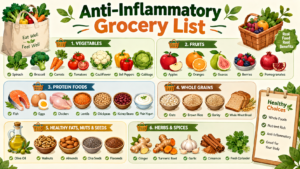
An anti-inflammatory grocery list is a collection of foods that support a balanced eating pattern associated with healthy inflammatory responses in the body. It typically includes colorful fruits and vegetables, whole grains, beans, lentils, nuts, seeds, fish, and unsaturated fats. Rather than relying on one special ingredient, this approach focuses on dietary variety, fiber, healthy fats, and minimally processed foods that you can enjoy regularly.
Why Does an Anti-Inflammatory Diet Matter?
Inflammation is not always harmful. Your body uses it to defend itself against infections and help damaged tissues heal. The concern is persistent, low-grade inflammation, which is associated with conditions such as cardiovascular disease, type 2 diabetes, and some other chronic illnesses. A healthy dietary pattern may help support metabolic health and reduce certain risk factors, although food alone cannot prevent or treat every inflammatory condition.
An eating pattern similar to the Mediterranean diet is often recommended because it emphasizes vegetables, fruits, legumes, whole grains, nuts, fish, and olive oil. You do not have to follow a strict Mediterranean menu to benefit from these principles. You can adapt them to familiar foods, traditional recipes, your budget, and your family’s preferences.
Complete Anti-Inflammatory Grocery List
1. Fresh Vegetables
Vegetables are among the most useful items to include on your shopping list because they provide fiber, vitamins, minerals, and various plant compounds. Broccoli, spinach, carrots, tomatoes, cabbage, bell peppers, cauliflower, and leafy greens are practical choices for everyday meals. Buy a mixture of colors and select vegetables you genuinely enjoy, because a variety you will actually eat is more useful than an expensive selection that goes to waste.
2. Fruits Rich in Antioxidants
Fruits supply vitamins, fiber, and naturally occurring compounds that support general health. Apples, oranges, guavas, berries, pomegranates, grapes, and seasonal fruits are good options for a varied grocery basket. Fresh, frozen, and unsweetened canned fruit can all work, depending on availability and price. Whole fruit is generally a better everyday choice than fruit juice because it retains more fiber and is usually more filling.
3. Fatty Fish and Other Protein Sources
Salmon, sardines, mackerel, and other oily fish provide omega-3 fatty acids, which have important roles in normal body function and may help regulate inflammatory processes. If these fish are expensive or difficult to find, choose affordable local fish when available. Eggs, chicken, lentils, chickpeas, kidney beans, and plain yogurt also provide protein and can help make meals satisfying. Including a mixture of animal and plant protein sources adds variety without making grocery shopping complicated.
4. Whole Grains and High-Fiber Foods
Oats, brown rice, barley, whole-wheat bread, and whole-wheat flour are useful pantry staples for an anti-inflammatory eating pattern. Their fiber supports digestive health and helps feed beneficial gut bacteria. You can use oats for breakfast, whole-wheat roti with lunch or dinner, and brown rice or barley as alternatives to refined grains. You do not have to avoid white rice or other refined grains completely; simply make whole grains a regular part of your diet when practical.
5. Nuts and Seeds
Walnuts, almonds, chia seeds, flaxseeds, and pumpkin seeds provide a combination of healthy fats, fiber, and other nutrients. Walnuts and flaxseeds are particularly useful plant sources of omega-3 fatty acids, although the body converts plant-based alpha-linolenic acid into the longer-chain omega-3 fats found in fish only to a limited extent. Choose plain or lightly salted varieties when possible, and remember that a small handful of nuts or a spoonful of seeds is usually enough to add nutritional value to a meal.
6. Healthy Cooking Oils
Extra virgin olive oil is a common feature of Mediterranean-style eating and contains monounsaturated fats and naturally occurring plant compounds. It works well in salad dressings, vegetable dishes, and many everyday recipes. Other unsaturated oils, such as canola oil, can also fit into a balanced diet. The important point is to use cooking oils in reasonable amounts and avoid making deep-fried foods a daily habit, rather than assuming that one particular oil can prevent inflammation on its own.
7. Beans, Lentils, and Legumes
Beans and lentils are affordable grocery staples that offer protein, fiber, and several important minerals. Masoor dal, moong dal, chickpeas, black beans, and kidney beans can be used in soups, curries, salads, and grain bowls. Dried legumes are often economical, while canned options can save time. If you choose canned beans, look for varieties without added sugar and consider rinsing them to reduce some of the sodium.
8. Herbs and Spices
Ginger, garlic, turmeric, cinnamon, black pepper, coriander, and other culinary spices can add flavor to meals without requiring excessive salt or heavy sauces. Turmeric and ginger contain compounds that have been studied for their biological effects, but the results of research on concentrated supplements should not be confused with proof that ordinary servings treat a medical condition. Use these ingredients as part of your regular cooking rather than relying on them as a cure for inflammation.
9. Dairy and Dairy Alternatives
Plain yogurt, milk, and other suitable dairy products can provide protein, calcium, and additional nutrients. Unsweetened, calcium-fortified soy milk is another option for people who avoid dairy. You do not automatically need to eliminate dairy foods to follow an anti-inflammatory eating pattern. Choose products that suit your nutritional needs and preferences, and check added-sugar content when buying flavored yogurt or plant-based drinks.
10. Healthy Drinks
Water should remain your main everyday drink. Unsweetened green tea and other unsweetened teas can add variety, while coffee can also fit into a balanced diet for many adults. You do not need to buy expensive detox drinks, juice cleanses, or special powders to eat well. Staying hydrated and limiting sugary beverages are more practical habits than relying on drinks advertised as inflammation remedies.
Foods to Limit on Your Anti-Inflammatory Shopping List
An anti-inflammatory diet is not about labeling every food as good or bad. Instead, it encourages you to make nutrient-rich foods the foundation of your meals while limiting foods that are easy to overconsume and provide little nutritional value.
1. Sugary Drinks and Excess Added Sugar
Soda, sweetened energy drinks, heavily sweetened tea, and frequent sugary desserts can add substantial amounts of sugar to your diet. You do not have to eliminate every sweet food, but choosing water more often and reducing added sugar can support overall health. When shopping, check drink labels and compare the amount of added sugar between products.
2. Processed Meats
Bacon, sausages, hot dogs, and many deli meats are worth limiting, especially when they replace beans, fish, poultry, or other less-processed protein sources on a regular basis. These products can contain substantial sodium, and frequent processed-meat consumption is associated with several health concerns. Try keeping them for occasional meals rather than making them everyday staples.
3. Deep-Fried Foods
Frequent consumption of deep-fried foods can make it harder to maintain a balanced diet, particularly when portions are large and the foods are high in calories and sodium. You can still enjoy your favorite fried dishes occasionally. For everyday cooking, try baking, grilling, steaming, or lightly sautéing vegetables and protein foods instead.
4. Highly Processed Snacks
Chips, packaged pastries, candy, and some sweet biscuits are often high in salt, added sugar, or saturated fat. They do not all have the same nutritional profile, so reading labels is more useful than judging a food by its packaging alone. Keep convenient alternatives such as fruit, plain yogurt, roasted chickpeas, or unsalted nuts available when you want a snack.
5. Excessive Refined Grains
White bread, many pastries, and other refined-grain foods can be lower in fiber than whole-grain alternatives. You do not need to remove all refined grains from your kitchen. Instead, replace some servings with oats, whole-wheat roti, barley, or whole-grain bread to increase fiber intake gradually.
Budget-Friendly Anti-Inflammatory Grocery Shopping Tips
Eating well does not have to be expensive. Start with seasonal vegetables and fruits, which are often cheaper than imported produce, and build meals around lentils, chickpeas, beans, oats, and other affordable staples. Frozen vegetables and fruit can be useful when fresh options cost more or spoil quickly. Plan several meals before shopping, compare unit prices, and buy only quantities your household can realistically use. You can also save money by choosing locally available fish, using nuts and seeds in modest portions, and treating olive oil or specialty products as optional rather than essential purchases.
How to Organize Your Weekly Grocery List
A well-organized grocery list makes shopping faster and reduces the chance of forgetting important ingredients. Divide your list into produce, protein, grains, dairy or alternatives, healthy fats, and pantry staples. Before leaving home, check what you already have in your cupboards and refrigerator. Choose a few meals that share ingredients, such as spinach for eggs and lentil curry or carrots for soup and roasted vegetables. This simple habit can help reduce food waste and make healthy meals easier to prepare on busy days.
A Simple Seven-Day Anti-Inflammatory Meal Plan
Day 1
Start with oatmeal topped with apple and walnuts, enjoy lentil dal with whole-wheat roti and cucumber at lunch, and prepare baked fish with vegetables for dinner. This combination provides fiber, protein, and healthy fats without requiring specialty ingredients.
Day 2
Have eggs with whole-wheat toast for breakfast, chickpea salad with tomatoes and greens for lunch, and chicken with brown rice and broccoli for dinner. Choose a piece of seasonal fruit if you need a snack between meals.
Day 3
Prepare plain yogurt with oats and fruit for breakfast, vegetable and lentil soup for lunch, and a bean curry with whole-wheat roti for dinner. Add ginger, garlic, and coriander to give the meals plenty of flavor.
Day 4
Enjoy an omelet with spinach and tomatoes in the morning, leftover bean curry or chickpea salad at lunch, and grilled local fish with vegetables and rice in the evening. Using leftovers can save both money and cooking time.
Day 5
Make oatmeal with banana and ground flaxseeds for breakfast, chicken and vegetable soup for lunch, and a chickpea and vegetable curry for dinner. Choose water or unsweetened tea instead of a sugary drink.
Day 6
Have plain yogurt with fruit and nuts for breakfast, lentils with whole-wheat roti for lunch, and roasted chicken with carrots, cauliflower, and brown rice for dinner. Adjust portions according to your appetite and individual nutritional needs.
Day 7
Use any remaining vegetables in an omelet or soup, serve a mixed-bean salad or dal for lunch, and prepare a simple whole-grain meal with vegetables and your preferred protein for dinner. A flexible final day helps use up groceries before the next shopping trip.
Common Mistakes to Avoid
One common mistake is spending too much money on foods marketed as superfoods while overlooking affordable basics such as lentils, cabbage, oats, and seasonal fruit. Another is removing entire food groups without a clear medical reason, which can make a diet harder to maintain and potentially reduce nutritional variety. Some people also expect quick results from turmeric drinks, supplements, or a strict meal plan. In reality, dietary patterns work over time, and their effects depend on many factors, including overall health, sleep, physical activity, and medical conditions.
It is also important not to confuse an anti-inflammatory diet with a treatment for an inflammatory disease. If you have persistent joint pain, unexplained swelling, digestive symptoms, or another ongoing health concern, speak with a qualified healthcare professional rather than relying on food changes alone.
Conclusion
Building an anti-inflammatory grocery list is less about buying a perfect collection of foods and more about making everyday meals a little more nutritious. Start with vegetables, fruits, whole grains, legumes, and affordable protein sources, then add nuts, seeds, fish, and healthy oils when they fit your budget. Keep highly processed foods and sugary drinks for less frequent occasions, and focus on habits you can maintain.
You do not need to change everything in one shopping trip. Begin with a few practical swaps, prepare meals you already enjoy, and gradually build a grocery routine that works for your household. Consistency, variety, and an overall balanced diet matter far more than any single ingredient.
Frequently Asked Questions
1. What foods should be on an anti-inflammatory grocery list?
Include leafy greens, colorful vegetables, whole fruits, oats, whole grains, beans, lentils, nuts, seeds, fish, and unsaturated oils. These foods provide fiber, essential nutrients, and beneficial fats that support a balanced eating pattern.
2. What is the best breakfast for an anti-inflammatory diet?
Oatmeal with fruit and nuts, eggs with whole-wheat toast, or plain yogurt with berries and seeds are practical choices. The best breakfast is one you enjoy and can prepare consistently while meeting your nutritional needs.
3. Are eggs allowed on an anti-inflammatory diet?
Yes, eggs can fit into a balanced anti-inflammatory eating pattern. They provide protein and several nutrients. Pairing eggs with vegetables and whole grains can create a satisfying meal with more dietary variety.
4. Are potatoes inflammatory?
Potatoes are not automatically inflammatory. They provide carbohydrates, potassium, and other nutrients. Boiled, baked, or lightly roasted potatoes can fit into a balanced diet, while frequent consumption of heavily salted, deep-fried potatoes may be less helpful for overall health.
5. Can an anti-inflammatory diet help with joint pain?
A balanced eating pattern may support overall health and could be helpful as part of managing some conditions, but its effects on joint pain vary. It cannot replace diagnosis, medication, or other treatment recommended by a healthcare professional.
6. Is an anti-inflammatory grocery list expensive?
It does not have to be. Seasonal produce, oats, lentils, beans, eggs, and locally available fish can provide affordable options. Frozen vegetables and fruit may also be economical, especially when fresh produce is expensive or difficult to store.
7. How long does it take for an anti-inflammatory diet to work?
There is no single timeline. The effects depend on your starting diet, health status, and the outcome being measured. Some improvements in dietary quality can begin immediately, but changes in symptoms or long-term health markers vary and should not be guaranteed.
Read also: Seasonal Fruits and Vegetables to Buy at the Grocery Store