Essential Spices Every Kitchen Should Have for Daily Cooking
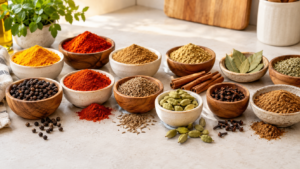
The essential spices every kitchen should have, from black pepper and cumin to turmeric and cinnamon, for flavorful everyday meals. Cooking at home becomes much easier when you have the right spices within reach. A simple bowl of rice, a pot of lentils, roasted vegetables, or homemade chicken can taste completely different with just a pinch of the right seasoning. You do not need an expensive collection or dozens of unfamiliar ingredients to make delicious meals. A few reliable spices can help you add warmth, aroma, color, and flavor to almost anything you cook.
Knowing the essential spices every kitchen should have is particularly helpful if you are setting up your first kitchen, trying to cook more meals at home, or organizing a crowded spice cabinet. Instead of buying every spice you see at the grocery store, start with versatile options that work in several recipes. This guide explains which spices are worth keeping, how to use them, and how to store them so they stay fresh for longer.
Why Every Kitchen Needs a Basic Spice Collection
Spices are small ingredients that can make a noticeable difference in everyday cooking. They help turn simple ingredients into flavorful meals without requiring complicated recipes or expensive sauces. For example, cumin and coriander can give lentils an earthy flavor, while black pepper and garlic powder can make roasted potatoes more savory. Keeping a few dependable seasonings nearby also makes it easier to experiment with recipes and adjust flavors to suit your preferences.
A basic spice collection can save time, too. When you already have the ingredients needed for a simple seasoning blend, there is less reason to buy a packaged mix for every meal. You can also control the amount of salt, heat, and other ingredients in your food. The best collection is not necessarily the largest one; it is the one that matches the meals you cook most often.
15 Essential Spices Every Kitchen Should Have
The following spices are useful for everyday cooking, from traditional curries and rice dishes to pasta, soups, baked goods, and roasted vegetables. You can start with a few favorites and gradually add more as your cooking habits develop.
1. Black Pepper
Black pepper is one of the most versatile seasonings you can keep in your kitchen. Its sharp, slightly woody flavor works with eggs, chicken, fish, vegetables, soups, sauces, and salads. You can use ground black pepper for quick seasoning or keep whole peppercorns in a grinder for a fresher aroma. It is especially useful when a dish needs a little extra flavor without adding overwhelming heat.
2. Red Chili Powder
Red chili powder is a staple in many South Asian kitchens because it adds heat, color, and a stronger flavor to everyday dishes. It works well in curries, lentils, marinades, vegetable preparations, and meat recipes. Different varieties have different heat levels, so it is worth checking the type you buy. If you prefer milder food, begin with a small amount and increase it gradually instead of adding too much at once.
3. Turmeric
Turmeric is known for its bright golden-yellow color and earthy flavor. It is commonly used in rice dishes, lentils, vegetable curries, soups, and many traditional recipes. A small amount can give food a warm color without changing the overall taste too much. Turmeric has a strong color, so use it carefully to avoid staining countertops, cutting boards, or light-colored clothing.
4. Cumin
Cumin has a warm, earthy flavor with a slightly nutty aroma that becomes more noticeable when heated. Ground cumin is convenient for seasoning beans, chicken, soups, curries, and roasted vegetables. Whole cumin seeds are equally useful because they release their aroma when briefly heated in oil. If you frequently cook rice, lentils, or vegetable dishes, keeping both forms can give you more flexibility.
5. Coriander Powder
Coriander powder is made from ground coriander seeds and has a mild, earthy flavor with subtle citrus-like notes. It pairs well with cumin, turmeric, chili powder, and other seasonings, making it especially useful for curries, chickpeas, lentils, and vegetable dishes. Unlike some stronger spices, coriander powder blends into a recipe without dominating the other ingredients. It is an excellent choice for everyday home cooking.
6. Paprika
Paprika is made from ground red peppers and is available in sweet, hot, and smoked varieties. Sweet paprika adds a gentle pepper flavor and attractive color, while smoked paprika gives food a deeper, smoky taste. You can use it on roasted potatoes, chicken, eggs, soups, and grilled vegetables. It is particularly useful when you want a richer-looking dish without adding much heat.
7. Garlic Powder
Garlic powder offers a convenient way to add savory garlic flavor without peeling or chopping fresh cloves. It works well in marinades, burger patties, pasta sauces, salad dressings, roasted vegetables, and homemade seasoning blends. Because it is concentrated, a small amount is usually enough to start. Garlic powder is especially practical on busy days when you want a flavorful meal without spending extra time preparing ingredients.
8. Onion Powder
Onion powder provides a mild, savory sweetness that complements garlic powder, black pepper, and paprika. It is useful in soups, sauces, meatballs, burgers, vegetable dishes, and dry rubs. Fresh onions remain valuable for their texture and natural sweetness, but onion powder is a convenient backup when you need quick flavor. Keeping it beside garlic powder makes preparing a simple all-purpose seasoning much easier.
9. Cinnamon
Cinnamon brings a warm, sweet aroma to oatmeal, porridge, baked goods, desserts, tea, and coffee. It can also be used in selected savory dishes, including spiced rice and certain meat recipes. Ground cinnamon is easy to measure and mix into recipes, while cinnamon sticks work well for slowly infusing flavor into drinks and simmering dishes. Since cinnamon has a distinctive taste, a small amount is often enough.
10. Cardamom
Cardamom has a fragrant, slightly sweet flavor that is popular in South Asian, Middle Eastern, and other regional cuisines. Green cardamom is especially useful for tea, coffee, rice pudding, desserts, and aromatic rice dishes. You can add whole pods to simmering liquids or open them to release the seeds for a stronger flavor. If you regularly prepare chai or festive rice, cardamom is a useful addition to your spice cabinet.
11. Cloves
Cloves have a strong, warm aroma with sweet and slightly bitter notes. They are commonly used in spiced tea, rice dishes, broths, marinades, and slow-cooked meals. Whole cloves are particularly convenient because you can remove them before serving. Their flavor can quickly become overpowering, so use only a few when a recipe calls for them. They are worth keeping if you enjoy aromatic dishes and traditional spice combinations.
12. Bay Leaves
Bay leaves provide a subtle herbal aroma that develops gradually during cooking. They are often added to soups, stews, stocks, beans, and rice dishes, especially when the ingredients need time to simmer. Whole dried leaves are usually added at the beginning of cooking and removed before the meal is served. They are not intended to be eaten whole, but they can contribute a pleasant background flavor to many slow-cooked recipes.
13. Oregano
Oregano is a dried herb rather than a spice in the strict botanical sense, but it deserves a place in a practical kitchen seasoning collection. Its earthy, slightly peppery flavor works well in pizza, pasta sauce, roasted vegetables, chicken, and Mediterranean-style meals. It pairs naturally with garlic, black pepper, and paprika. If you enjoy homemade pizza or simple tomato-based dishes, dried oregano is an easy ingredient to use regularly.
14. Mustard Seeds
Mustard seeds are small but flavorful ingredients used in many traditional cuisines. Depending on the variety, they can provide a mild nuttiness or a sharper, more pungent taste. Heating them briefly in oil releases their aroma and makes them useful in vegetable dishes, lentils, pickles, and curries. Black, brown, and yellow mustard seeds have different flavor strengths, so choose the type that best suits your usual recipes.
15. Garam Masala
Garam masala is a spice blend commonly used in South Asian cooking. Its exact ingredients vary, but it often includes warming spices such as cumin, coriander, cardamom, cloves, cinnamon, and black pepper. It adds depth to chicken, chickpeas, lentils, vegetable curries, and other savory dishes. Because the blend is already flavorful, start with a small amount and adjust to taste. Adding it near the end of cooking can help preserve its aroma.
Best Spices for Different Types of Cooking
The easiest way to build a useful spice collection is to think about the foods you prepare most often. Some seasonings are ideal for savory everyday meals, while others are more useful for baking, aromatic rice, or international recipes. Choosing spices based on your cooking habits helps prevent unnecessary purchases and makes your pantry more practical.
Spices for Everyday Meals
Black pepper, garlic powder, onion powder, paprika, cumin, and chili powder are excellent choices for everyday meals. They work with common ingredients such as eggs, chicken, potatoes, beans, rice, and vegetables. You can combine them in different proportions to create simple seasoning blends without needing a separate packaged product for every recipe.
Spices for Rice and Curry Dishes
Cumin, coriander powder, turmeric, cardamom, cloves, bay leaves, and garam masala are useful for many rice and curry recipes. Their flavors range from earthy and mild to warm and aromatic, allowing you to create different combinations. You do not need to use all of them in one dish; choosing two or three that complement the ingredients is often enough.
Spices for Baking and Desserts
Cinnamon and cardamom are useful for sweet recipes, including cakes, cookies, oatmeal, rice pudding, and homemade drinks. Ground ginger and nutmeg can be added later if you frequently bake or prepare spiced desserts. Buying these ingredients in small quantities is sensible because you may not use them as often as your everyday savory seasonings.
Spices for Grilling and Roasting
Paprika, black pepper, garlic powder, onion powder, cumin, and oregano are excellent for grilled chicken, roasted potatoes, vegetables, and other oven-cooked meals. Combine them with a little oil and your preferred amount of salt to make a simple seasoning mixture. For a smoky flavor, choose smoked paprika; for extra heat, add chili powder.
How to Build a Basic Spice Collection on a Budget
You do not have to buy all 15 spices at once. If you are new to cooking or trying to reduce grocery expenses, start with black pepper, chili powder, turmeric, cumin, coriander powder, garlic powder, cinnamon, and garam masala. These cover a wide range of everyday recipes and give you a useful foundation without taking up too much storage space.
Buy small containers of spices you use occasionally, and consider larger packages only for ingredients you go through regularly. Compare prices by weight rather than judging a product by its container size. It is also worth checking the freshness and aroma of spices you already own before replacing them. A well-organized collection of eight useful seasonings is more practical than a cabinet full of ingredients that rarely make it into your meals.
How to Store Spices and Keep Them Fresh
Proper storage helps preserve the flavor and aroma of your seasonings. Keep spices in clean, airtight containers in a cool, dry cupboard away from direct sunlight, steam, and the heat of the stove. Avoid shaking containers directly over a steaming pot because moisture can enter the jar and affect the quality of the contents. Use a dry spoon whenever possible, and label containers clearly so you can identify them quickly.
Whole spices generally retain their flavor longer than ground spices because less of their surface area is exposed to air. Ground spices gradually lose their aroma, although they may remain usable after their strongest flavor has faded. Rather than relying on a single expiration date, check for changes in smell, color, texture, or signs of moisture and mold. Replace spices when they no longer provide the flavor your recipes need, and discard any that show signs of spoilage.
Common Mistakes to Avoid When Using Spices
One common mistake is adding too much seasoning before tasting the food. Strong spices such as cloves, chili powder, and garam masala can quickly dominate a recipe, so begin with a modest amount and adjust as needed. Another mistake is storing spices beside the stove, where repeated exposure to heat and moisture can shorten their useful life. Buying more than you can reasonably use is also wasteful, particularly with spices that appear in only a few recipes.
It is equally important to remember that different spices serve different purposes. Cinnamon may work beautifully in a sweet breakfast, while cumin is better suited to savory meals. Some spices are best added early to allow their flavors to develop, while delicate ground blends may benefit from being added closer to the end. Following the recipe at first and experimenting gradually will help you learn how each ingredient behaves.
Conclusion
Building a useful spice cabinet does not require a long shopping list or a large budget. The essential spices every kitchen should have are the ones that make your usual meals easier, tastier, and more enjoyable to prepare. Start with versatile seasonings such as black pepper, cumin, turmeric, chili powder, coriander, and garlic powder, then add aromatic spices and dried herbs as your cooking interests grow.
The goal is to create a collection that works for your kitchen, not to own every spice available at the supermarket. With a few reliable ingredients, good storage habits, and a willingness to experiment, even simple home-cooked meals can become more flavorful.
Frequently Asked Questions
1. What are the most essential spices every kitchen should have?
Black pepper, red chili powder, turmeric, cumin, coriander powder, garlic powder, cinnamon, and garam masala are excellent starting points. They provide a versatile foundation for everyday meals, especially if you regularly prepare rice, vegetables, lentils, chicken, and curries.
2. How many spices should a beginner keep in the kitchen?
A beginner can start with six to eight versatile spices and expand the collection gradually. Choose ingredients that match your favorite recipes rather than purchasing a large assortment that may go unused.
3. What spices are used most often in everyday cooking?
Black pepper, cumin, garlic powder, onion powder, paprika, and chili powder are widely useful for savory dishes. The most common choices depend on regional cuisine and personal cooking habits.
4. Which spices are best for rice and curry?
Cumin, turmeric, coriander powder, cardamom, cloves, and garam masala are useful for many rice and curry recipes. The best combination depends on the dish, since not every recipe requires every spice.
5. How long do spices stay fresh?
Ground spices generally retain their best flavor for around six months to two years, depending on the spice and storage conditions. Whole spices often retain their quality longer. Check their aroma and appearance, and discard any that show signs of moisture or mold.
Pingback: seasonal fruits and vegetables to buy at the grocery store