Non-Stick Frying Pan Set Induction Base
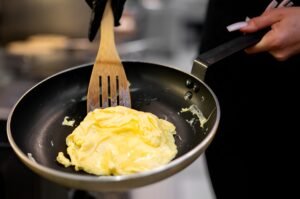
A Non-Stick Frying Pan Set Induction Base works on compatible induction cooktops and helps prevent food from sticking. With different pan sizes, you can easily cook eggs, pancakes, and family meals while enjoying easier cleanup.
The main advantage is convenience. You can use less cooking oil for many everyday recipes, turn food more easily, and spend less time scrubbing the pan afterward. However, the quality of the cooking surface and the magnetic base matters just as much as the number of pans included in the package.
Why Choose a Non-Stick Frying Pan Set for an Induction Cooktop?
An induction cooktop heats cookware through a magnetic field rather than relying on a traditional flame or a heated electric element. This makes the base of the pan especially important. A compatible non-stick frying pan set lets you enjoy the convenience of induction cooking without giving up the easy food release associated with non-stick cookware.
Another benefit is having several pan sizes available for different meals. A small pan is useful for eggs and quick snacks, while a medium or large pan works better for vegetables, fish, chicken, and other everyday dishes. Instead of using one oversized pan for everything, you can select the size that fits the portion and cooking task.
Key Features to Look for in a Non-Stick Frying Pan Set Induction Base
1. Induction-Compatible Magnetic Base
The first thing to check is whether the frying pans are specifically labeled as induction-compatible. Their bases must contain magnetic material, usually stainless steel or another suitable magnetic metal, to work properly on an induction cooktop. A simple test is to place a magnet against the underside of the pan. If it sticks firmly, the pan is generally suitable for induction, although the manufacturer’s compatibility information should still be checked. A flat, well-made base is also important because it helps the pan sit securely on the cooking zone.
2. Durable Non-Stick Coating
The coating affects how comfortably you can cook and clean your pans. Traditional PTFE-based coatings are popular because they offer excellent food release when used correctly, while ceramic non-stick coatings are another option for shoppers who prefer that type of surface. Neither coating is automatically better in every situation. Quality, manufacturing, temperature control, and maintenance all influence performance. Look for clear product information about the coating and follow the manufacturer’s instructions for safe use and care.
3. Heat Distribution and Base Thickness
A good frying pan should heat evenly enough to help you cook food without constantly moving it around to avoid hot spots. Many induction-compatible pans use a layered or bonded base that combines magnetic stainless steel with aluminum or other conductive materials. This design helps distribute heat more evenly across the cooking surface. A thicker, well-constructed base can also improve stability, but thickness alone does not guarantee better performance. The pan’s overall design and construction are equally important.
4. Comfortable and Secure Handles
Handles may seem like a small detail, but they make a noticeable difference when you’re cooking regularly. Look for handles that feel comfortable in your hand, provide a secure grip, and remain reasonably cool during normal stovetop use. Riveted or securely attached handles can offer a reassuring feel, although the attachment design and overall quality matter more than one feature alone. If you want to transfer pans into the oven, check the maximum oven-safe temperature for the entire pan, including its handle and coating.
5. Practical Pan Sizes
A useful set should include sizes that match your everyday meals rather than simply offering the largest number of pieces. A small frying pan is ideal for eggs, toasted sandwiches, and individual portions. A medium pan works well for pancakes, vegetables, and quick lunches, while a larger pan gives you more room for family-sized portions. Before purchasing, check the actual diameter of each pan and whether the set includes lids. A three-pan set with useful sizes can be more practical than a larger collection of pieces you rarely use.
Different Types of Non-Stick Induction Frying Pans
PTFE-Coated Non-Stick Frying Pans
PTFE-coated pans are widely used because their smooth cooking surfaces help food release easily. They are especially convenient for cooking eggs, pancakes, fish, and other foods that can stick to an ordinary pan. To keep the coating in good condition, avoid overheating an empty pan, use low to medium heat for most cooking, and choose utensils that will not scratch the surface. PTFE cookware should never be used in ways that exceed the manufacturer’s temperature limits.
Ceramic-Coated Induction Frying Pans
Ceramic-coated frying pans offer another type of non-stick cooking surface. They are often marketed for their smooth finish and easy cleaning, and some shoppers prefer them as an alternative to conventional PTFE coatings. However, ceramic non-stick performance can decline with repeated use, especially when the pan is exposed to excessive heat or abrasive cleaning. Read the manufacturer’s specifications carefully rather than assuming that every ceramic-coated pan is more durable or safer than every other option.
Stainless Steel Pans With a Non-Stick Interior
Some induction frying pans combine a stainless steel exterior or magnetic base with a non-stick cooking surface. This construction can offer the compatibility needed for induction cooking alongside the convenience of easier food release. The important distinction is that stainless steel on the outside does not necessarily mean the cooking surface is stainless steel. Check the product description to understand the materials used in the base, body, and interior coating.
How to Choose the Right Pan Set for Your Kitchen
Consider Your Daily Cooking Habits
Think about the meals you prepare most often before choosing a set. If you mainly cook eggs, pancakes, and light breakfasts, a smaller set with a reliable non-stick surface may be all you need. If you regularly prepare meals for several people, look for a larger frying pan that provides enough cooking space without crowding the food. Choosing cookware around your actual routine is usually more useful than paying extra for pieces you won’t use.
Check Your Induction Cooktop Compatibility
Not every frying pan works on every stove, so verify that the set is designed for induction cooking. Check the recommended minimum pan diameter because some cooktops may not detect very small pans. The bottom should also sit flat on the cooking zone, and the pan should be compatible with the manufacturer’s guidance for your particular appliance. If you are replacing older cookware, don’t assume that a pan will work on induction simply because it worked on gas or a conventional electric stove.
Compare the Total Value of the Set
Price matters, but it shouldn’t be the only deciding factor. Compare the number of pans, their diameters, coating details, handle construction, warranty, and cleaning instructions. A lower-priced set may be suitable for occasional cooking, while a better-constructed set may be worth the additional cost for frequent use. Also check whether the product listing includes lids or other accessories, since photographs can sometimes make a package look more complete than it actually is.
Look for Clear Manufacturer Information
Reliable product listings should explain the materials, induction compatibility, care instructions, and any oven-safe limitations. If a seller makes broad claims such as scratch-proof, completely non-toxic, or lifetime non-stick performance without supporting details, approach those claims cautiously. A transparent description makes it easier to understand what you’re buying and what the cookware can realistically deliver.
How to Use a Non-Stick Frying Pan on an Induction Stove
Using a non-stick pan on induction is straightforward once you understand how quickly the cooktop can heat the cookware. Place the pan on a compatible cooking zone, add a little oil if needed, and begin at a low or medium setting. Induction systems can respond quickly to changes in power, so there is usually no need to start at the highest setting. Allow the pan to heat gradually, add your ingredients, and adjust the temperature as you cook.
Avoid heating an empty non-stick pan for an extended period because its temperature can rise quickly. If you’re preparing delicate foods such as eggs or fish, moderate heat generally provides better control and helps protect the coating. For browning meat or cooking foods that need very high temperatures, check whether your particular pan is designed for that purpose. A non-stick surface is most useful when its temperature limitations are respected.
Cleaning and Maintaining Your Induction Frying Pan Set
Clean the Pans After They Cool
Let the pan cool naturally before washing it. Plunging a very hot pan into cold water can cause sudden temperature changes that may contribute to warping, especially if the construction is not designed to withstand thermal shock. Once the pan has cooled, wash it with warm water, mild dish soap, and a soft sponge. This simple routine usually removes everyday grease and food residue without damaging the cooking surface.
Avoid Abrasive Cleaning Tools
Steel wool, harsh scouring pads, and abrasive cleaning products can scratch or wear down many non-stick coatings. If food sticks, soak the cooled pan in warm, soapy water for a short time before cleaning it gently. Avoid using sharp tools to scrape away stubborn residue. A little patience is usually better than aggressive scrubbing, which can shorten the useful life of the pan.
Store the Pans Carefully
Stacking frying pans directly on top of one another can scratch their surfaces, especially when the edges or undersides rub against the coating of another pan. If you need to stack them, place a soft pan protector or clean cloth between each piece. Hanging the pans or storing them separately can also help protect the cooking surfaces and keep the set in good condition.
Use Suitable Cooking Utensils
Wooden, silicone, or other manufacturer-approved utensils are generally better choices than sharp metal tools for many non-stick pans. Even if a product is advertised as metal-utensil-safe, check the specific instructions rather than assuming the coating cannot be damaged. Avoid cutting food directly inside the pan, and use gentle movements when flipping or removing ingredients. These small habits can help preserve the surface over time.
Are Non-Stick Induction Frying Pans Safe to Use?
A non-stick frying pan set can be suitable for everyday cooking when it is made by a reputable manufacturer and used according to its instructions. For PTFE-coated cookware, the main concern is excessive overheating, which can damage the coating and release hazardous fumes. Keep the pan within its recommended temperature range, never leave it heating empty and unattended, and use good kitchen ventilation. Ceramic-coated cookware also requires proper handling and should not be assumed to be indestructible simply because it uses a different coating.
Before buying, check the product’s materials, care instructions, and applicable safety information. Replace a pan if its coating is extensively peeling or flaking, or if the body or base has become badly damaged. Proper use and maintenance matter more than marketing claims alone.
Common Mistakes to Avoid When Buying an Induction Pan Set
One common mistake is buying a non-stick pan without confirming induction compatibility. A pan can have an excellent coating and still fail to work on an induction stove if its base is not magnetic. Another mistake is choosing a set based only on the number of pieces, even when the pans are too small or too similar in size to be useful. It’s also worth avoiding vague product descriptions that don’t explain the coating, materials, or warranty.
After buying the set, don’t assume that high heat will make cooking faster or improve the results. Excessive heat can damage non-stick coatings and may cause food to burn before it cooks properly. Using metal utensils carelessly, cleaning with abrasive pads, and stacking pans without protection can also reduce their lifespan. A little attention at the buying stage and during everyday use can prevent many of these problems.
Who Should Buy a Non-Stick Frying Pan Set Induction Base?
This type of cookware is a good choice for people who use induction cooktops and want convenient pans for everyday meals. Students, couples, small households, and families can all benefit from having a few different sizes available. It’s particularly useful for anyone who frequently prepares eggs, pancakes, fish, vegetables, or quick one-pan meals and prefers cookware that is relatively easy to clean.
However, it may not be the ideal choice for every cooking style. People who regularly use very high heat for searing may prefer stainless steel or cast iron for those particular tasks. If you enjoy different cooking methods, you can keep a non-stick frying pan for delicate foods and use another type of pan when you need stronger browning at higher temperatures.
Conclusion
A non-stick frying pan set induction base can be a practical addition to a modern kitchen, provided you choose the right set for your needs. Focus on genuine induction compatibility, a suitable non-stick coating, even heating, comfortable handles, and useful pan sizes rather than being distracted by a long list of accessories. These details have a much greater impact on everyday cooking than the number of pieces in the box.
Take time to compare product specifications and read the manufacturer’s care instructions before making your decision. With moderate heat, gentle cleaning, and proper storage, a good set can make daily cooking simpler and more enjoyable.
Frequently Asked Questions
1. What is a Non-Stick Frying Pan Set Induction Base?
A Non-Stick Frying Pan Set Induction Base includes pans with a magnetic bottom that works with induction cooktops. The non-stick interior helps food release more easily and makes everyday cleaning simpler.
2. How can I tell if a non-stick frying pan works on induction?
Check the product label or manufacturer’s specifications for induction compatibility. You can also test the base with a magnet. If it sticks firmly, the pan is generally suitable, but the manufacturer and cooktop instructions should still be checked.
3. Is a ceramic or PTFE non-stick frying pan better?
Both have advantages. PTFE coatings generally offer excellent food release, while ceramic coatings provide an alternative non-stick surface. Durability depends on the specific product and how it is used, so compare the manufacturer’s guidance before choosing.
4. Can I use a non-stick induction pan on a gas stove?
Many induction-compatible non-stick pans can also be used on gas or conventional electric stoves, but this depends on the manufacturer’s specifications. On gas, keep the flame beneath the base rather than allowing it to extend up the sides of the pan.
5. Can I use metal utensils on a non-stick induction frying pan?
It’s best to use wooden, silicone, or other approved utensils unless the manufacturer explicitly permits metal utensils. Metal tools can scratch many non-stick surfaces and shorten their useful life.
Read also: Stainless Steel Water Bottle for Hiking and Camping
Pingback: Meal Prep Grocery List for Beginners on a Budget