How to Keep Vegetables Fresh for Longer
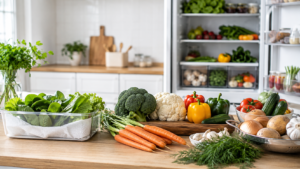
How to Keep Vegetables Fresh for longer with simple storage tips for leafy greens, carrots, potatoes, onions, herbs, and more. Fresh vegetables can make meals healthier, tastier, and more enjoyable, but keeping them fresh can be surprisingly tricky. A bag of spinach may wilt within days, carrots can become soft, and herbs can turn slimy before you get the chance to use them. The good news is that you do not need complicated storage methods to extend the life of your produce. Learning How to Keep Vegetables Fresh mainly comes down to controlling moisture, temperature, airflow, and how different vegetables are stored. With a few simple habits, you can keep your vegetables crisp for longer, reduce food waste, and get more value from every grocery trip.
How to Keep Vegetables Fresh
The easiest way to keep vegetables fresh is to store each type according to what it needs. Most vegetables last longer when kept at the right temperature and protected from excess moisture. Avoid washing vegetables before storage unless you plan to use them soon, because leftover water can encourage mold and decay. Leafy greens usually need to stay dry, while root vegetables such as potatoes and onions prefer a cool, dark, well-ventilated space. Checking your vegetables regularly and removing anything that has started to spoil can also help protect the rest of your produce.
Why Do Fresh Vegetables Spoil So Quickly?
Vegetables naturally continue to change after they are harvested. They lose water, breathe through their plant tissues, and can become affected by bacteria, mold, or ethylene gas from certain fruits and vegetables. Poor storage can speed up these natural processes. For example, wet lettuce can become slimy, while vegetables kept in an overly dry environment may lose moisture and become limp. Understanding these small differences makes it much easier to choose the right storage method instead of putting everything in the refrigerator the same way.
Should You Wash Vegetables Before Storing Them?
In most cases, it is better to wash vegetables shortly before you plan to eat or cook them rather than immediately after buying them. Washing can leave moisture on the surface, and trapped moisture may encourage mold and spoilage, particularly with delicate produce. If you prefer to wash vegetables ahead of time for convenience, dry them thoroughly before storing them and use a clean container or bag that allows appropriate airflow. The key is not simply keeping vegetables wet or dry, but managing moisture carefully.
How to Store Leafy Greens
Leafy greens such as lettuce, spinach, kale, and arugula can lose their freshness quickly because they contain a lot of water and have delicate leaves. After bringing them home, remove any damaged leaves and make sure the greens are dry before refrigerating them. You can loosely wrap them with paper towels and place them in a container or breathable produce bag. The paper towel helps absorb excess moisture while the container protects the leaves from getting crushed.
How to Keep Lettuce Crisp
Lettuce stays fresher when it is protected from excess moisture while still having enough airflow. Store whole lettuce in the refrigerator rather than leaving it on the counter, and avoid packing it tightly with wet produce. If the leaves have already been washed, dry them well before storage. A clean container lined with a paper towel can help keep the leaves crisp and reduce the amount of moisture sitting against them.
How to Keep Spinach Fresh Longer
Spinach can go from fresh to slimy very quickly, so moisture control is especially important. Remove any damaged leaves as soon as you notice them and keep the remaining spinach dry. Store it in a clean container lined with a paper towel, replacing the towel if it becomes noticeably damp. Avoid compressing the leaves because crushed spinach tends to deteriorate faster.
How to Store Carrots
Carrots are fairly easy to keep fresh when stored properly. Remove leafy tops if they are attached because the greens can draw moisture from the roots, causing carrots to become limp. Place the carrots in the refrigerator in a suitable container or produce bag. Keeping them away from excessive moisture while preventing them from drying out will help preserve their firm texture and natural sweetness.
How to Keep Broccoli and Cauliflower Fresh
Broccoli and cauliflower generally do well in the refrigerator, where cooler temperatures help slow deterioration. Avoid washing them before storage unless necessary, and keep them in a breathable produce bag or suitable container. If they are already cut, place the pieces in a clean sealed container and refrigerate them. Using them while the florets are still firm and fresh will give you the best texture and flavor.
How to Store Bell Peppers
Bell peppers usually stay fresh for longer when refrigerated and kept dry. Place whole peppers in the refrigerator without washing them first, and avoid storing them in a container filled with trapped moisture. Once a pepper has been cut, refrigerate the remaining pieces in a clean airtight container. Keeping cut peppers sealed helps prevent them from drying out and absorbing odors from other foods.
How to Keep Cucumbers Fresh
Cucumbers can become soft or develop damaged spots when exposed to unsuitable temperatures or excess moisture. Keep them dry and store them in a part of the refrigerator where they are protected from very cold conditions. Avoid washing them until you are ready to use them. If you have cut a cucumber, place the remaining portion in a sealed container and refrigerate it.
How to Store Tomatoes
Tomatoes are one of the vegetables that do not always benefit from being stored in the refrigerator. Whole ripe tomatoes are generally best kept at room temperature away from direct sunlight if you plan to use them soon. Refrigeration can affect their texture and flavor. However, if a tomato is very ripe and you need to slow further deterioration, refrigeration can help extend its usable life. Letting a refrigerated tomato return toward room temperature before eating can improve its flavor.
How to Store Potatoes
Potatoes should usually be kept somewhere cool, dark, dry, and well ventilated rather than in a sealed plastic bag. Exposure to light can cause potatoes to develop green areas, while excessive moisture can encourage spoilage. A breathable paper or mesh bag works better than an airtight container. Keep potatoes away from onions because storing them together can encourage faster deterioration.
How to Store Onions
Whole onions prefer a cool, dry, dark place with good airflow. Avoid storing them in a sealed plastic container because trapped moisture can cause them to become soft or moldy. Once an onion has been cut, however, it should be refrigerated in a clean sealed container and used within a reasonable period. Keeping whole and cut onions under different conditions helps preserve their quality.
How to Store Garlic
Garlic is another vegetable that generally prefers a dry, cool, dark, and well-ventilated location. Keep whole garlic bulbs away from moisture and direct sunlight. Avoid sealing them tightly in plastic because poor airflow can contribute to deterioration. Once cloves have been peeled or the garlic has been chopped, refrigerate it in a suitable sealed container.
How to Keep Fresh Herbs Fresh
Fresh herbs such as cilantro, parsley, and mint can wilt quickly, but a little extra care can make a noticeable difference. Trim the stems and place the herbs in a container or jar with a small amount of water, depending on the herb, then loosely cover the tops and refrigerate when appropriate. Another option is to wrap clean, dry herbs in a slightly breathable paper towel before placing them in a container. The best method depends on the particular herb.
Should Fresh Vegetables Be Stored in the Refrigerator?
Many vegetables benefit from refrigeration because cool temperatures slow the processes that cause them to deteriorate. Leafy greens, carrots, broccoli, cauliflower, peppers, and many other vegetables generally last longer when refrigerated. However, not every vegetable belongs in the refrigerator. Potatoes, onions, garlic, and some tomatoes are usually better suited to cool, dry storage outside the refrigerator. Knowing which vegetables prefer which environment is more useful than simply putting everything in the fridge.
How to Use Your Refrigerator Crisper Drawers
The crisper drawers can be useful for maintaining the right environment for produce, but they work best when you avoid overcrowding them. Too much produce packed tightly together can restrict airflow and trap moisture. Keep vegetables organized and check the drawer regularly for wilted or spoiled items. Using containers or produce bags appropriately can also help prevent vegetables from becoming excessively dry or wet.
Does Moisture Make Vegetables Spoil Faster?
Excess moisture is one of the biggest problems when storing fresh vegetables. Water left on leaves or trapped inside sealed bags can create an environment where mold and bacteria grow more easily. This does not mean vegetables should be allowed to become completely dry. The goal is to remove unnecessary surface water while maintaining enough humidity to prevent produce from losing too much moisture. Paper towels, breathable bags, and clean containers can make this balance easier to manage.
How Does Ethylene Gas Affect Fresh Vegetables?
Some fruits and vegetables naturally release ethylene gas, a plant hormone that can speed up ripening and aging in nearby produce. Certain vegetables can therefore deteriorate faster when stored next to high-ethylene producers. Keeping sensitive vegetables separated from produce that releases significant amounts of ethylene can help extend freshness. This is particularly useful when your refrigerator contains several different types of fruits and vegetables.
How to Store Cut Vegetables
Once vegetables are cut, their exposed surfaces can lose moisture and become more vulnerable to contamination and spoilage. Place cut vegetables in clean, food-safe containers and refrigerate them promptly. Airtight containers are useful for preventing cut produce from drying out and absorbing refrigerator odors. Before storing, make sure the vegetables are reasonably dry so excess water does not collect inside the container.
How to Tell If Vegetables Are Still Fresh
Freshness does not always mean vegetables have to look perfect. Slightly wilted leafy greens may still be usable if they have no signs of spoilage, while a vegetable with mold, a bad smell, significant slime, or extensive decay should generally be discarded. Check the texture, smell, appearance, and overall condition before using older produce. When only a small portion is damaged and the rest is clearly sound, the safe approach depends on the type of vegetable and how extensive the spoilage is.
How to Make Vegetables Last Longer After Grocery Shopping
A little preparation when you return from the store can make your vegetables last noticeably longer. Take a few minutes to remove damaged pieces, separate vegetables that need different storage conditions, and dry produce that is unnecessarily wet. Avoid cramming everything into one drawer. Keeping your refrigerator organized also makes it easier to see what you already have, which means you are less likely to forget about vegetables until they are past their best.
Common Vegetable Storage Mistakes to Avoid
One of the biggest mistakes is treating every vegetable exactly the same way. Washing everything immediately, sealing damp greens in plastic, storing potatoes next to onions, overcrowding refrigerator drawers, and leaving damaged produce mixed with fresh vegetables can all shorten shelf life. Another common problem is buying more produce than you can realistically use. Good storage helps, but the simplest way to reduce waste is to buy quantities that match your cooking habits.
How Long Do Fresh Vegetables Last?
The shelf life of vegetables varies widely depending on the type, freshness when purchased, storage conditions, and whether the vegetable has been cut. Leafy greens may need attention within several days, while carrots and some root vegetables can remain useful for much longer under proper conditions. Cut vegetables generally have a shorter storage life than whole vegetables. Instead of relying only on a fixed number of days, check the produce regularly for changes in texture, smell, color, or signs of spoilage.
Can You Freeze Fresh Vegetables?
Freezing can be an excellent way to preserve vegetables that you will not use soon. Many vegetables benefit from blanching before freezing because this helps preserve quality during longer frozen storage. After preparing them appropriately, cool and dry the vegetables, package them in suitable freezer containers or bags, and remove as much excess air as practical. Frozen vegetables may not have exactly the same texture as fresh ones after thawing, but they can work very well in soups, stews, sauces, stir-fries, and cooked dishes.
A Simple Fresh Vegetable Storage Routine
Keeping vegetables fresh does not have to become another complicated kitchen task. When you bring groceries home, first separate refrigerator vegetables from those that belong in a cool, dry pantry. Remove damaged pieces, avoid unnecessary washing, and dry anything that is already wet. Store leafy greens with a little moisture protection, keep roots and bulbs in suitable ventilated storage, and put cut vegetables into clean containers. Then check your produce every couple of days and use anything that is approaching the end of its best quality.
Conclusion
Learning How to Keep Vegetables Fresh is mostly about understanding what each vegetable needs. Keep delicate greens dry but protected, refrigerate vegetables that benefit from cooler temperatures, and give potatoes, onions, and garlic a cool, dark, well-ventilated place. Avoid unnecessary moisture, separate produce when needed, and keep an eye on anything beginning to spoil. These small habits can help your vegetables stay crisp, flavorful, and useful for longer while cutting down on unnecessary food waste.
FAQs
1. What is the best way to keep fresh vegetables fresh?
The best approach is to store each vegetable according to its needs. Keep suitable vegetables refrigerated, control excess moisture, avoid washing them too early, and store potatoes, onions, and garlic in a cool, dry, ventilated place.
2. Should vegetables be washed before putting them in the fridge?
Usually, it is better to wash vegetables shortly before using them. If you wash them in advance, dry them thoroughly before refrigeration because excess moisture can encourage spoilage.
3. How do you keep leafy vegetables fresh longer?
Keep leafy greens dry, remove damaged leaves, and store them in a clean container or breathable bag with paper towels to absorb excess moisture. Refrigeration generally helps slow wilting and deterioration.
4. Which vegetables should not be refrigerated?
Potatoes, onions, and garlic generally prefer a cool, dark, dry, well-ventilated storage area. Whole tomatoes are also often better kept at room temperature when they are ripe and ready to eat soon.
5. How can I stop vegetables from getting slimy?
Excess moisture is often responsible for slimy vegetables, especially leafy greens. Remove unnecessary surface water, use paper towels to absorb moisture, avoid overcrowding, and keep spoiled pieces away from fresh produce.
Pingback: Best High Protein Breakfast Foods for a Healthy Start