




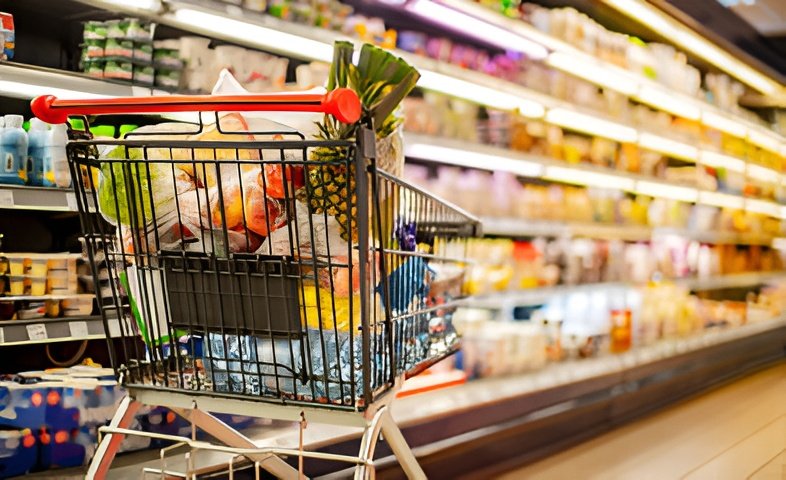
A French supermarket is a grocery store that sells everyday food, drinks, household products, personal-care items, and other essentials. France has everything from large hypermarkets on the outskirts of cities to compact neighborhood stores in busy urban areas. The larger stores often offer extensive selections, while smaller shops focus on convenience. This variety means shoppers can choose between a quick local grocery run and a much bigger weekly shopping trip.
Why Are French Supermarkets Popular?
French supermarkets are popular because they combine convenience with a strong focus on food quality and variety. Shoppers can usually find fresh fruit, vegetables, dairy products, meat, seafood, bakery items, prepared meals, and pantry staples under one roof. Larger stores may also have clothing, kitchen supplies, electronics, garden products, and household goods. For families, this makes a supermarket a practical destination for completing most of a weekly shopping list in one visit.
Major French Supermarket Chains
France has several major supermarket groups, and each has its own style, pricing strategy, and store formats. Carrefour is one of the best-known names and operates everything from small convenience stores to large hypermarkets. E.Leclerc is widely associated with competitive pricing, while Intermarché has a strong presence in towns and suburban areas. Auchan, Super U, Monoprix, and Casino are other familiar names shoppers may encounter.
Carrefour
Carrefour is one of the most recognizable supermarket brands in France. Its stores come in different sizes, so the shopping experience depends heavily on the location. A large Carrefour hypermarket can feel like a complete shopping center, with extensive grocery departments and many non-food products. Smaller Carrefour stores are more suitable when you simply need milk, bread, snacks, or dinner ingredients without making a long trip.
E.Leclerc
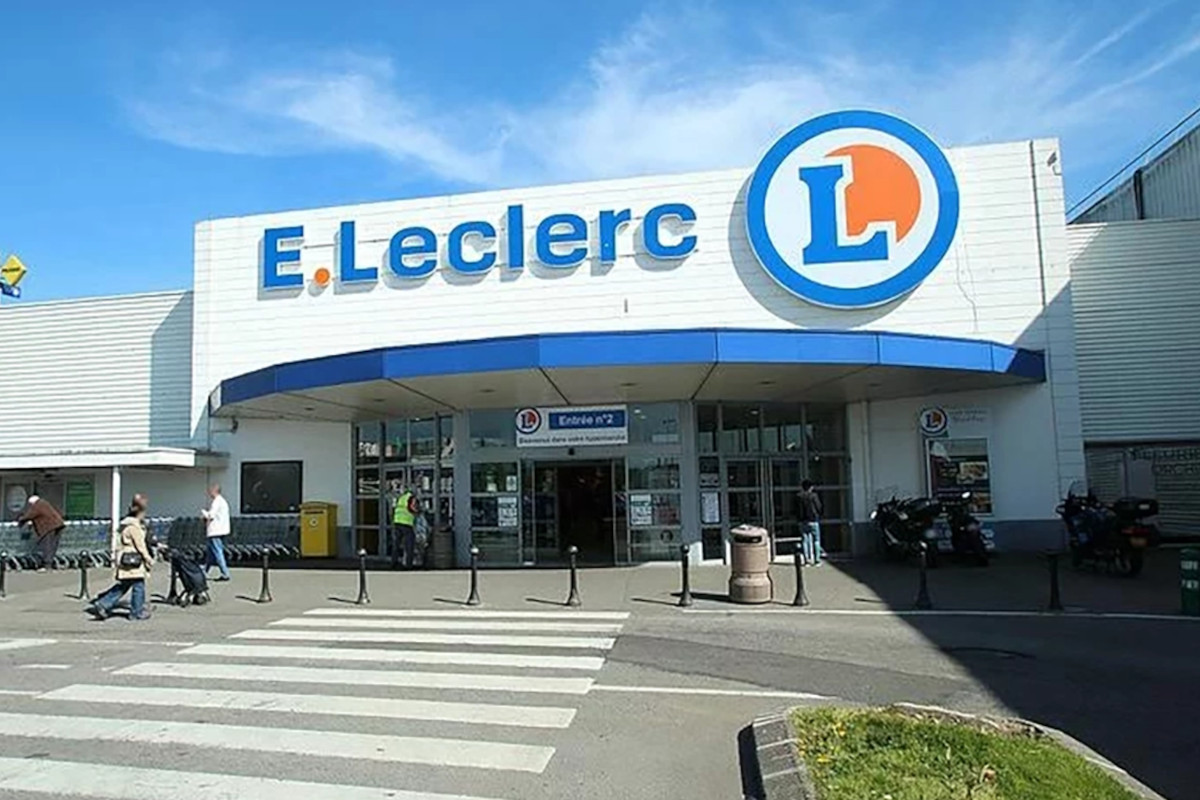
E.Leclerc is another major name in French grocery shopping and is particularly known for emphasizing competitive prices. Many of its larger stores provide a broad selection of food and household products. Shoppers may also find fresh-food counters and regional specialties depending on the location. If keeping an eye on the grocery budget matters, E.Leclerc is often a supermarket worth comparing with other nearby options.
Intermarché
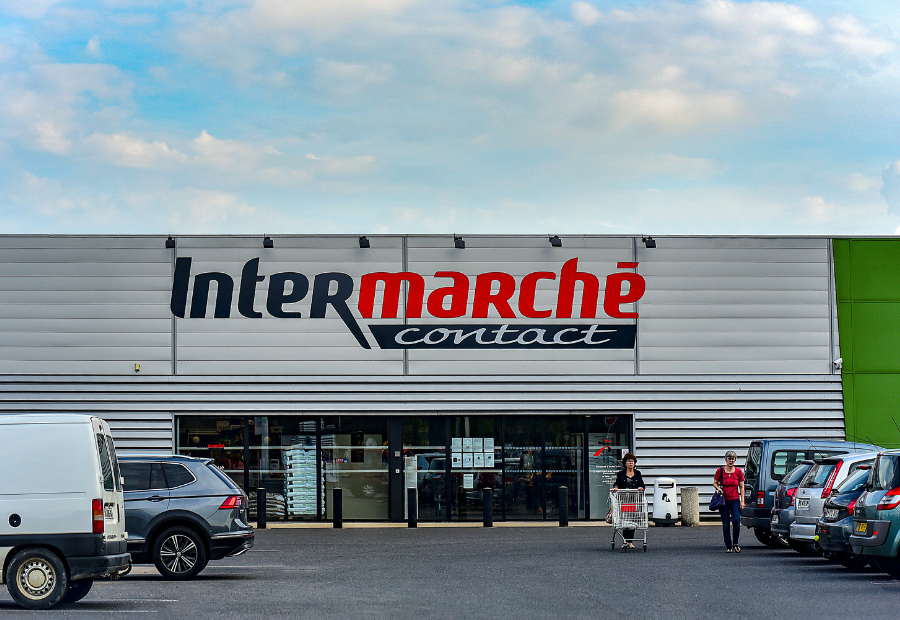
Intermarché has a strong presence across France, particularly in smaller towns and residential areas. Its stores often balance everyday convenience with a useful selection of fresh and packaged foods. One thing that makes shopping interesting is the emphasis on local and regional products in some locations. A traveler staying outside a major city may find an Intermarché more convenient than a huge hypermarket.
Auchan
Auchan is particularly associated with larger stores and hypermarket-style shopping. A big Auchan location can offer a wide range of groceries alongside clothing, home products, electronics, and other merchandise. These stores can be useful for families or travelers looking to buy many things at once. However, their size can also make them feel overwhelming if you only need a few basic groceries.
:quality(80)/business-review.eu/wp-content/uploads/2025/10/Auchan-19-ani.jpeg)
Monoprix
Monoprix has a different personality from the large hypermarkets. Its stores are commonly found in urban areas and are designed around convenience. They can be particularly useful in cities where residents do not want to travel far for groceries. Monoprix often has an appealing selection of prepared foods, snacks, household items, and everyday essentials, although convenience-focused locations may not always offer the lowest prices.
Super U
Super U is part of the larger Système U network and is another familiar supermarket name in France. Many Super U stores serve local communities and offer a mixture of fresh foods, packaged groceries, household supplies, and everyday essentials. Store size varies, so the experience can range from a relatively compact supermarket to a larger shopping destination. It is a practical option when exploring smaller French towns.
French Supermarket vs. French Hypermarket
One useful distinction is between a supermarket and a hypermarket. A supermarket primarily focuses on groceries and household essentials, while a hypermarket is much larger and usually carries a wider selection of non-food products. Large French hypermarkets can include departments for clothing, appliances, home goods, toys, and garden supplies. If you need several different types of products, a hypermarket can save time, but a neighborhood supermarket may be much quicker for everyday shopping.
What Can You Buy in a French Supermarket?
A typical French supermarket offers everything needed for an ordinary household. Fresh produce, bread, cheese, yogurt, butter, eggs, meat, seafood, pasta, rice, canned foods, sauces, frozen products, drinks, and snacks are common. You will also find cleaning supplies, toiletries, paper products, and other household necessities. Larger stores may have extensive international-food sections, organic ranges, bakery counters, delicatessens, and ready-to-eat meals.
Fresh Food in French Supermarkets
Fresh food is one of the most interesting parts of shopping in France. Produce departments often feature seasonal fruits and vegetables, while larger stores may have dedicated counters for meat, fish, cheese, and prepared foods. Depending on the supermarket, some products are packaged while others can be selected by weight. For visitors, these sections offer an easy way to discover foods that may not be familiar at home.
Bread and Bakery Products
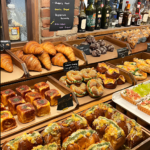
Bread plays an important role in French food culture, and supermarkets usually carry a variety of bakery products. You may see baguettes, sliced bread, pastries, sandwich rolls, and other baked goods. However, many French shoppers still visit independent bakeries for freshly made bread and pastries. Supermarket bread is convenient for everyday meals, while a local boulangerie can offer a more traditional experience.
Cheese Selection
A French supermarket can be an excellent place to explore the country’s enormous cheese culture. Depending on the store, you may see soft cheeses, hard cheeses, blue cheeses, goat cheese, regional varieties, and imported options. Larger stores can have impressive cheese counters. If you are unfamiliar with French cheese, starting with a small selection of different styles can be more enjoyable than buying a large amount of one variety.
Organic and Health-Conscious Shopping
Organic food is widely available in French supermarkets, and many stores have dedicated organic ranges or sections. Labels can help shoppers identify organic products, while supermarkets may also offer vegetarian, vegan, gluten-free, reduced-sugar, and other specialty foods. Availability varies by store, so larger supermarkets generally provide more choice. Reading the packaging carefully is useful because French product names and labeling conventions may differ from those in your home country.
Understanding Prices in France
French supermarket prices vary according to the store, location, product brand, and whether an item is seasonal or imported. Basic ingredients can be reasonably affordable, while premium cheeses, specialty foods, organic products, and imported goods may cost considerably more. Prices in central tourist areas can also feel higher than those at larger stores outside city centers. Comparing brands and checking prices per kilogram or liter can make grocery shopping more economical.
Private-Label Products
French supermarkets offer many private-label products, often sold under the supermarket’s own brands. These can include everything from pasta and canned vegetables to cleaning products and dairy items. Private-label goods are often worth considering when you want to control your grocery bill. They are not necessarily inferior to major brands, and some shoppers regularly choose them for everyday staples.
How Shopping in a French Supermarket Works
The basic process is familiar: choose your products, take them to the checkout, pay, and leave with your groceries. However, a few details may surprise first-time visitors. Some stores require you to insert or use a coin to unlock a shopping trolley, and you may need to bring your own reusable bags. At checkout, cashiers may scan products quickly, so having your bags ready can make the experience easier.
Do French Supermarkets Accept Cards?
Most French supermarkets accept major payment cards, especially larger chains and urban stores. Contactless payments are also commonly available for suitable transactions, although exact payment options can vary by location. Cash remains useful as a backup, particularly when visiting smaller shops or markets. International travelers should also make sure their bank card is enabled for overseas transactions before relying on it for everyday purchases.
Shopping Bags in France
Reusable shopping bags are common in France, and customers should not automatically expect free plastic bags at checkout. Bringing a foldable reusable bag is one of the simplest ways to avoid problems. Some supermarkets sell reusable bags near the checkout area, while others may offer paper or other alternatives. For travelers, keeping one or two lightweight bags in a daypack is an easy habit that quickly becomes useful.
French Supermarket Opening Hours
Opening hours vary by store and location. Large supermarkets often have longer schedules than small neighborhood shops, while opening times can change on Sundays and public holidays. Some stores may operate for limited hours on Sunday mornings, whereas others may close completely. If you are planning a grocery trip around a holiday or weekend, checking the specific store’s current opening hours is always the safest approach.
Grocery Shopping in French Cities
Shopping in cities such as Paris, Lyon, Marseille, Toulouse, and Bordeaux can be quite different from shopping in rural areas. Urban residents often rely on smaller supermarkets because apartments may have limited storage space and many people shop more frequently. Convenience stores are useful for quick purchases, while larger supermarkets can offer better variety and prices when you have time to travel farther.
Grocery Shopping in Rural France
In smaller towns and rural areas, supermarkets can play an especially important role because they may serve a large surrounding community. Larger stores may combine groceries with fuel stations, household departments, garden supplies, and other services. Local shops and markets remain important too, especially for fresh regional products. If you are traveling through the French countryside, a supermarket can be a convenient place to stock up before heading to a more remote destination.
French Supermarkets for Tourists
For travelers, supermarkets are useful for much more than saving money on meals. They offer a chance to see what local people actually buy and to discover regional foods without committing to a restaurant meal. You can pick up breakfast ingredients, picnic supplies, bottled water, snacks, cheese, fruit, and ready-to-eat foods. This can be particularly convenient for travelers staying in apartments, holiday rentals, or hotels with kitchen facilities.
Tips for Saving Money
The easiest way to save money is to compare supermarkets instead of assuming every chain has identical prices. Look at the price per kilogram or liter rather than focusing only on the package price. Supermarket own-brand products can also reduce the bill. Buying seasonal produce, choosing larger packages when appropriate, and avoiding unnecessary convenience products can help. A simple shopping list prevents impulse purchases from quietly increasing the total.
Common Mistakes First-Time Shoppers Make
One common mistake is assuming that every supermarket will have the same product selection. Store size matters, and smaller branches may carry fewer brands and specialty items. Another mistake is arriving late on a Sunday expecting a full day of shopping. Visitors may also forget reusable bags or overlook the difference between a supermarket and a hypermarket. A little planning makes the experience much easier.
French Supermarket Vocabulary
Knowing a few French words can make grocery shopping more comfortable. “Prix” means price, “promotion” refers to a special offer, “frais” means fresh, and “surgelé” means frozen. “Lait” is milk, “pain” is bread, “fromage” is cheese, and “œufs” means eggs. You may also see “bio,” which is commonly used for organic products. You do not need fluent French, but these small words can make labels easier to understand.
Are French Supermarkets Expensive?
French supermarkets are not automatically expensive, although the answer depends on what you buy and where you shop. Basic supermarket staples can be reasonably priced, while premium products, imported goods, and specialty foods can increase the bill. Large stores outside expensive city centers may offer more competitive prices. For visitors, supermarket shopping can often be cheaper than eating every meal at restaurants, especially when buying ingredients for simple breakfasts and lunches.
French Supermarkets and Local Food Culture
What makes grocery shopping in France especially interesting is the connection between supermarkets and local food culture. Even an ordinary store can introduce you to regional cheeses, different breads, preserved foods, sauces, wines, chocolates, biscuits, and seasonal ingredients. You do not need to visit an expensive restaurant to experience French food. Sometimes, wandering through a supermarket aisle reveals just as much about everyday eating habits.
Supermarket Shopping vs. French Markets
French supermarkets are convenient, but traditional markets offer a different experience. Outdoor markets often have independent sellers specializing in produce, cheese, meat, seafood, flowers, and regional foods. Markets can feel more personal and lively, while supermarkets provide predictable opening hours, broader household selections, and one-stop convenience. Many people enjoy using both: the supermarket for practical shopping and the market for fresh or specialty products.
How to Choose the Right French Supermarket
The best supermarket depends on what you need. If you want a huge selection, look for a large hypermarket. If price is your main concern, compare nearby stores and consider their private-label ranges. For quick urban shopping, a smaller neighborhood branch may be ideal. If you are staying in a rural area, the closest supermarket may be the most practical choice. There is no single “best” store for every shopper.
Conclusion
A French supermarket offers a simple but surprisingly interesting window into everyday life in France. From fresh produce and cheese to private-label groceries and regional specialties, these stores give travelers and residents plenty of choices. The key is to understand the differences between store formats, compare prices, carry reusable bags, and pay attention to opening hours. Once you get used to the system, supermarket shopping becomes less of a chore and more of a small part of the French experience.
FAQs About French Supermarkets
What is the most popular French supermarket?
Carrefour, E.Leclerc, Intermarché, Auchan, and Système U are among the major supermarket groups operating in France. Popularity varies by region and store format, so the largest chain is not necessarily the most convenient or cheapest option in every location.
Are French supermarkets cheaper than restaurants?
Generally, buying groceries is less expensive than eating every meal at restaurants. Preparing simple breakfasts, lunches, or dinners from supermarket ingredients can significantly reduce food costs, particularly for longer trips.
Do French supermarkets sell fresh bread?
Yes. Most supermarkets sell bread, and larger stores often have bakery sections with baguettes and other baked goods. However, independent French bakeries are also popular for freshly baked traditional products.
Do French supermarkets accept credit cards?
Most larger French supermarkets accept widely used payment cards. Contactless payments are also common, although payment options can vary between stores and locations.
Do I need to bring my own shopping bags?
It is a good idea to carry reusable bags. Customers should not assume that free single-use shopping bags will be provided, and reusable bags are practical for both supermarket and market shopping.
Read also: Fresh Bakery and Snacks for Breakfast and Tea Time