Types of Cheese Commonly Found in Grocery Stores
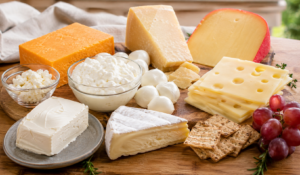
types of cheese commonly found in grocery stores, including cheddar, mozzarella, Gouda, Parmesan, feta, and their everyday uses. Cheese is one of those everyday grocery products that can make a simple meal more enjoyable. Whether you are preparing a sandwich for breakfast, making homemade pizza, adding flavor to pasta, or putting together a quick snack, the right type of cheese can make a noticeable difference. Walk through the dairy section of a grocery store, and you will probably find several varieties with different flavors, textures, shapes, and uses. Some are soft and creamy, while others are firm, crumbly, or aged for a stronger taste.
Understanding the types of cheese commonly found in grocery stores makes it easier to choose the right product for your kitchen. Popular options include cheddar, mozzarella, Parmesan, cream cheese, Gouda, Swiss cheese, cottage cheese, and feta. Each variety has its own characteristics, and not every cheese works equally well in every recipe. Some melt beautifully, others are better for spreading, and a few are mainly enjoyed with crackers, fruits, or salads.
In this guide, we will explore popular grocery store cheese varieties, their flavors, textures, common uses, and what to consider before purchasing them. Whether you are a regular cheese buyer or simply exploring different dairy products, this overview will help you make more informed grocery choices.
Understanding the Different Types of Cheese Commonly Found in Grocery Stores
Cheese is made by separating milk solids from liquid whey through a process involving milk proteins, cultures, and, in many varieties, enzymes. The ingredients and production methods influence the final texture, flavor, moisture content, and shelf life. This is why two cheeses made from dairy milk can taste and feel completely different.
Grocery stores generally organize cheese products into categories such as soft cheese, semi-soft cheese, hard cheese, shredded cheese, sliced cheese, and spreadable cheese. You may also find specialty varieties in refrigerated sections or dedicated cheese counters. Some stores carry locally produced options, while larger supermarkets may offer imported varieties as well.
The selection depends on the store, location, and customer demand. However, several familiar varieties are widely available and suitable for everyday meals.
15 Popular Types of Cheese Found in Grocery Stores
1. Cheddar Cheese
Cheddar is one of the most recognizable cheese varieties in grocery stores. It has a firm texture and a flavor that ranges from mild and creamy to sharp and slightly tangy, depending on how long it has been aged. Mild cheddar is generally softer and more delicate, while mature cheddar develops a deeper, stronger taste.
It is commonly sold in blocks, slices, and shredded packages. Cheddar works well in burgers, sandwiches, grilled cheese, macaroni, baked potatoes, and many homemade recipes. Its versatility makes it a practical choice for households that regularly use cheese in different meals.
2. Mozzarella Cheese
Mozzarella is especially popular among people who enjoy pizza, pasta, and baked dishes. It has a mild flavor and a soft, slightly elastic texture. When heated, mozzarella melts smoothly and develops the stretchy consistency that many people associate with freshly baked pizza.
Grocery stores commonly sell mozzarella in shredded, block, and sliced forms. Fresh mozzarella may also be available in balls packed in liquid. Low-moisture mozzarella is often preferred for pizza because it releases less water during cooking, while fresh mozzarella is excellent in salads and other dishes where its delicate texture can be appreciated.
3. Parmesan Cheese
Parmesan is a hard, aged cheese known for its concentrated savory flavor. It has a firm, granular texture and is usually sold in blocks, grated containers, or finely shredded packages. A small amount can add noticeable flavor to an ordinary meal.
This cheese is commonly used with pasta, risotto, soups, roasted vegetables, and salads. It can also be shaved over dishes as a finishing ingredient. When purchasing Parmesan, check the product label because some grated cheese products contain additional ingredients to prevent clumping.
4. Cream Cheese
Cream cheese is a soft, smooth dairy product with a mild and slightly tangy flavor. Unlike firm cheese varieties, it is designed to spread easily, making it a popular breakfast and baking ingredient. It is generally sold in tubs, blocks, or small packaged portions.
Many people use cream cheese on toast, bagels, crackers, and sandwiches. It is also an important ingredient in cheesecakes, creamy dips, frosting, and dessert fillings. Some grocery stores offer flavored versions containing herbs, garlic, or other ingredients for people who prefer something beyond the original variety.
5. Swiss Cheese
Swiss cheese is easily recognized by the holes that develop during its production. It generally has a smooth texture and a mild, nutty flavor. Depending on the variety and aging process, its taste can become more pronounced.
It is often sold in pre-cut slices or blocks and is commonly used in sandwiches, burgers, breakfast dishes, and melted cheese recipes. Swiss cheese pairs particularly well with bread, chicken, turkey, and vegetables. Its balanced flavor makes it a useful option for people who prefer cheese that is not too sharp.
6. Gouda Cheese
Gouda is a popular cheese originally associated with the Netherlands. It has a smooth texture and a buttery, slightly sweet flavor. Young Gouda is generally mild and creamy, while aged Gouda becomes firmer and develops a richer, more complex taste.
In grocery stores, Gouda may be available in blocks, slices, or specialty cheese packaging. It works well in sandwiches, cheese boards, burgers, and baked dishes. Its pleasant flavor also makes it a good option for serving with crackers, apples, and other light snacks.
7. Feta Cheese
Feta is a crumbly cheese traditionally associated with Greece. It has a salty, tangy flavor and a texture that breaks apart easily. Traditional Greek feta is made primarily from sheep’s milk, sometimes combined with goat’s milk.
It is commonly sold in blocks or crumbled packages, sometimes stored in brine to maintain its moisture and flavor. Feta is particularly popular in salads, wraps, sandwiches, and Mediterranean-style dishes. It can also be added to roasted vegetables, eggs, and pasta for extra flavor.
8. Cottage Cheese
Cottage cheese has a distinctive appearance because it consists of small, soft curds mixed with a creamy liquid. Its flavor is mild, slightly milky, and sometimes lightly tangy. Unlike many traditional cheese varieties, it is often eaten directly from the container rather than melted or cooked.
Grocery stores usually sell it in refrigerated tubs, with different curd sizes and fat levels available. People commonly enjoy cottage cheese with fresh fruit, vegetables, toast, or breakfast bowls. It is also used in dips, pancakes, and savory recipes.
9. Ricotta Cheese
Ricotta is a soft, creamy cheese with a delicate and slightly sweet flavor. It has a moist texture and is commonly used in both savory and sweet recipes. It is traditionally produced using whey, although commercial products may use different production methods.
In grocery stores, ricotta is generally available in small or medium refrigerated containers. It is frequently used in lasagna, stuffed pasta, baked dishes, and desserts. Its mild taste allows it to blend easily with herbs, vegetables, honey, and fruit.
10. Monterey Jack Cheese
Monterey Jack is a semi-soft cheese known for its mild, buttery flavor and smooth texture. It melts easily, which makes it a useful ingredient for dishes that require a creamy cheese layer. It is commonly available in blocks, shredded packages, and sliced portions.
This cheese is often used in quesadillas, burgers, sandwiches, nachos, and baked meals. Some grocery stores also carry Pepper Jack, a variation that includes peppers and spices for a slightly spicy taste. Both varieties are suitable for people who enjoy mild cheese with good melting qualities.
11. Blue Cheese
Blue cheese is a distinctive variety recognized by its blue or green veins, strong aroma, and tangy flavor. Its appearance and taste come from specific molds used during the production and aging process. Depending on the variety, it can be creamy, crumbly, sharp, or quite salty.
It is generally available in specialty cheese sections, either in blocks or crumbled packages. Blue cheese is often added to salads, sauces, dressings, burgers, and cheese boards. Because its flavor is stronger than many everyday varieties, a small amount is usually enough to make an impression.
12. Brie Cheese
Brie is a soft cheese with a pale interior and an edible white rind. It has a creamy consistency and a mild, buttery flavor that can become richer as it ripens. When served at the right temperature, its interior becomes softer and easier to spread.
Grocery stores commonly sell Brie in small round wheels or wedges. It is often served with crackers, bread, fresh fruit, and nuts. Some people also bake it to create a warm appetizer. Its smooth texture makes it a popular option for cheese boards and special occasions.
13. Provolone Cheese
Provolone is an Italian cheese with a smooth texture and a flavor that can range from mild to sharp. Its taste depends on the production style and aging period. It is usually firmer than mozzarella but still melts well when heated.
It is commonly available in sliced or packaged forms, making it convenient for everyday use. Provolone works particularly well in sandwiches, burgers, baked pasta, and toasted bread recipes. Its balanced flavor makes it a useful alternative to cheddar or Swiss cheese.
14. Colby Cheese
Colby is a semi-hard cheese with a mild, slightly sweet flavor. It has a softer texture and higher moisture content than many aged cheddar varieties. Its gentle taste makes it suitable for people who prefer less intense cheese flavors.
It is commonly sold in blocks and slices and can be used in sandwiches, burgers, salads, and simple snacks. Colby also melts reasonably well, making it useful for homemade casseroles and other cooked meals. It is sometimes combined with Monterey Jack to create a marbled cheese product.
15. String Cheese
String cheese is a convenient snack product, usually made from mozzarella. It has a firm but flexible texture that allows it to separate into thin strands when pulled apart. Its mild flavor makes it popular with both children and adults.
Most grocery stores sell string cheese in individually wrapped portions. It is easy to pack for school lunches, work snacks, and short trips. Some manufacturers also offer different cheese blends, but mozzarella remains the most familiar variety.
Different Forms of Cheese Available in Grocery Stores
Apart from the type of milk or cheese-making process, the way cheese is packaged can influence how people use it. Grocery stores sell cheese in several convenient forms, allowing customers to choose products according to their cooking habits and storage needs.
Block Cheese
Block cheese is sold as a solid piece that can be sliced, grated, cubed, or melted. Cheddar, Gouda, mozzarella, and Parmesan are common examples. Buying cheese in blocks gives customers more control over portion sizes and preparation.
Sliced Cheese
Sliced cheese is designed for convenience. It is usually sold in stacked portions with packaging that helps separate individual slices. Cheddar, Swiss, mozzarella, and provolone are popular options for sandwiches and burgers.
Shredded Cheese
Shredded cheese comes in thin pieces that are ready to sprinkle over food. It is particularly useful for pizza, pasta, tacos, casseroles, and baked dishes. Some packages contain a single cheese variety, while others include blends designed for specific recipes.
Spreadable Cheese
Spreadable cheese has a soft consistency that makes it easy to apply to bread, crackers, and other foods. Cream cheese is one of the most familiar examples. Some grocery stores also carry flavored cheese spreads containing herbs, spices, or vegetables.
Crumbled Cheese
Crumbled cheese is sold in small pieces, making it easy to add to salads, sandwiches, and cooked meals. Feta and blue cheese are common examples. This form saves preparation time and allows customers to control how much cheese they add to a dish.
How to Choose the Right Cheese at a Grocery Store
Choosing cheese becomes easier when you understand what you plan to prepare. A cheese that works perfectly on pizza may not be the best option for a breakfast spread or fruit platter. Thinking about flavor, texture, and intended use can help narrow down the available choices.
Consider the Flavor
Cheese flavors vary from mild and creamy to sharp, salty, and tangy. Mozzarella, Colby, and Monterey Jack are suitable choices for people who enjoy gentle flavors. Cheddar, blue cheese, and aged Gouda offer more pronounced tastes.
Check the Texture
Texture matters just as much as flavor. Soft varieties such as Brie, ricotta, and cream cheese are useful for spreading, fillings, and desserts. Hard varieties like Parmesan are better suited to grating, while semi-soft options can be sliced or melted.
Think About Your Recipe
Consider how the cheese will be used before purchasing it. Mozzarella is a familiar choice for pizza, cheddar works well in burgers, and Parmesan adds flavor to pasta. Feta is useful for salads, while cream cheese is commonly used in baking and breakfast recipes.
Read the Product Label
The packaging provides important information about ingredients, milk type, fat content, allergens, and storage requirements. Some products are made from cow’s milk, while others use sheep’s or goat’s milk. Reading the label also helps identify processed cheese products and dairy-free alternatives.
Check Freshness and Packaging
Always check the use-by or expiration date and make sure the package is properly sealed. Avoid products with damaged packaging, unusual discoloration, or signs of spoilage. Soft cheeses and fresh varieties generally require careful refrigeration.
Which Types of Cheese Are Best for Different Meals?
Different meals call for different cheese characteristics. Choosing the right variety can improve the flavor and texture of a dish without requiring complicated preparation.
For sandwiches and burgers, cheddar, Swiss, provolone, and Monterey Jack are practical choices because they are easy to slice and have balanced flavors. For pizza, low-moisture mozzarella is widely used because of its melting properties. Parmesan can be added afterward for extra savory flavor.
For salads, feta, blue cheese, and fresh mozzarella offer different textures and flavor combinations. Cottage cheese is often used in breakfast bowls, while cream cheese works well on toast and bagels. For desserts, ricotta and cream cheese are common ingredients in recipes such as cheesecakes and sweet fillings.
When preparing a cheese board, consider combining soft, hard, mild, and stronger varieties. Brie, Gouda, cheddar, and Parmesan can create a balanced selection when served with crackers, fruit, and nuts.
How Should Cheese Be Stored After Grocery Shopping?
Proper storage helps maintain cheese quality, flavor, and texture. Most grocery store cheese varieties should be refrigerated according to the instructions on their packaging. Keeping them at a consistent refrigerator temperature helps slow spoilage and maintain freshness.
Once opened, block cheese should generally be wrapped properly or placed in an airtight container to reduce exposure to air and moisture loss. Shredded and sliced cheese should be returned to the refrigerator promptly after use. Fresh varieties such as ricotta, cottage cheese, and mozzarella packed in liquid may require more careful handling because of their moisture content.
It is also important to avoid leaving cheese at room temperature for extended periods. Follow the manufacturer’s storage guidance, especially for soft and fresh cheeses. If a product develops an unusual smell, unexpected texture, or visible signs of spoilage, it is safer to discard it.
Are All Grocery Store Cheese Products Made the Same Way?
No, grocery store cheese products are not all produced using identical ingredients or methods. Traditional natural cheeses are made through milk coagulation, followed by different processing, draining, pressing, and aging methods. These steps determine the final characteristics of each variety.
Processed cheese products are different because they are made by blending cheese with other ingredients, such as emulsifying salts, to create a consistent texture and melting behavior. Individually wrapped cheese slices and some cheese spreads may fall into this category.
Grocery stores may also carry dairy-free cheese alternatives made from ingredients such as coconut oil, starches, nuts, or soy. These products are intended for people who avoid dairy or prefer plant-based foods, but their nutritional composition and melting properties can differ from traditional cheese.
Checking the ingredient list is the simplest way to understand what you are purchasing.
Conclusion
Exploring the types of cheese commonly found in grocery stores can make everyday grocery shopping more interesting and practical. From familiar cheddar and mozzarella to creamy Brie, crumbly feta, and flavorful Parmesan, each variety offers something different. Some are ideal for cooking, while others are better suited to snacks, sandwiches, salads, or desserts.
The best choice depends on your personal taste, recipe, budget, and dietary preferences. You do not need to purchase every variety to enjoy cheese. Start with a few versatile options and explore other types as you become more familiar with their flavors and textures. A little understanding of the dairy section can make choosing the right cheese much easier.
Frequently Asked Questions
1. What are the most common types of cheese found in grocery stores?
Cheddar, mozzarella, Parmesan, cream cheese, Swiss, Gouda, feta, and cottage cheese are among the most common grocery store varieties.
2. Which cheese is best for everyday cooking?
Cheddar and mozzarella are versatile options for everyday cooking. They work well in sandwiches, pasta, burgers, pizza, and baked dishes.
3. What is the difference between natural cheese and processed cheese?
Natural cheese is produced through milk coagulation and other cheese-making processes. Processed cheese is made by blending cheese with additional ingredients to create a consistent texture and melting quality.
4. Which grocery store cheeses are best for pizza?
Mozzarella is the most popular choice for pizza because of its mild flavor and stretchy melting texture. Parmesan can also be added for extra flavor.
5. What are the softest types of cheese?
Cream cheese, Brie, ricotta, and cottage cheese are popular soft cheese varieties. They have different textures and are commonly used in spreads, desserts, and everyday meals.
Read also: Essential Baking Ingredients to Buy at a Grocery Store
Pingback: 3 Ingredient Oatmeal Cookies Easy, Healthy, and Delicious