How to Choose Whole Grain Bread at the Grocery Store
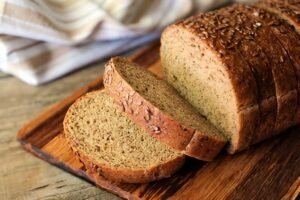
Learn how to choose whole grain bread at the grocery store by checking ingredients, fiber, added sugars, sodium, and nutrition labels. Bread is a regular part of many people’s diets, but different varieties can have very different nutritional profiles. Bread made primarily with whole grain flour generally provides more fiber and retains more of the grain’s natural components than bread made with refined flour. Whole grains contain the bran, germ, and endosperm, which contribute fiber, vitamins, minerals, and other beneficial compounds. Choosing whole grain bread can be a practical way to add more whole grains to your meals without changing your eating habits completely. However, not every loaf marketed as healthy offers the same benefits. Some products contain a mixture of whole grain and refined flour, while others include added sugar, seeds, or extra ingredients that affect their nutritional content. Understanding these differences helps you choose bread based on what is inside rather than what the package promises.
How to Choose Whole Grain Bread at the Grocery Store
The easiest approach is to start with the ingredient list and then compare the nutrition facts. Look for a loaf made primarily with whole grain flour, check its fiber content, and compare added sugars and sodium between similar products. Consider the serving size, price, taste, and texture as well. There is no need to choose the most expensive loaf or the one with the longest list of healthy-sounding ingredients. A straightforward whole grain bread that you enjoy eating regularly can be a sensible choice for everyday meals.
1. Check the First Ingredient on the Label
The ingredient list is one of the most useful places to start when shopping for whole grain bread. Ingredients are generally listed in descending order by weight, so the first ingredient makes up the largest proportion of the product. Look for terms such as whole wheat flour, whole rye flour, or whole grain oats, depending on the type of bread you want. If the first ingredient is enriched wheat flour or refined white flour, the bread may contain less whole grain flour than you expect. Some loaves combine whole wheat flour with refined flour, which is not automatically a bad choice, but it is worth knowing the difference. For example, a loaf labeled wheat bread might look wholesome while containing mostly refined flour. Reading the first few ingredients gives you a clearer picture of what you are buying.
What to Look for in the Ingredients
A loaf labeled 100% whole wheat should be made entirely with whole wheat grain ingredients, although other ingredients such as yeast, oil, salt, or sweeteners may also be present. If you prefer a different grain, look for a clearly identified whole grain variety. Ingredients such as whole rye flour, whole oats, and whole grain barley can also be useful options. Remember that seeing grains or seeds on the crust does not tell you how much whole grain flour the bread contains. The ingredient list remains a more reliable starting point.
2. Understand the Difference Between Whole Grain and Whole Wheat Bread
The terms whole grain and whole wheat are closely related, but they do not mean exactly the same thing. Whole wheat bread uses the entire wheat kernel, while whole grain bread can be made from wheat or other grains that retain their bran, germ, and endosperm. Depending on the product, whole grain bread may contain rye, oats, barley, or a combination of several grains. Whole wheat bread is therefore one type of whole grain bread. Both can be good choices, provided the ingredients match the label and your dietary preferences. If you enjoy a familiar wheat flavor, whole wheat bread may be a convenient option. If you prefer a stronger taste or a different texture, a whole grain rye or seeded loaf may be worth trying.
3. Do Not Judge Bread by Its Color
Dark brown bread often looks healthier than pale bread, but color alone does not tell you whether a loaf contains whole grains. Some bread gets its darker appearance from ingredients such as molasses or other coloring ingredients, while some genuinely whole grain bread can have a relatively light color. This is why choosing bread based only on its appearance can be misleading. Instead of assuming that darker bread is automatically better, turn the package around and read the ingredient list. If you are buying bread from a bakery without a packaged label, ask about the flour used and whether it is whole grain. A little extra attention can prevent you from paying more for bread that does not match your expectations.
4. Compare Fiber Content Per Slice
Fiber is an important factor to consider when choosing whole grain bread. It supports normal digestion and can help you feel satisfied after a meal. Whole grain bread often contains more fiber than comparable refined white bread, although the amount varies by recipe and serving size. Check the nutrition facts panel and compare the fiber listed per slice rather than relying on the words whole grain on the front. For example, two loaves may both be labeled whole wheat, but one may provide noticeably more fiber per slice than the other. Seeded varieties may also have different amounts of fiber depending on their ingredients. If increasing your fiber intake is your goal, choose a loaf with a useful amount of fiber and increase your intake gradually if you are not used to eating much fiber. Drinking enough water can also help support normal digestion.
5. Check for Added Sugars
Some whole grain breads contain added sugars to balance their flavor, improve browning, or support the recipe. Small amounts are not necessarily a reason to reject a loaf, but comparing products can help you avoid unnecessary added sugar. Check the nutrition label for added sugars where that information is provided. Ingredients such as sugar, honey, molasses, and syrups can contribute sweetness, even when the bread is marketed as a wholesome choice. The amount matters more than the mere presence of one of these ingredients. If two loaves offer similar whole grain content and fiber, you may prefer the one with less added sugar. This is especially useful if you eat bread every day and want to keep your overall diet balanced.
Is Sugar-Free Whole Grain Bread Better?
Not necessarily. A bread without added sugar can be a suitable choice, but the absence of sugar does not automatically make it more nutritious. Whole grain content, fiber, sodium, portion size, and your overall eating pattern also matter. Some breads contain a small amount of sweetener while still providing plenty of whole grains. Rather than focusing on a single ingredient, compare the full nutrition label and choose the product that best suits your needs.
6. Pay Attention to Sodium Levels
Bread can contribute to your daily sodium intake, even when it does not taste particularly salty. Sodium is commonly used in bread recipes to improve flavor and help control the dough-making process. The amount varies between brands and varieties, so checking the nutrition facts panel is worthwhile if you are trying to limit sodium. Compare similar serving sizes and look for a loaf with less sodium when practical. Do not assume that a product labeled organic, multigrain, or whole wheat automatically contains less salt. If a healthcare professional has advised you to restrict sodium, pay particular attention to the amount per serving and how many slices you typically eat.
7. Learn What Multigrain and Seeded Bread Really Mean
Multigrain bread sounds like a nutritious choice because it contains several types of grain. However, the term generally means that multiple grains are included; it does not guarantee that those grains are whole. A multigrain loaf may contain refined flour alongside oats, seeds, or other grains. Seeded bread can provide additional texture and nutrients, but the seeds alone do not establish that the main flour is whole grain. If you want multigrain bread, look for whole grain ingredients near the beginning of the ingredient list. This lets you enjoy the variety of grains while making sure the product matches what you are looking for. There is nothing wrong with choosing a seeded loaf for its taste, but it is better to understand its ingredients than to rely on the name alone.
8. Read the Nutrition Facts Panel Carefully
The nutrition facts panel helps you compare products beyond their marketing claims. Start with serving size, because the values listed on two packages may refer to different amounts of bread. Then compare calories, fiber, added sugars, and sodium. Protein may also be useful if you are comparing breads as part of a meal, although bread alone does not need to provide all the protein you require. Keep in mind that a larger slice may naturally contain more calories and fiber than a smaller one. For a fair comparison, look at similar serving sizes or compare values per 100 grams when available. This simple habit can help you make a more informed choice without spending several minutes studying every number on the shelf.
9. Choose Bread That Fits Your Taste and Texture Preferences
Even the most nutritious loaf will not be useful if you dislike eating it. Whole grain breads vary considerably in flavor and texture. Some are soft and mild, while others are dense, chewy, nutty, or filled with seeds. If you are moving away from white bread, a softer whole wheat loaf may be an easier starting point than a very dense, heavily seeded variety. You can also try different brands until you find one that works well for toast, sandwiches, or breakfast. Think about how you normally eat bread before buying a large package. A loaf that suits your favorite meals is more likely to become a regular part of your diet rather than something that sits untouched in the kitchen.
10. Consider the Price and Package Size
Healthy grocery choices should also make sense for your budget. Whole grain bread prices vary depending on the brand, ingredients, package size, and where you shop. An expensive loaf is not automatically better than an affordable one. Compare the cost per slice or per 100 grams, especially when one package contains more bread than another. If you live alone or eat bread occasionally, a smaller loaf may help prevent waste. For a larger household, a bigger package may offer better value if everyone enjoys it. You can also freeze extra slices if the packaging and storage instructions allow it. Buying a reasonably priced loaf that you will finish is often more practical than paying extra for features you do not need.
11. Check the Packaging and Freshness
Before putting a loaf in your shopping cart, take a quick look at the packaging. It should be properly sealed, with no visible signs of damage or contamination. Check the best-before or use-by date where provided, and choose a loaf that gives you enough time to eat it. If you are shopping at a bakery, look for clean storage and ask how the bread is made or stored if the information is not available. Whole grain bread may spoil at a different rate depending on its ingredients, moisture, preservatives, and storage conditions. Once you get home, follow the package directions and keep the bread in a suitable place. If you will not finish it before it becomes stale, freezing it in portions can help preserve its quality.
12. Know How to Read Common Bread Labels
Bread packaging often includes phrases designed to attract attention, but not all of them provide the same information. Terms such as natural, multigrain, artisan, and made with whole grains do not necessarily mean a product is made entirely from whole grain flour. The phrase made with whole grains, for example, does not tell you how much whole grain the loaf contains. A package may also highlight seeds or oats even when refined flour remains a major ingredient. Treat front-of-package wording as a starting point rather than the final answer. Read the ingredient list and nutrition facts to confirm what the bread offers. This approach is useful whether you shop at a supermarket, a neighborhood grocery store, or a local bakery.
13. Choose the Right Bread for Your Everyday Meals
Different whole grain breads work better for different meals, so consider how you plan to use the loaf. Soft whole wheat bread may be convenient for sandwiches, while a dense rye loaf can pair nicely with eggs, cheese, or vegetables. Seeded bread can add crunch to toast, and a mild whole grain variety may work well for children or anyone who is still getting used to the taste. You do not have to find one loaf that works perfectly for every situation. If your budget allows, keeping two varieties on hand can make meals more interesting. What matters most is choosing bread that fits your preferences while providing the whole grain content and nutritional qualities you want.
14. Avoid Common Mistakes When Buying Whole Grain Bread
One common mistake is assuming that brown bread is automatically whole grain. Another is treating multigrain as a guarantee of better nutrition without checking the ingredients. Some shoppers also focus only on calories and overlook fiber, added sugars, and sodium, while others assume that the most expensive loaf must be the healthiest. These habits can make grocery shopping more confusing than it needs to be. A better approach is to use the same simple checks every time: confirm the main flour, compare fiber, review added sugars and sodium, and consider the serving size. You can then choose between the products that meet your priorities instead of being distracted by packaging claims.
15. Make Whole Grain Bread Part of a Balanced Diet
Choosing a good loaf is only one part of building balanced meals. Whole grain bread can be paired with foods such as eggs, beans, lean meats, nut butter, cheese, or hummus to create a more satisfying meal. Adding vegetables or fruit can provide additional fiber, vitamins, and minerals. For example, whole wheat toast with eggs and tomatoes makes a simple breakfast, while a sandwich with beans or chicken and fresh vegetables can be a convenient lunch. You do not need to make every meal complicated or follow a strict eating plan to enjoy the benefits of whole grains. Small, consistent choices can be easier to maintain than making several major changes at once.
What Is the Best Whole Grain Bread to Buy?
The best whole grain bread is one whose ingredients, nutrition profile, taste, and price fit your needs. For many shoppers, a loaf made primarily with whole wheat flour, with a useful amount of fiber and modest added sugar, is a practical starting point. Others may prefer whole rye or a multigrain bread made with several whole grains. There is no single product that is best for everyone, because recipes and individual dietary needs differ. If you have a wheat allergy, celiac disease, or another condition that affects which grains you can eat, check labels carefully and follow appropriate medical guidance. A little label reading will help you narrow your choices and find a loaf you can enjoy regularly.
Conclusion
Learning how to choose whole grain bread at the grocery store does not have to be complicated. Start by checking the first ingredient, make sure the flour is genuinely whole grain, and compare fiber, added sugars, sodium, and serving sizes. Do not let a brown color or an attractive label make the decision for you. Consider your budget, preferred texture, and the meals you usually prepare so that the bread you buy is both nutritious and enjoyable. Once you get into the habit of checking a few key details, choosing a suitable loaf becomes much easier. The goal is not to find a perfect product, but to make an informed choice that works for your everyday life.
Frequently Asked Questions
1. How can you tell if bread is truly whole grain?
Check the ingredient list for whole grain flour, such as whole wheat flour or whole rye flour, near the beginning. Do not rely on the bread’s color or front-label claims alone.
2. Is whole wheat bread healthier than white bread?
Whole wheat bread generally provides more fiber and retains more of the grain’s natural components than conventional refined white bread. Compare ingredient lists and nutrition labels because products vary.
3. What should I look for on a whole grain bread label?
Look for whole grain flour as a main ingredient, then compare fiber, added sugars, sodium, serving size, and other nutritional information that matters to you.
4. Is multigrain bread the same as whole grain bread?
No. Multigrain means the bread contains more than one type of grain, but those grains may be refined. Check the ingredients to determine whether the grains are whole.
5. Does brown bread always mean whole grain?
No. Brown bread can contain refined flour and ingredients that darken its color. Read the ingredient list to determine whether it contains whole grain flour.
Read also: Best Low Sugar Granola Bars for Everyday Snacking
Pingback: Different Flavors of Greek Yogurt to Find at Supermarkets