Best Low Sugar Granola Bars for Everyday Snacking
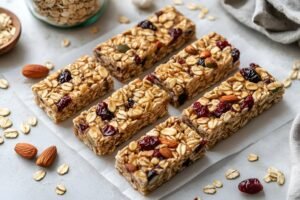
The best low sugar granola bars for everyday snacking, with tips on added sugar, fiber, protein, ingredients, and choosing healthier options. Choosing a snack sounds simple until you start checking nutrition labels. One granola bar looks healthy because it contains oats, while another is marketed as a protein snack but contains more sugar than you expected. If you want something convenient for busy mornings, afternoon cravings, or a quick bite between meals, finding the best low sugar granola bars for everyday snacking can make your routine easier without forcing you to give up flavor.
The good news is that you do not need to avoid every sweet snack. The key is to look for granola bars with less added sugar, useful amounts of fiber, and ingredients that help you feel satisfied. Whole oats, nuts, seeds, and nut butter can all make a bar more filling. In this guide, you will learn what to look for on the label, which types of granola bars are worth considering, and how to choose an option that fits your everyday needs.
What Are the Best Low Sugar Granola Bars for Everyday Snacking?
The best low sugar granola bars for everyday snacking are generally those made with whole grains, nuts, or seeds that contain around 5 grams of added sugar or less per serving. Bars with fiber and some protein can also make a more satisfying snack than products made mostly from refined grains and sweeteners. However, the best choice depends on your taste, dietary needs, budget, and how much energy you need between meals.
A low-sugar label alone does not tell the whole story. Some bars contain dates or dried fruit, which contribute natural sugars, while others use sugar alcohols or alternative sweeteners to reduce added sugar. Neither approach automatically makes a product better for everyone. Reading the full nutrition label helps you understand what you are actually eating instead of relying on the claims printed on the front of the package.
Why Choose Low-Sugar Granola Bars for Daily Snacks?
A granola bar can be a practical option when you need something portable and easy to eat. You might keep one in your work bag, pack it for a long journey, or grab one when breakfast is running late. Choosing a bar with less added sugar can help you reduce the amount of added sugar in your overall diet without making snacks feel restrictive.
Another advantage is flexibility. Nut-based bars may provide protein and unsaturated fats, while oat-based options can supply whole grains and fiber. Some bars also contain dried fruit for sweetness and texture. The important thing is to choose a product that fits your appetite rather than expecting a small snack to replace a complete meal. Pairing a granola bar with plain yogurt, milk, or a piece of fresh fruit can make it more satisfying when you need something substantial.
What to Look for When Buying Low-Sugar Granola Bars
Before choosing a brand, take a moment to check the nutrition information on the back of the package. A useful starting point is to look for around 5 grams of added sugar or less per bar, although this is a practical shopping target rather than an official definition of low sugar. Check the serving size carefully because some packages list nutrition information for two bars instead of one. It is also worth comparing fiber, protein, saturated fat, and total calories so you can find an option that suits your appetite and daily routine.
Added Sugar vs. Total Sugar
Added sugar and total sugar are not the same thing, and understanding the difference makes shopping much easier. Added sugar includes sweeteners introduced during manufacturing, such as cane sugar, syrup, honey, and some forms of concentrated sweetener. Total sugar also includes naturally occurring sugar from ingredients such as dates, raisins, and other dried fruit. A granola bar can therefore contain little or no added sugar while still having a relatively high total sugar content. Neither number should be viewed in isolation; check the ingredient list and consider the overall nutritional value of the bar.
Fiber and Whole Grains
Whole oats are a useful ingredient to look for because they provide fiber and contribute to a satisfying snack. Fiber supports normal digestion and can help make a snack more filling, especially when combined with protein and healthy fats. Nuts, seeds, and certain dried fruits can add more fiber, although the amount varies by recipe. If two bars have similar sugar content, the one with more fiber and recognizable whole-food ingredients may be the better everyday choice. You do not need a complicated ingredient list to get a decent snack.
Protein and Healthy Fats
Protein and unsaturated fats can help make a small granola bar more satisfying. Almonds, peanuts, pumpkin seeds, sunflower seeds, and nut butters are common ingredients that contribute these nutrients. Some bars also contain added protein from milk, soy, or other sources. You do not need to choose a high-protein bar every time, but it can be useful when you need a snack that keeps you going until your next meal. If you have a nut allergy, always check the ingredients and allergen warnings before trying a new product.
Best Types of Low-Sugar Granola Bars to Consider
There is no single granola bar that works for everyone. Some people prefer crunchy bars packed with nuts, while others want a soft oat bar that tastes closer to a traditional snack. Instead of choosing a product based on its packaging alone, consider the type of bar that fits your needs and then compare the nutrition labels of available brands.
Nut-Based Granola Bars
Nut-based granola bars are worth considering if you enjoy a crunchy texture and want a snack with some protein and unsaturated fat. Brands such as KIND offer varieties made with nuts and other ingredients, including products marketed without added sugar. However, recipes differ, and some varieties contain sweeteners or have more total sugar than others. Check the specific flavor rather than assuming that every product from a brand meets the same nutritional target. Nut-based bars can also be calorie-dense, which is not automatically a problem but may matter depending on your appetite and daily energy needs.
Oat-Based Granola Bars
Oat-based bars are a familiar choice for everyday snacking because they are portable, easy to eat, and often have a soft or chewy texture. Look for options that list whole oats near the beginning of the ingredient list and contain a modest amount of added sugar. Some products marketed as no-added-sugar granola bars may be harder to find depending on your location, so comparing local alternatives is often more practical than relying on one particular brand. An oat bar does not have to be sugar-free to fit into a balanced eating pattern.
High-Protein Granola Bars
High-protein granola bars can be useful when you want something more substantial between meals. They may contain nuts, seeds, milk proteins, soy proteins, or other protein-rich ingredients. Still, a high-protein claim does not guarantee that a bar is low in sugar. Some products contain chocolate coatings, syrups, or sweetened fillings that increase the sugar content. Compare both protein and added sugar, and pay attention to sugar alcohols if you are sensitive to them. For a simple everyday snack, a moderate amount of protein from familiar ingredients may be all you need.
Fruit-Sweetened Granola Bars
Fruit-sweetened bars use ingredients such as dates, raisins, or dried berries to create a sweet taste. They may be a good option if you prefer fruit-based ingredients over bars made with added table sugar. However, fruit-sweetened does not mean sugar-free, and the total sugar can still be substantial. These bars can also provide fiber, depending on the ingredients and processing. If your goal is specifically to reduce added sugar, compare the added-sugar figure and ingredient list rather than rejecting every bar that contains natural fruit sugars.
Popular Low-Sugar Granola Bar Brands to Check
If you are not sure where to begin, a few familiar brands provide a useful starting point for comparing ingredients and nutrition labels. KIND offers nut-based snack bars, Cascadian Farm has offered granola products with no-added-sugar positioning, and RXBAR makes fruit-and-nut protein bars. These products are not interchangeable, and recipes may change by flavor or market. Check the current package before buying, particularly if you have a strict added-sugar target or need to avoid a specific sweetener. Availability also varies by country, so a locally available oat or nut bar may be a better value than an imported product.
KIND Bars
KIND bars are a reasonable starting point if you like nuts, seeds, and a crunchy texture. The brand sells different product lines, and their nutrition profiles can vary considerably. Some options focus on nuts and fruit, while others are designed to reduce added sugar. Do not assume that every KIND bar is low in sugar just because the brand has a lower-sugar range. Check the exact product name, serving size, added sugar, and ingredients before deciding whether it suits your everyday routine.
Cascadian Farm Granola Products
Cascadian Farm is another brand to investigate if you prefer oat-based snacks and granola products. The brand has offered products with no-added-sugar positioning, but availability and product formulations can vary. Make sure the item you find is actually a granola bar rather than loose granola, and review the package to confirm its current nutrition information. If you cannot find a suitable bar locally, compare other oat-based options using the same criteria instead of choosing a product simply because it carries a familiar name.
RXBAR
RXBAR is known for protein bars made with ingredients such as dates, egg whites, and nuts. These bars can be appealing if you prefer a short ingredient list and want a more substantial snack. However, their fruit-based recipes may contain a notable amount of total sugar even when no added sugar is listed. That makes RXBAR a different choice from a bar specifically designed to keep total sugar low. If your main goal is to reduce added sugar, it may be worth considering; if you want to minimize total sugar as well, compare the nutrition label carefully.
How to Choose the Right Bar for Your Lifestyle
Your ideal snack depends partly on when and why you eat it. A small bar that works perfectly after lunch might leave you hungry if you have a long gap between breakfast and dinner. Think about your routine first, then choose the bar that fits it. This approach is more useful than searching for one supposedly perfect product.
For Busy Mornings
If you often leave home without much time for breakfast, choose a granola bar that contains whole grains, some protein, and fiber. Keep in mind that most bars are small, so one may not provide enough energy to replace a full breakfast. Pairing it with plain yogurt, milk, or a banana can make your morning meal more balanced. Keeping a few shelf-stable snacks in your bag or at work can also help you avoid skipping food when your schedule gets busy.
For Work, College, or Travel
For workdays, college classes, or long journeys, convenience matters almost as much as nutrition. Individually wrapped bars are easy to carry and usually require no preparation. Look for packaging that protects the bar from crumbling and check storage instructions, especially in hot weather. Chocolate-coated varieties can melt, while bars containing nuts may need careful handling if you are sharing food with people who have allergies. A few suitable bars stored in a cool, dry place can provide a convenient backup when a proper meal is delayed.
For Weight Management
If you are managing your weight, a low-sugar granola bar can fit into your routine, but sugar content alone does not determine whether a snack supports your goals. Portion size, total calories, protein, fiber, and your overall eating pattern all matter. A bar made with nuts may have less added sugar but more calories than a simple oat bar. Neither is automatically the wrong choice. Focus on a portion that satisfies your hunger, and consider pairing the bar with fruit or another food if you need a more filling snack.
For People Who Prefer Less Sweetness
If you find most snack bars too sweet, look for recipes built around oats, nuts, seeds, and mild spices rather than chocolate coatings or sugary fillings. Cinnamon, toasted nuts, and seeds can provide flavor without relying entirely on sweeteners. Plain or lightly sweetened varieties may take some trial and error to find, but they can be a good fit if you want a snack that tastes more like food than dessert. Remember that the ingredient list and nutrition panel are more reliable than claims such as natural or wholesome on the front of the package.
Are Homemade Low-Sugar Granola Bars a Better Option?
Homemade granola bars are worth considering if you want more control over sweetness, ingredients, and portion size. You can combine rolled oats, chopped nuts, seeds, a little nut butter, and mashed banana to create a snack without adding much sweetener. A small amount of honey or maple syrup can help bind the ingredients, but remember that these still contribute added sugar. Homemade bars also let you adjust the texture, making them softer or crunchier depending on your preference. Store them safely in an airtight container and refrigerate recipes containing perishable ingredients.
Simple Ingredients for Homemade Granola Bars
A basic homemade recipe can start with two cups of rolled oats, half a cup of chopped nuts or seeds, half a cup of mashed banana, and a few tablespoons of peanut butter. Mix everything together, press the mixture firmly into a lined baking pan, and bake at approximately 175°C until set and lightly golden. Let it cool completely before cutting it into bars. The exact texture and sweetness will depend on the ingredients, so treat this as a starting point rather than a guaranteed formula. If you need a specific sugar limit, calculate the nutrition for the full recipe and divide it by the number of portions.
Common Mistakes to Avoid When Buying Granola Bars
One common mistake is trusting the words healthy, natural, or protein-packed without checking the nutrition label. These descriptions do not guarantee low sugar, high fiber, or a balanced nutritional profile. Another mistake is confusing no added sugar with no sugar at all, particularly when a bar contains dates, raisins, or other dried fruit. Some shoppers also overlook serving sizes or choose a product with very little sugar but almost no fiber or protein, only to feel hungry shortly afterward. Compare the full nutrition panel, consider your own needs, and choose a bar you genuinely enjoy eating.
Conclusion
Finding the best low sugar granola bars for everyday snacking does not have to be complicated. Start with a practical target of around 5 grams of added sugar or less per bar, then compare fiber, protein, ingredients, and serving size. Nut-based bars may suit you if you prefer crunch and healthy fats, while oat-based varieties can be a familiar option for everyday convenience. Fruit-sweetened bars may reduce added sugar but still contain substantial total sugar, so the label matters. Whether you buy a packaged bar or make your own, choose something that fits your routine, satisfies your hunger, and makes healthy snacking easier to maintain.
Frequently Asked Questions
1. What is the best low-sugar granola bar for everyday snacking?
The best option is generally a bar made with whole oats, nuts, or seeds that contains around 5 grams of added sugar or less. Compare fiber, protein, and total sugar to find one that suits your needs.
2. How much sugar should a granola bar contain?
A practical shopping target is around 5 grams of added sugar or less per bar. This is a guideline rather than a strict nutritional rule, and total sugar may be higher when the bar contains dried fruit.
3. Are granola bars without added sugar healthy?
They can be a useful snack, especially when they contain whole grains, nuts, seeds, and fiber. However, no added sugar does not mean sugar-free, and the overall ingredients and portion size still matter.
4. Are low-sugar granola bars good for weight management?
They can fit into a weight-management eating pattern, but added sugar is only one factor to consider. Total calories, portion size, fiber, protein, and your overall diet also play important roles.
5. Can I eat a granola bar every day?
Yes, a suitable granola bar can be part of an everyday diet. Choose one that fits your nutritional needs, and vary your snacks with foods such as fresh fruit, plain yogurt, nuts, or whole-grain options.
Read also: Anti-Inflammatory Grocery List Healthy Foods to Buy Every Week
Pingback: How to Choose Whole Grain Bread at the Grocery Store