Best Sugar Free Dark Chocolate Bar Without Maltitol
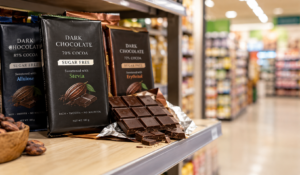
Sugar free dark chocolate bar without maltitol, discover alternative sweeteners, supermarket shopping tips, ingredient labels, and better choices. Many chocolate bars marketed as sugar-free contain alternative sweeteners, and maltitol is one of the ingredients that often appears on the label. If you want to avoid it, knowing which ingredients to look for can make your next shopping trip much easier.
The good news is that you have other options. Some dark chocolate bars use stevia, erythritol, monk fruit, or allulose instead of maltitol. Others contain very little sugar because they have a high cocoa content, although high-cocoa chocolate is not automatically sugar-free. The key is to check the ingredient list and nutrition information rather than relying only on the front of the package.
This guide explains how to find maltitol-free chocolate in a supermarket, which sweeteners to consider, how to compare products, and what to know before adding a bar to your shopping basket.
What Is a Sugar Free Dark Chocolate Bar Without Maltitol?
A sugar free dark chocolate bar without maltitol is a chocolate product made without added conventional sugar or with a qualifying sugar-free formulation, using another sweetener instead of maltitol. Depending on the product, that sweetener might be stevia, erythritol, monk fruit, or allulose. However, the exact formulation varies by brand, so checking the ingredient list is essential.
Maltitol is a sugar alcohol commonly used in sugar-free confectionery because it provides sweetness and a texture similar to sugar. Some people prefer to avoid it because it can cause bloating, gas, or a laxative effect, especially when eaten in larger amounts. Others simply want a chocolate bar made with different ingredients.
When shopping, remember that sugar-free and maltitol-free describe two different things. A chocolate bar may contain no sugar but still use maltitol as its main sweetener. Conversely, a bar without maltitol may contain regular sugar, so it is important to check both claims.
Why Do Some Shoppers Avoid Maltitol in Dark Chocolate?
Maltitol is widely used in sugar-free chocolate because it adds sweetness and helps create a smooth, familiar mouthfeel. The problem is that some people experience digestive discomfort after eating products containing it. Symptoms may include gas, bloating, stomach cramps, or loose stools, particularly when several servings are eaten. If you have noticed these effects, checking for maltitol before buying chocolate may help you make a more comfortable choice.
Another reason shoppers avoid maltitol is that they prefer a different sweetener or want to keep track of the carbohydrates in their diet. Maltitol can affect blood glucose, even though it is a sugar alcohol and is often used in products labelled sugar-free. If you manage diabetes or follow a specific carbohydrate target, review the nutrition panel and ask a qualified healthcare professional for advice suited to your needs.
Where to Find Maltitol-Free Dark Chocolate in a Supermarket
The best place to start is the supermarket’s sugar-free, diabetic-friendly, or specialty chocolate section. Some stores place these products beside regular chocolate, while others stock them with low-carb snacks and health-food products. Larger supermarkets may offer imported brands with alternative sweeteners, but availability depends on the store and location.
If you cannot find a suitable bar on the shelf, check the supermarket’s website or shopping app before visiting. Search for terms such as sugar-free dark chocolate, stevia-sweetened chocolate, and allulose dark chocolate. Then open the product details and inspect the ingredients. In Pakistan, imported products may have limited availability or different formulations, so check the actual package rather than relying entirely on an online description.
Check the Sugar-Free Chocolate Aisle First
The sugar-free aisle is a sensible starting point because it brings together products marketed to people who want alternatives to conventional sugary snacks. Look at the front and back of each package, paying particular attention to the sweetener information. Do not assume that every product in this section is maltitol-free, because many sugar-free chocolate brands use maltitol to maintain a familiar taste and texture.
Explore the Premium Dark Chocolate Section
Some supermarkets stock dark chocolate with high cocoa percentages in their premium chocolate aisle. These bars may have a deeper cocoa flavour and less sweetness than milk chocolate, making them worth considering if you prefer a less sweet snack. However, a 70%, 85%, or 90% cocoa label does not guarantee that a bar is sugar-free or free from maltitol. Check the ingredients and nutrition facts before purchasing.
Look at Imported and Specialty Products
Imported chocolate can offer more sweetener choices, including stevia, erythritol, monk fruit, and allulose. Specialty stores and online supermarkets sometimes carry products that are difficult to find in ordinary grocery shops. Compare the full ingredient list, serving size, sugar content, and total carbohydrates before choosing a product, and check whether the listed ingredients match the package you receive.
Which Sweeteners Can Replace Maltitol in Dark Chocolate?
Several sweeteners can be used in chocolate without maltitol, but they do not all taste or behave the same way. Some provide sweetness with little or no energy, while others contribute bulk and texture. The best option depends on your taste preferences, digestive tolerance, and dietary needs.
Stevia-Sweetened Dark Chocolate
Stevia is a high-intensity sweetener derived from the leaves of the stevia plant. It can provide sweetness without adding conventional sugar, which makes it an option for shoppers who want to avoid both sugar and maltitol. Because stevia is much sweeter than sugar, chocolate manufacturers may combine it with other ingredients to improve texture and flavour. Check the label to make sure the product does not also contain maltitol.
Erythritol-Sweetened Dark Chocolate
Erythritol is another sugar alcohol used in sugar-free chocolate. It generally has a smaller effect on blood glucose than conventional sugar, although individual responses can vary. Some people find it easier to tolerate than maltitol, but it may still cause digestive symptoms in certain individuals, and larger amounts can be uncomfortable. Erythritol can also create a cooling sensation in the mouth, so try a small portion before committing to a large pack.
Monk Fruit-Sweetened Dark Chocolate
Monk fruit extract is a high-intensity sweetener used in some sugar-free chocolate products. It can be combined with other sweeteners or ingredients to achieve the desired taste and texture. If you see monk fruit on the front of a package, read the full ingredient list carefully because the product may contain erythritol, maltitol, or another sweetener as well. The name of one sweetener on the front does not tell you everything about the formulation.
Allulose-Sweetened Dark Chocolate
Allulose is a low-calorie sugar that is used in some specialty chocolate products. It provides a taste and texture closer to sugar than certain high-intensity sweeteners, although the final result depends on the recipe. Availability varies by market, so allulose chocolate may be easier to find online or in specialty shops than in a typical supermarket. Always check the label for maltitol and other ingredients you want to avoid.
How to Read a Chocolate Bar Label at the Supermarket
Reading the back of a chocolate wrapper is the most reliable way to decide whether a product suits your requirements. Start with the ingredients list, then compare the nutrition panel and serving size. Marketing phrases such as no added sugar, keto-friendly, low carb, and sugar-free do not necessarily mean that the product contains no maltitol.
Ingredients to Look for on the Package
Scan the ingredient list for the word maltitol. It may appear by itself or as maltitol syrup, depending on the formulation. If you want to avoid maltitol completely, choose a product whose ingredient list does not include it, and check any available allergen or additional ingredient information. You should also review the other sweeteners to ensure they fit your preferences.
Understand Sugar-Free and No-Added-Sugar Claims
A sugar-free claim does not mean that a product is free from all carbohydrates, and it does not guarantee that every ingredient is suitable for every diet. In many markets, packaged foods must meet specific legal criteria to use sugar-related nutrition claims. The exact rules vary by country, so check the local label and nutrition declaration. A no added sugar claim is different: the product may still contain naturally occurring sugars.
Compare Total Carbohydrates and Serving Sizes
Two bars can look similar on the shelf but have different carbohydrate and sugar values. Compare the information per 100 grams when available, then check the serving size to understand what you would actually eat. Sugar alcohols may be included in total carbohydrate figures, depending on the country’s labelling rules. If you track carbohydrates for medical reasons, do not automatically subtract every sugar alcohol from the total without considering the specific product and your healthcare professional’s guidance.
How to Choose the Best Bar for Your Shopping Basket
The right chocolate bar should meet your ingredient requirements without forcing you to compromise on flavour. Start by eliminating products that list maltitol, then compare the remaining options based on cocoa percentage, sweetener type, price, and portion size. If you are new to sugar-free dark chocolate, a smaller bar is a practical way to test the taste before spending more on a multipack.
Choose a Cocoa Percentage You Enjoy
Cocoa percentage tells you how much of the chocolate comes from cocoa ingredients, but it does not reveal the exact amount of sugar or identify every sweetener. A 70% dark chocolate bar may taste balanced, while an 85% bar often has a more intense, bitter flavour. If you enjoy rich cocoa notes, a higher percentage may appeal to you, but always confirm that the product is genuinely maltitol-free.
Consider Taste and Texture
Alternative sweeteners can change how chocolate tastes and melts. Stevia-sweetened chocolate may have a slight aftertaste, erythritol can feel cooling, and allulose formulations may provide a sweetness closer to conventional sugar. These differences are normal, and there is no single sweetener that suits everyone. Buying one small bar at a time can help you discover which option you prefer.
Compare Price Before Buying
Sugar-free specialty chocolate can cost more than conventional chocolate, particularly when it is imported. Compare the price per 100 grams rather than judging a product by its package price alone. A small, expensive bar may cost considerably more per serving than a larger option. Also check delivery charges and expiry dates when shopping online, especially if you are buying a product you have never tried before.
Can You Find Sugar-Free Dark Chocolate Without Maltitol in Pakistan?
Yes, it is possible to look for maltitol-free dark chocolate in Pakistan, although supermarket availability may be limited and can change from one retailer to another. Start with larger grocery stores, imported-food retailers, specialty chocolate shops, and online supermarkets that display ingredient information. If a listing does not show the full ingredients, contact the seller before ordering instead of assuming that a sugar-free claim means the product is maltitol-free.
When shopping online, compare the product photograph with the written description and ask for a clear image of the ingredient label if necessary. Imported products can sometimes have different formulations, packaging, or nutrition information across markets. For that reason, the physical wrapper you receive should be your final check.
Is Sugar-Free Dark Chocolate a Healthy Choice?
Sugar-free dark chocolate can be a reasonable treat, but the words sugar-free do not automatically make it a health food. Cocoa contains compounds called flavanols, and dark chocolate can also provide fat and energy. The nutritional value of a finished bar depends on its cocoa content, ingredients, portion size, and overall formulation. A product made without maltitol can still be high in calories or contain ingredients you prefer to limit.
Portion size matters, too. A small piece enjoyed after a meal may fit into your eating habits more easily than finishing an entire bar in one sitting. If you have a medical condition that affects blood glucose or digestion, consider the complete nutrition label rather than focusing on sugar alone. Sugar-free chocolate is best treated as an alternative confectionery choice, not as a replacement for a balanced diet.
Common Mistakes to Avoid When Buying Maltitol-Free Chocolate
One common mistake is choosing a product based only on its front label. Words such as keto, diabetic-friendly, and no added sugar do not guarantee the absence of maltitol. Another mistake is assuming that dark chocolate contains no sugar simply because it tastes bitter. Cocoa percentage affects flavour, but the ingredient list is still the place to confirm which sweeteners have been used.
It is also easy to overlook serving sizes and total carbohydrates. A bar may appear low in sugar per serving, but the serving could be much smaller than the amount you normally eat. Finally, do not assume that every alternative sweetener will suit your digestion. Read the label, try a modest portion, and pay attention to how your body responds.
Conclusion
Finding a sugar free dark chocolate bar without maltitol becomes much easier once you know what to look for. Start in the sugar-free or specialty chocolate section, inspect the ingredients, and consider bars sweetened with stevia, erythritol, monk fruit, or allulose. Each option has its own flavour and texture, so the best choice is the one that meets your ingredient preferences and tastes good to you.
Before adding a bar to your supermarket basket, check the complete ingredient list and nutrition panel. If the label is unclear, ask the retailer or choose a product with transparent ingredient information. That simple habit can save you money and help you find a chocolate bar you can enjoy with confidence.
Frequently Asked Questions
1. Which sugar-free dark chocolate bars do not contain maltitol?
Some chocolate bars use stevia, erythritol, monk fruit, or allulose instead of maltitol. However, formulations differ between brands, so check the complete ingredients list before buying. Do not rely on the words sugar-free alone.
2. Can I buy maltitol-free dark chocolate at a supermarket?
Yes, some supermarkets stock maltitol-free chocolate in their sugar-free, premium chocolate, or specialty-food sections. Availability depends on the store and country. If you cannot find a suitable bar, check online grocery retailers and review the ingredients before ordering.
3. Is stevia better than maltitol in dark chocolate?
Stevia may be a suitable alternative if you want to avoid maltitol. It provides sweetness without adding conventional sugar, but the overall nutritional profile depends on the other ingredients. Some stevia-sweetened bars also contain other sweeteners, so check the label.
4. Does 85% dark chocolate contain maltitol?
Not necessarily. An 85% cocoa chocolate bar may contain sugar, maltitol, another sweetener, or no added sweetener, depending on the recipe. The cocoa percentage alone cannot confirm whether the product contains maltitol.
5. Is erythritol a good alternative to maltitol?
Erythritol is an alternative used in some sugar-free chocolate bars and generally has a smaller effect on blood glucose than conventional sugar. However, it can cause digestive discomfort in some people, particularly in larger amounts. Individual tolerance varies.
Pingback: Best Dairy Products to Include in a Healthy Diet