Cold Pressed Extra Virgin Olive Oil for Cooking
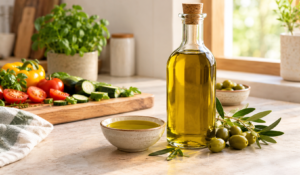
Cold pressed extra virgin olive oil for cooking: discover its benefits, best uses, heat tolerance, storage tips, and how to choose quality olive oil. Cold pressed extra virgin olive oil stands out because it offers a rich taste, beneficial fats, and natural plant compounds that make it a useful choice for everyday meals. But is it suitable for frying, sautéing, roasting, and high-heat cooking? The answer is yes for many common cooking methods, provided you use it properly and avoid overheating it. In this guide, you’ll learn how to choose good-quality olive oil, what cold-pressed really means, how it behaves when heated, and how to get the most out of every bottle.
What Is Cold Pressed Extra Virgin Olive Oil?
Cold pressed extra virgin olive oil is made by extracting oil from fresh olives using mechanical methods without relying on chemical solvents. The term extra virgin refers to a higher quality category with strict standards for acidity, processing, and sensory characteristics. Cold extraction helps preserve the oil’s natural flavor and many of its beneficial compounds. Depending on the olives used, the oil may taste mild and buttery, grassy and fresh, or slightly peppery at the back of the throat. These differences are normal and often reflect the olive variety, harvest time, and production method.
Is Cold Pressed Extra Virgin Olive Oil Good for Cooking?
Yes, cold pressed extra virgin olive oil is a good option for most everyday cooking. It works well for sautéing vegetables, cooking eggs, roasting potatoes, baking, and preparing sauces. It also contains mostly monounsaturated fat, particularly oleic acid, along with naturally occurring antioxidants. Its suitability depends on how hot you heat it and how long it stays exposed to heat. For ordinary home cooking, you generally do not need to avoid extra virgin olive oil simply because it is less refined. The key is to use a sensible temperature, watch for smoke, and choose an oil you enjoy eating.
What Does Cold Pressed Mean?
The term cold pressed describes an extraction process designed to limit heat during oil production. Modern olive oil producers often use mechanical crushing and centrifugation rather than traditional presses, so you may also see the term cold extracted on the label. The goal is to obtain oil without excessive heat that could affect its aroma, flavor, and delicate natural compounds. However, cold pressed does not automatically mean organic, unadulterated, or nutritionally superior to every other olive oil. Quality also depends on the olives, handling, freshness, processing, and storage conditions.
Understanding Extra Virgin Olive Oil
Extra virgin olive oil is the highest standard commercial grade of olive oil under established classification systems. It must meet chemical requirements and pass sensory assessments that rule out defects such as rancid or musty flavors. Unlike refined olive oil, it retains more of the compounds naturally present in olives, including certain phenolic antioxidants. These compounds contribute to its characteristic bitterness and peppery finish. When shopping, look for a clearly labeled extra virgin product from a reputable producer rather than relying on phrases such as pure, natural, or premium, which do not necessarily indicate the same quality standard.
Can You Use Cold Pressed Extra Virgin Olive Oil for High-Heat Cooking?
Extra virgin olive oil can handle many high-temperature cooking tasks, including roasting and pan-frying, but it is not a reason to ignore temperature control. Its smoke point varies with the oil’s quality, freshness, and composition, so there is no single number that applies to every bottle. Some extra virgin olive oils have smoke points around 190–210°C (374–410°F), although individual products may fall outside that range. Smoke point is only one factor in cooking stability; the oil’s fatty acid composition and natural antioxidants also matter. For best results, heat the oil gradually, avoid leaving it smoking in an empty pan, and lower the temperature if it begins to burn.
Best Ways to Use Olive Oil in Everyday Cooking
One of the easiest ways to use olive oil is to make it part of meals you already prepare. Add a little to a pan before cooking onions, garlic, or vegetables, or toss chopped potatoes with olive oil and seasonings before roasting them. It also works well in marinades for chicken and fish, where it helps distribute herbs and spices. For cold dishes, combine it with lemon juice, vinegar, mustard, or fresh herbs to create a quick dressing. You do not need a complicated recipe to benefit from a good olive oil; even simple meals can taste better with the right balance of ingredients.
Is Olive Oil Suitable for Frying?
Yes, extra virgin olive oil can be used for shallow-frying and pan-frying when the temperature is controlled. It is suitable for foods such as eggs, vegetables, fish, and small pieces of chicken. For deep-frying, it can also work, although the price and distinctive flavor may make it less practical for some households. Keep the oil at a steady temperature and avoid repeatedly heating the same batch for long periods. If the oil becomes very dark, smells unpleasant, or produces persistent smoke, it is time to discard it. The goal is not to keep the oil at the highest possible temperature but to cook food properly without damaging the oil.
Cold Pressed Olive Oil vs. Refined Olive Oil
The main difference is how the oils are processed and what that means for flavor and composition. Extra virgin olive oil is mechanically extracted and retains its characteristic olive taste, while refined olive oil undergoes additional processing to remove defects and produce a more neutral flavor. Refined olive oil is often useful when you want a milder taste or a less expensive option for certain cooking tasks. Extra virgin olive oil, on the other hand, offers more of the natural flavor and phenolic compounds associated with olives. Neither type is automatically right for every recipe, so your cooking method, budget, and taste preferences should guide your choice.
Health Benefits of Cold Pressed Extra Virgin Olive Oil
Extra virgin olive oil is best known for its high proportion of monounsaturated fats, which can support heart health when they replace saturated fats in an overall balanced diet. It also contains varying amounts of polyphenols and vitamin E, depending on the olive variety, processing, and storage conditions. Research on Mediterranean-style eating patterns, which often include olive oil, has linked these dietary habits with better cardiovascular health. However, olive oil is not a medicine, and no single ingredient can prevent every disease. It is most useful as part of a diet that includes vegetables, fruits, whole grains, beans, nuts, and other nutritious foods.
Does Olive Oil Lose Its Benefits When Heated?
Heating olive oil can reduce some heat-sensitive compounds, including certain polyphenols, but that does not mean all its nutritional value disappears when you cook with it. Its monounsaturated fats remain an important part of its composition, and research suggests that extra virgin olive oil can be reasonably stable during many normal cooking methods. The amount of change depends on temperature, cooking duration, and exposure to air. If you want to enjoy more of its fresh flavor and delicate compounds, use some oil in dressings or drizzle a little over food after cooking. You can still use it for everyday hot meals without treating it as an ingredient that must never be heated.
How to Choose the Best Cold Pressed Extra Virgin Olive Oil
A good bottle begins with a clear label and a trustworthy producer. Look for the words extra virgin olive oil and check whether the packaging provides useful information about the origin, harvest, or bottling date. Freshness matters because olive oil gradually loses aroma and quality when exposed to oxygen, heat, and light. Dark glass bottles and opaque containers help protect the oil during storage. A bitter taste or a peppery sensation can be normal in fresh extra virgin olive oil, while a waxy, stale, or crayon-like smell may suggest rancidity. Price alone cannot guarantee quality, so compare the label, packaging, freshness information, and reputation of the seller.
Is Expensive Olive Oil Always Better?
Not necessarily. A costly bottle may offer a distinctive olive variety, a specific harvest, or careful production, but a higher price does not automatically make it the best choice for your kitchen. If you cook frequently, a reasonably priced, fresh extra virgin olive oil from a reputable brand may be more practical than a rare premium oil. You can save a particularly flavorful bottle for salads, bread, and finishing dishes while using a milder option for everyday cooking. The best choice is one that meets recognized quality standards, tastes pleasant to you, and fits your budget.
How to Store Olive Oil Properly
Proper storage helps preserve the flavor and quality of olive oil for longer. Keep the bottle in a cool, dark cupboard away from direct sunlight, the stove, and other sources of heat. Close the cap tightly after every use to reduce contact with air, and avoid transferring the oil into an uncovered container. Buying a size you can finish within a reasonable period is often better than keeping a large bottle open for months. Refrigeration is usually unnecessary for normal household storage, although olive oil may become cloudy or solidify when chilled; this is generally reversible when it returns to room temperature.
Common Mistakes to Avoid When Cooking With Olive Oil
One common mistake is allowing the oil to smoke because the pan was heated for too long before the ingredients were added. Another is assuming that cold pressed means the oil cannot be used for hot food. People also sometimes keep a bottle beside the stove for convenience, exposing it to repeated heat and light. Reusing frying oil too many times can further reduce its quality, especially when it has been overheated or contains food residue. Finally, adding excessive oil to a meal can increase its calorie content quickly, even when the oil is nutritious. Using a moderate amount and storing the bottle properly makes everyday cooking easier and more enjoyable.
Cold Pressed Extra Virgin Olive Oil for Cooking in Pakistan
For households in Pakistan, extra virgin olive oil can be a useful addition to a kitchen where meals often include vegetables, lentils, chicken, eggs, and rice. It works well for sautéing onions, preparing vegetable dishes, roasting chicken, and making fresh salads. However, if your daily cooking involves large amounts of deep-frying or very high heat, consider your budget and cooking habits before replacing every other oil with an expensive olive oil. You can use extra virgin olive oil for many regular meals while choosing other suitable cooking oils when they better fit your needs. Always check the label carefully, buy from a reputable retailer, and avoid products with unclear ingredients or questionable storage conditions.
Is Cold Pressed Extra Virgin Olive Oil Worth Buying?
For many households, yes. It offers a combination of pleasant flavor, mostly monounsaturated fat, and naturally occurring antioxidants, making it a worthwhile option for a varied, balanced diet. Its versatility is another advantage: one bottle can be used for cooking, marinades, dressings, and finishing dishes. The main considerations are price, freshness, and whether you enjoy its distinctive taste. You do not need the most expensive bottle available to cook well. Choose a genuine extra virgin product from a reliable source, store it correctly, and use it in ways that suit your meals.
Conclusion
Cold pressed extra virgin olive oil is a practical choice for everyday cooking when used at appropriate temperatures. It can add flavor to simple meals, work well in many hot dishes, and provide beneficial unsaturated fats. Although some delicate compounds may decrease during heating, you do not need to reserve every drop for salads. Focus on quality, sensible cooking temperatures, and proper storage rather than worrying that ordinary cooking will ruin the oil. A fresh bottle from a trustworthy producer can be a useful part of a healthy, balanced kitchen.
Frequently Asked Questions
1. Can I use cold pressed extra virgin olive oil for daily cooking?
Yes, you can use it regularly for sautéing, roasting, baking, cooking eggs, and preparing vegetables. Keep the temperature under control and avoid allowing the oil to smoke.
2. Is cold pressed extra virgin olive oil safe for frying?
Yes, it can be used for shallow-frying and deep-frying when the temperature is managed properly. However, repeated overheating and prolonged reuse can degrade its quality.
3. Is extra virgin olive oil healthier than regular cooking oil?
Extra virgin olive oil is rich in monounsaturated fats and contains natural antioxidants. Its health advantages depend partly on which foods and fats it replaces in your overall diet.
4. What is the difference between cold pressed and extra virgin olive oil?
Cold pressed describes an extraction method, while extra virgin identifies a quality grade with specific chemical and sensory requirements. A bottle may carry both descriptions.
5. Does heating olive oil destroy its nutrients?
Heating can reduce some sensitive antioxidants, but it does not eliminate all nutritional value. Olive oil retains its predominantly monounsaturated fat composition during ordinary cooking.
Read also: Lactose Free Sliced Cheddar Cheese for Sandwiches
Pingback: Best Sugar Free Dark Chocolate Bar Without