Gluten Free Frozen Pizza Crust That Actually Tastes Good
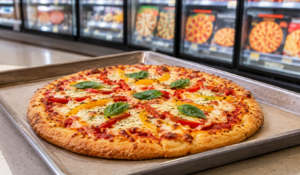
gluten free frozen pizza crust that actually tastes good with supermarket shopping tips, popular brands, baking advice, and ingredient checks. Finding a gluten-free frozen pizza crust that actually tastes good can feel like a small victory. You want a crust that gets crispy in the oven, holds your favorite toppings, and tastes like pizza rather than a dry cracker or a crumbly piece of bread. Thankfully, supermarkets and grocery stores now offer more gluten-free pizza options than they used to, including ready-made crusts, frozen cauliflower bases, and gluten-free pizzas that only need reheating.
The trick is knowing what to look for before you put a box in your shopping cart. Not every gluten-free crust has the same texture, flavor, or baking instructions. Some are better for thin, crispy pizzas, while others work well for a softer, more traditional pizza night at home. This guide explains how to find the best options in the supermarket, what ingredients to check, and how to make a store-bought crust taste even better.
What Is a Gluten-Free Frozen Pizza Crust?
A gluten-free frozen pizza crust is a ready-made pizza base made without wheat gluten, designed to be stored in the freezer until you’re ready to cook it. Supermarkets may stock traditional-style gluten-free crusts made with rice flour, tapioca starch, or other alternative flours, alongside cauliflower-based and cheese-based options. These crusts save time because you can add your favorite toppings without mixing dough, waiting for it to rise, or cleaning a flour-covered kitchen.
Why Finding a Gluten Free Frozen Pizza Crust That Actually Tastes Good Matters
For many people, pizza is more than a quick meal. It’s an easy Friday-night dinner, a family favorite, or something to enjoy while watching a movie. When you switch to gluten-free food, you don’t necessarily want to give up the taste and texture you loved before. A good supermarket pizza crust should have a pleasant flavor, hold its shape under cheese and sauce, and cook without turning hard or falling apart. The best choice is not always the most expensive package or the one with the healthiest-sounding ingredients. It is the crust that suits your taste, cooks reliably, and makes you want another slice.
What to Look for in the Supermarket
When shopping for gluten-free frozen pizza crust, start in the supermarket’s frozen food aisle, particularly the section for specialty foods, frozen pizzas, or gluten-free products. Some stores keep gluten-free pizza bases in a separate free-from section, while others place them beside ordinary frozen pizzas. Read the package carefully because a product labeled gluten-free pizza may be a fully topped pizza rather than a plain crust. If you want to make your own pizza, choose a base that lets you control the sauce, cheese, vegetables, and other toppings. Also check the storage instructions, cooking temperature, and whether the crust needs to thaw before baking.
Best Gluten-Free Frozen Pizza Crusts to Look For
The best option depends on whether you prefer a traditional dough-like texture, a crisp thin base, or something with a slightly different flavor. Supermarkets stock different brands depending on the country, store size, and local demand, so treat these products as options to look for rather than a guarantee of local availability.
1. Cappello’s Naked Pizza Crust
Cappello’s Naked Pizza Crust is worth considering if you want a ready-made base for homemade pizza and prefer a crust with more substance than a thin, cracker-like alternative. Its almond-flour-based recipe offers a different texture from conventional wheat dough, making it suitable for people who enjoy experimenting with alternative ingredients. Look for it in specialty frozen-food sections or retailers that carry a wider range of gluten-free products. Before buying, check the current package details and preparation instructions, particularly if you have a nut allergy or need to avoid cross-contact with allergens.
2. Against the Grain Pizza Products
Against the Grain is another brand to consider if you prefer a richer, chewy texture. Its pizza products use cheese in the crust, creating a different eating experience from rice-flour or cauliflower-based alternatives. This can be appealing if you find some gluten-free bases too dry or brittle. However, the product range may include ready-topped pizzas rather than plain frozen crusts, so check what the supermarket actually carries. It is also important to review the ingredient list if you avoid dairy, since cheese is a defining ingredient in these products.
3. Schär Gluten-Free Pizza Crust
Schär is a recognizable name in gluten-free foods and offers pizza bases in some markets. Its ready-made crusts can be useful when you want to prepare a quick homemade pizza without making dough from scratch. The texture and cooking requirements depend on the particular product, and some varieties may be sold outside the frozen aisle. If you’re shopping in a supermarket, check the gluten-free bread section as well as the freezer. A Schär crust is a practical option when you want a simple base for tomato sauce, mozzarella, mushrooms, peppers, or other familiar pizza toppings.
4. Trader Joe’s Cauliflower Pizza Crust
Trader Joe’s Cauliflower Pizza Crust is an option for shoppers who enjoy a thinner base with a vegetable-based ingredient profile. Cauliflower crusts can brown nicely and provide a satisfying alternative to conventional pizza dough, although their texture is usually different from a bread-style crust. They may be more delicate, so follow the package instructions and avoid loading them with too many wet toppings. Trader Joe’s availability is limited to its own stores, meaning this option won’t be accessible in every country or supermarket. Always check the current packaging for gluten-free labeling and ingredient information.
5. Supermarket Own-Brand Gluten-Free Pizza Bases
Don’t overlook supermarket own-brand products. Some grocery stores carry gluten-free pizza bases under their private labels, and these may cost less than specialist brands. They can be a sensible starting point if you want to test different crust styles without spending too much on a single meal. Compare the package size, number of bases, ingredients, and preparation instructions rather than judging by price alone. If the supermarket offers customer reviews or a product information page, those can help you narrow your choices. Availability varies, so ask a store employee if you cannot find gluten-free pizza crusts in the frozen section.
Which Gluten-Free Pizza Crust Tastes Most Like Regular Pizza?
If your priority is a taste and texture close to traditional pizza, look for a gluten-free crust made with a balanced flour-and-starch blend rather than choosing one based on the word “gluten-free” alone. Rice flour, tapioca starch, and similar ingredients can help create a base that is crisp on the outside and softer inside, although results vary between recipes. Cheese-based crusts may feel richer and chewier, while cauliflower bases are often more delicate. No single type will suit everyone. If possible, try one crust at a time and compare how it tastes after baking, how well it supports toppings, and whether the edges stay crisp.
How to Choose the Right Crust for Your Taste
The easiest way to choose is to think about the pizza you normally enjoy. If you like thin, crunchy pizza, a thin gluten-free base or cauliflower crust may be a good match. If you prefer a soft center with a firmer edge, try a traditional-style gluten-free dough made with alternative flours and starches. For a richer flavor, a cheese-based crust might be worth trying, provided it fits your dietary needs. You should also consider what you’ll put on top. A sturdy crust works better for generous toppings, while a thinner base may suit a simple tomato-and-mozzarella pizza.
How to Read Gluten-Free Pizza Crust Labels
The front of a package can make a product look suitable, but the ingredient list and allergen information tell you more. Look for a clear gluten-free statement and review ingredients such as wheat, barley, rye, and malt, which can introduce gluten. If you have celiac disease, a certified gluten-free label or a trustworthy gluten-free claim supported by appropriate controls can provide additional reassurance. Also check for allergens such as milk, eggs, soy, or nuts if you avoid them. A cauliflower crust is not automatically gluten-free, and a gluten-free crust is not automatically dairy-free, vegan, or low in carbohydrates.
How to Make Supermarket Gluten-Free Pizza Crust Taste Better
A supermarket crust can taste much better when you prepare it properly. Start by following the instructions on the package because some bases cook directly from frozen, while others require thawing or a short pre-bake. Make sure your oven has reached the recommended temperature before putting the pizza inside. A hot oven helps the base brown instead of drying out slowly. Use a moderate amount of sauce, spread the cheese evenly, and avoid piling on ingredients that release lots of water. Mushrooms, fresh tomatoes, and frozen vegetables may need preparation to reduce excess moisture.
The Best Toppings for a Gluten-Free Frozen Pizza
The right toppings can turn a basic supermarket crust into a meal you’ll genuinely look forward to eating. For a classic flavor, try tomato sauce, mozzarella, and a little dried oregano. If you prefer something more filling, add cooked chicken, bell peppers, red onion, or olives. Keep the toppings reasonably light if your crust is thin or delicate, and cook raw meat thoroughly before adding it to the pizza. For a vegetarian option, roasted vegetables and a little feta can work well. The goal is to complement the crust rather than overwhelm it, especially when you’re testing a new brand for the first time.
Common Mistakes That Make Gluten-Free Pizza Crust Taste Bad
One of the biggest mistakes is adding too much sauce, which can leave the middle soggy even when the edges look done. Another is baking the pizza at the wrong temperature or removing it before the bottom has browned properly. Some people also expect every gluten-free crust to stretch and chew exactly like wheat dough, but alternative flours behave differently. Give each product a fair chance by following its own cooking instructions instead of using the same method for every brand. If the crust still feels soft, a short additional bake may help, provided the package instructions allow it and the toppings are not burning.
Where to Find Gluten-Free Frozen Pizza Crust in a Supermarket
Start with the frozen pizza aisle, then check the dedicated gluten-free or free-from section if the store has one. Some supermarkets stock plain pizza bases beside frozen bread, while others sell them in the chilled section or on shelves with packaged gluten-free baking products. If you cannot find a suitable option, ask whether the store can order it or check its online grocery catalog. In smaller supermarkets, you may find more fully topped gluten-free pizzas than plain crusts. When shopping online, read the product description carefully so you don’t accidentally order a complete pizza when you only need the base.
Is Gluten-Free Frozen Pizza Crust Worth the Price?
For many households, it is worth paying a little extra for a crust that saves preparation time and tastes good. Making gluten-free pizza dough at home can be rewarding, but it often involves measuring alternative flours, mixing ingredients, and adjusting the recipe to get the right texture. A ready-made frozen base offers convenience on busy evenings and makes it easier to prepare separate pizzas for people with different dietary needs. Still, a higher price does not guarantee better flavor. Compare the cost per crust, package size, ingredients, and how much you enjoy the finished pizza before deciding which product deserves a permanent place in your freezer.
Can You Freeze and Reheat Gluten-Free Pizza Crust?
Most products sold frozen should be stored according to the package instructions, and many are best cooked directly from frozen or after the specific thawing process recommended by the manufacturer. If you have leftover baked pizza, refrigerate it promptly in a covered container and reheat it according to safe food-handling guidance. A hot oven or air fryer can help restore some crispness, while a microwave tends to produce a softer texture. Avoid repeatedly thawing and refreezing a crust unless the manufacturer specifically says it is safe to do so. The original packaging is the best source for storage limits and preparation directions.
Is Gluten-Free Frozen Pizza Crust Suitable for People With Celiac Disease?
A gluten-free pizza crust may be suitable for someone with celiac disease when it meets appropriate gluten-free standards, but the label and preparation environment matter. Check for a clear gluten-free claim and review allergen information, especially if the product is manufactured alongside wheat-containing foods. At home, use clean baking trays, utensils, and work surfaces, and avoid sharing a pizza stone or other equipment that may carry flour residue. If you’re buying from a supermarket deli or bakery counter rather than purchasing a sealed product, ask about ingredients and cross-contact procedures. When in doubt, choose a clearly labeled packaged product and consult a qualified healthcare professional or dietitian for individual dietary guidance.
Conclusion
Finding a gluten free frozen pizza crust that actually tastes good is mostly about choosing the right style and knowing how to cook it. Supermarkets offer different options, from traditional-style gluten-free bases to cauliflower and cheese-based alternatives, but availability depends on where you shop. Read the packaging, choose a texture that matches your preferences, and keep your first batch of toppings simple so you can judge the crust itself. With a properly heated oven, a light hand with the sauce, and a little attention to baking time, a store-bought gluten-free base can make a genuinely enjoyable homemade pizza.
FAQs
1. What is the best gluten-free frozen pizza crust that actually tastes good?
The best crust depends on your preferences. Traditional-style gluten-free bases suit people who want a familiar pizza texture, cauliflower crusts appeal to those who prefer a thinner base, and cheese-based options offer a richer bite. Try a small selection to find your favorite.
2. Which supermarket sells gluten-free frozen pizza crust?
Availability varies by country and store. Check the frozen pizza aisle, gluten-free section, or online grocery catalog. Some supermarkets carry plain bases, while others mainly stock fully topped gluten-free pizzas.
3. Does gluten-free frozen pizza crust taste different from regular pizza crust?
It can. Gluten-free crusts may be crispier, denser, softer, or more delicate than wheat-based dough. The difference depends on the flour blend, recipe, and cooking method. A well-prepared crust can still deliver a delicious pizza experience.
4. How do I make frozen gluten-free pizza crust crispy?
Preheat the oven fully, follow the package instructions, and avoid excess sauce or wet toppings. Bake until the base is properly browned. A preheated baking tray may also help, if suitable for the product.
5. Is cauliflower pizza crust always gluten-free?
No. Although cauliflower is naturally gluten-free, other ingredients in the crust may contain gluten. Always check the ingredient list and gluten-free labeling before buying.
Read also: Canned Cake in Supermarket Flavors, Packaging, and Storage
Pingback: Lactose Free Sliced Cheddar Cheese for Sandwiches