Monthly Grocery List for 2 People on a Budget
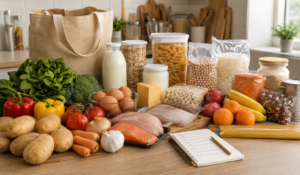
Plan your monthly grocery list for 2 with practical quantities, pantry staples, fresh produce, proteins, and budget-friendly shopping tips. A good monthly grocery list for 2 should cover everyday meals, breakfast foods, snacks, cooking basics, fresh produce, and a few household essentials without filling the kitchen with food that eventually gets thrown away. The key is to think about what you actually eat, how often you cook, and which foods can safely stay fresh for several weeks. This guide gives you a practical starting point that can be adjusted for your budget, eating habits, and local prices.
How Much Groceries Do 2 People Need?
Two adults generally need enough groceries for around three meals a day, although the exact amount varies depending on appetite, work schedules, eating out, and dietary preferences. Instead of buying everything in bulk at the beginning of the month, it is usually smarter to divide your shopping into monthly pantry items and weekly fresh foods. Rice, pasta, flour, lentils, cooking oil, canned foods, and frozen ingredients can be purchased less frequently, while milk, bread, fruit, vegetables, and some dairy products are better bought throughout the month. This approach keeps your kitchen organized and helps prevent unnecessary waste.
Monthly Grocery List for 2
A useful monthly grocery list should be broad enough to support different meals but simple enough that you can actually use it while shopping. The quantities below are a starting point rather than strict rules. If you eat more meat, for example, you can increase the protein section, while vegetarians can replace meat with beans, lentils, chickpeas, tofu, or other plant-based options. The goal is to create a flexible list that works with your normal routine instead of forcing you to completely change the way you eat.
Meat and Protein
Protein is one of the main parts of a monthly food budget, so it helps to decide how many meals you normally prepare with chicken, beef, fish, eggs, or other protein sources. For two people, around 5–6 pounds of chicken, 3–4 pounds of beef or minced meat, and 2–3 pounds of fish can provide a useful base if you regularly eat meat. Eggs are another inexpensive and versatile option, so 2–3 dozen can work well for breakfasts, sandwiches, baking, and quick dinners. Beans, chickpeas, lentils, peanut butter, and other plant-based foods can also stretch your meals without requiring a large grocery budget.
Protein Items
- Chicken: 5–6 lb (2.3–2.7 kg)
- Beef or minced meat: 3–4 lb (1.4–1.8 kg)
- Fish: 2–3 lb (1–1.4 kg)
- Eggs: 2–3 dozen
- Canned beans: 4–6 cans
- Chickpeas: 4–6 cans or 1–2 kg dried
- Lentils/daal: 2–3 kg
- Peanut butter: 1 jar
Dairy and Eggs
Milk, yogurt, cheese, and butter are useful staples for many two-person households, but the right amount depends heavily on how often you use them. A reasonable starting point is around 2–3 gallons of milk for the month if you drink it regularly, along with 2–3 large tubs of yogurt and roughly 1–1.5 pounds of cheese. Butter can usually be purchased as one or two packs depending on how much you cook and bake. If your household does not drink much milk, reduce the quantity and spend that part of the budget on foods you use more often.
Dairy Items
- Milk: 2–3 gallons (7.5–11 L)
- Yogurt: 2–3 large tubs
- Cheese: 1–1.5 lb (450–700 g)
- Butter: 1–2 packs
- Cream or other dairy products: as needed
Grains and Bread
Grains are some of the easiest foods to store, making them ideal for monthly shopping. Around 5 pounds of rice can be enough for many two-person households, while 3–4 boxes of pasta provide convenient options for quick lunches and dinners. Flour is useful for homemade bread, pancakes, sauces, and baking, while oats make an inexpensive breakfast. Bread is different because it does not stay fresh for an entire month, so buying a loaf every week or freezing extra loaves can work better.
Grain Items
- Rice: 5 lb (2.3 kg)
- Pasta: 3–4 boxes
- Flour: 5–10 lb (2.3–4.5 kg)
- Oats: 1 large container
- Bread: 4–6 loaves
- Breakfast cereal: 1–2 boxes
- Tortillas or wraps: 2–4 packs
Pantry Staples
A well-stocked pantry makes monthly meal planning much easier because you do not have to buy basic ingredients every time you cook. Cooking oil, sugar, salt, spices, canned tomatoes, sauces, stock, and other shelf-stable ingredients can support dozens of simple meals. These items also tend to last longer than fresh foods, so you can check what you already have before adding them to your shopping cart. If you cook mostly South Asian meals, you may want to prioritize rice, flour, lentils, spices, tea, and cooking oil according to your normal recipes.
Pantry Items
- Cooking oil: 2–3 L
- Sugar: 1–2 kg
- Salt: 1 pack
- Canned tomatoes: 4–6 cans
- Tomato paste: 1–2 cans
- Tea or coffee: 1 pack
- Stock cubes or broth: 1 pack
- Ketchup: 1 bottle
- Cooking sauces: 1–2 bottles
- Basic spices: as needed
- Vinegar: 1 bottle
- Baking powder: 1 pack
- Flour or cornstarch: as needed
Vegetables
Vegetables are important for everyday meals, but buying an entire month’s supply at once is usually not the best approach. Onions, potatoes, garlic, and some root vegetables can last considerably longer, while leafy greens, tomatoes, cucumbers, and fresh herbs are better purchased weekly. For two people, around 3–4 kg of onions and potatoes each can provide a useful base for regular cooking, while smaller quantities of carrots, peppers, tomatoes, greens, and other vegetables can be replenished throughout the month.
Vegetable Items
- Onions: 3–4 kg
- Potatoes: 3–4 kg
- Tomatoes: 2–3 kg
- Carrots: 1–2 kg
- Garlic: 250–500 g
- Ginger: 250–500 g
- Bell peppers: 1–2 kg
- Cucumbers: 1–2 kg
- Spinach or leafy greens: 4–6 bunches
- Broccoli: 2–3 heads
- Cauliflower: 1–2 heads
- Fresh herbs: as needed
- Frozen vegetables: 1–3 bags
Fruits
Fruit is another category where weekly shopping makes more sense than buying everything at the start of the month. Bananas are inexpensive and convenient but can become overripe quickly, while apples, oranges, and some seasonal fruits usually keep longer. A simple approach is to choose two or three everyday fruits and rotate seasonal options based on price. For two people, purchasing roughly 2–3 kg of apples, 2–3 kg of oranges or another seasonal fruit, and several bunches of bananas throughout the month gives you variety without creating a huge amount of waste.
Fruit Items
- Bananas: 4–6 bunches over the month
- Apples: 2–3 kg
- Oranges or seasonal fruit: 2–3 kg
- Lemons: 500 g–1 kg
- Grapes or berries: as desired
- Seasonal fruit: 1–2 kg
Snacks and Breakfast Foods
Snacks are easy to overlook when planning groceries, but they can quietly increase your monthly spending. Rather than buying a large collection of packaged snacks, choose a few foods that you genuinely enjoy and will use. Oats, peanut butter, nuts, popcorn, yogurt, fruit, crackers, and cereal can provide simple breakfast or snack options. If you usually eat breakfast at home, keep ingredients for two or three reliable meals instead of buying something different for every morning.
Snack and Breakfast Items
- Oats: 1 large container
- Peanut butter: 1 jar
- Nuts: 500 g–1 kg
- Crackers: 1–2 packs
- Popcorn: 1 pack
- Cereal: 1–2 boxes
- Granola: 1 pack
- Biscuits: 1–2 packs
- Dried fruit: 1 pack
Drinks
Your drink choices can make a noticeable difference to your grocery bill, especially if you regularly purchase soft drinks, juices, bottled water, or specialty coffee. For everyday use, water, tea, coffee, and milk are usually enough for many households. If you enjoy juice or soft drinks, set a reasonable monthly amount rather than buying them whenever you see a promotion. This keeps your grocery list focused and prevents drinks from taking up a surprisingly large part of your budget.
Drink Items
- Tea: 1 pack
- Coffee: 1 jar or pack
- Milk: included in dairy
- Juice: 2–4 bottles or cartons
- Drinking water: according to household needs
- Hot chocolate: 1 pack if desired
Household Essentials
Food is usually the main focus of a grocery trip, but household products should also be considered if you want one complete monthly shopping plan. Toilet paper, laundry detergent, dishwashing liquid, cleaning products, garbage bags, tissues, and sponges are common essentials. These products do not need to be replaced every month at exactly the same rate, so check your cupboards before shopping. Buying larger packs can sometimes reduce the cost per unit, but only do so when you have enough storage space and know you will use the products.
Household Items
- Toilet paper: 1 large pack
- Tissues: 2–4 boxes
- Paper towels: 2–4 rolls or packs
- Laundry detergent: 1 large pack
- Dishwashing liquid: 1 bottle
- Multipurpose cleaner: 1 bottle
- Floor cleaner: 1 bottle
- Sponges: 1 pack
- Garbage bags: 1 pack
- Food storage bags: 1 box
- Aluminum foil: 1 roll
- Cleaning cloths: 1 pack
Weekly Fresh Food Shopping
Even with a monthly grocery plan, it is better to make smaller weekly trips for foods that spoil quickly. Instead of purchasing four weeks’ worth of lettuce, tomatoes, bananas, bread, and fresh milk at once, buy what you expect to use over the next seven days. A weekly fresh-food trip can be as simple as checking your meal plan and replacing vegetables, fruit, bread, dairy, and other items that have run low. This small habit can make your monthly grocery budget much easier to control.
Budget-Friendly Grocery Shopping Tips
The easiest way to save money is to shop with a plan rather than trying to make every item as cheap as possible. Before going to the store, check your pantry and freezer, write down what is missing, and decide on several meals for the coming week. Compare prices between brands, use seasonal produce when possible, and choose store-brand versions of basic items when the quality is similar. Buying dried beans, lentils, rice, oats, and other staples in sensible quantities can also reduce the cost of individual meals without making your food feel boring.
How to Avoid Food Waste
Food waste often happens because people plan a monthly grocery list around ingredients rather than meals. Buying a large bag of vegetables sounds economical until half of it sits untouched in the refrigerator. Try choosing ingredients that can appear in several meals. For example, chicken can become a rice dish, sandwich filling, salad topping, or pasta ingredient. The same vegetables can be used in stir-fries, soups, curries, omelets, and side dishes. Freezing meat, bread, and suitable vegetables can also give you more flexibility and reduce the pressure to use everything immediately.
Sample Monthly Meal Planning
A simple meal plan can make this grocery list much more useful. Breakfast might rotate between eggs and toast, oatmeal with fruit, yogurt with granola, and cereal. Lunch can include leftovers, sandwiches, rice bowls, salads, or simple pasta dishes. Dinner can rotate between chicken, beef, fish, lentil dishes, vegetable meals, and homemade soups. You do not need to plan every single meal for an entire month. Planning one week at a time while keeping monthly staples available gives you enough structure without making your routine feel restrictive.
Grocery List for 2: Quick Checklist
For a quick shopping reference, focus first on protein, grains, dairy, vegetables, fruit, and pantry basics. A practical monthly supply for two people might include 5–6 pounds of chicken, 3–4 pounds of beef or minced meat, 2–3 pounds of fish, 2–3 dozen eggs, 5 pounds of rice, 3–4 boxes of pasta, 2–3 gallons of milk, 2–3 large tubs of yogurt, 2–3 kg of lentils or similar staples, several kilograms of onions and potatoes, and enough seasonal fruit and vegetables to cover weekly meals. From there, add snacks, drinks, sauces, spices, and household products according to your personal needs.
Conclusion
The best monthly grocery list for 2 is not necessarily the biggest one. It is the one that matches how two people actually eat. Start with the foods you use every week, keep shelf-stable staples in sensible quantities, and purchase fresh produce in smaller amounts throughout the month. You can then adjust the list after a month of real use. If you consistently run out of something, increase it next time. If something keeps getting thrown away, buy less. Over time, your grocery list becomes more accurate, your shopping trips become faster, and your food budget becomes much easier to manage.
FAQs
What should a monthly grocery list for 2 include?
A monthly grocery list for two should generally include proteins, eggs, dairy, rice, pasta, flour, bread, lentils or beans, vegetables, fruits, cooking oil, spices, breakfast foods, snacks, drinks, and basic household supplies. Fresh foods are usually better purchased weekly.
How much meat should 2 people buy for a month?
Around 10–13 pounds of combined chicken, beef, and fish can be a reasonable starting point for two people who regularly eat meat. The amount can be lower if you eat more vegetarian meals or higher if meat is part of most lunches and dinners.
How much rice does a family of 2 need per month?
Around 5 pounds of rice is a practical starting point for two people, especially when rice is eaten several times a week. Households that eat rice almost every day may need more.
Is it cheaper to buy groceries monthly or weekly?
A combination of both usually works best. Buy shelf-stable foods, frozen items, and bulk staples monthly, then purchase fresh fruit, vegetables, bread, and dairy weekly. This can help control spending while reducing food waste.
How can two people save money on groceries?
Plan meals before shopping, check what you already have, compare prices, use seasonal produce, cook larger portions when practical, freeze suitable foods, and avoid buying snacks or ingredients simply because they are on sale.
Read also: Starbucks Cold Drinks Coffee and Refreshers
Pingback: How to Keep Vegetables Fresh for Longer