




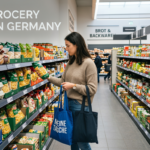
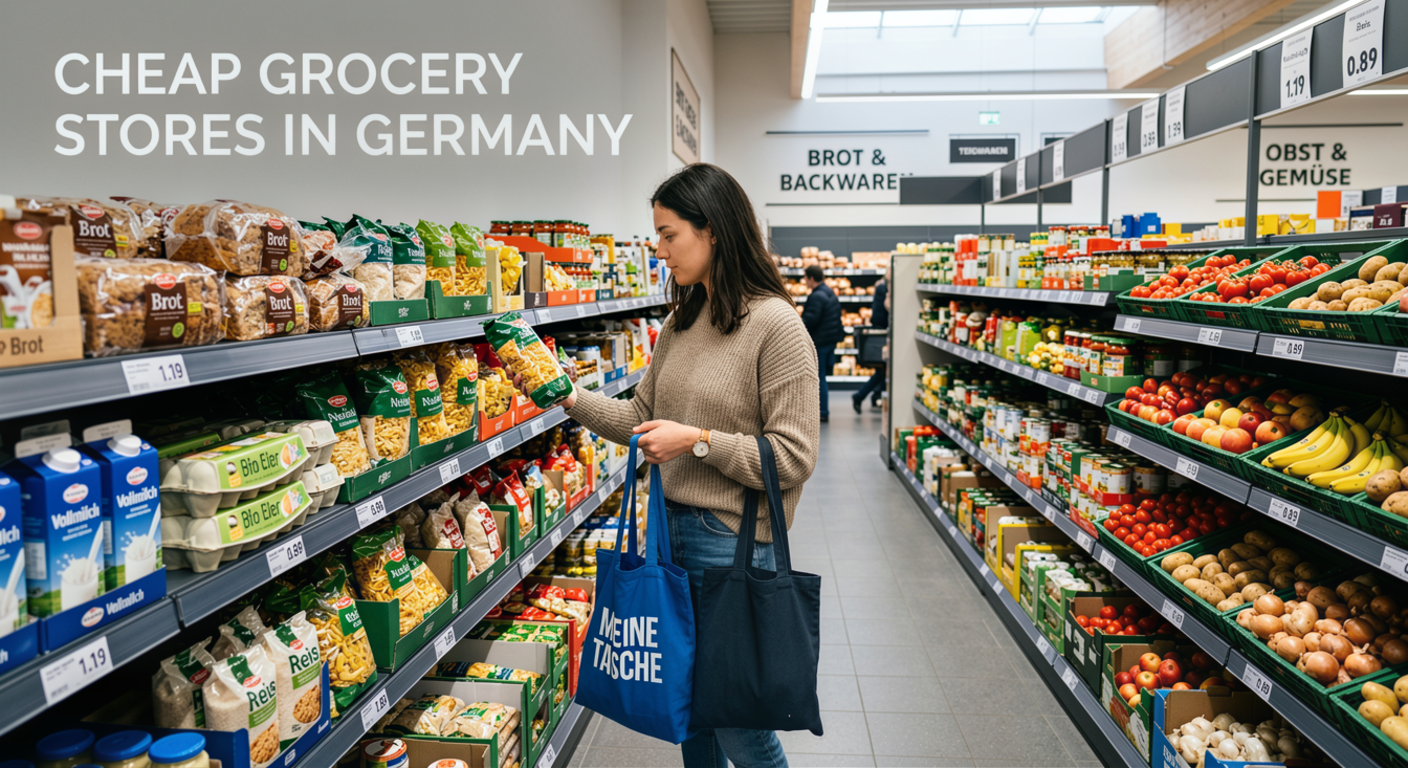
The top 5 cheap grocery stores in Germany, including Aldi, Lidl, Penny, Netto and Kaufland, plus simple tips to save money. Finding affordable food in Germany is easier once you know where to shop. While grocery prices vary depending on the city, product, brand, and weekly promotions, Germany has several discount supermarket chains that make everyday shopping more manageable.
For many shoppers, Aldi, Lidl, Penny, Netto, and Kaufland are familiar names when looking for lower-priced groceries. The important thing is not simply choosing one store and buying everything there. Smart shopping often means comparing weekly offers, choosing store brands, checking unit prices, and planning your meals before you go.
If you are a student, newcomer, family, or simply trying to reduce your monthly spending, knowing the difference between Germany’s discount stores can make a noticeable difference to your grocery budget.
What Are the Cheapest Grocery Stores in Germany?
The main budget-friendly grocery stores in Germany include Aldi, Lidl, Penny, Netto Marken-Discount, and Kaufland. Aldi, Lidl, Penny, and Netto operate primarily in the discount segment, while Kaufland is a large-format supermarket with a much wider product selection. Prices change regularly, so the cheapest option for your particular shopping list can vary from week to week.
Top 5 Cheap Grocery Stores in Germany
1. Aldi
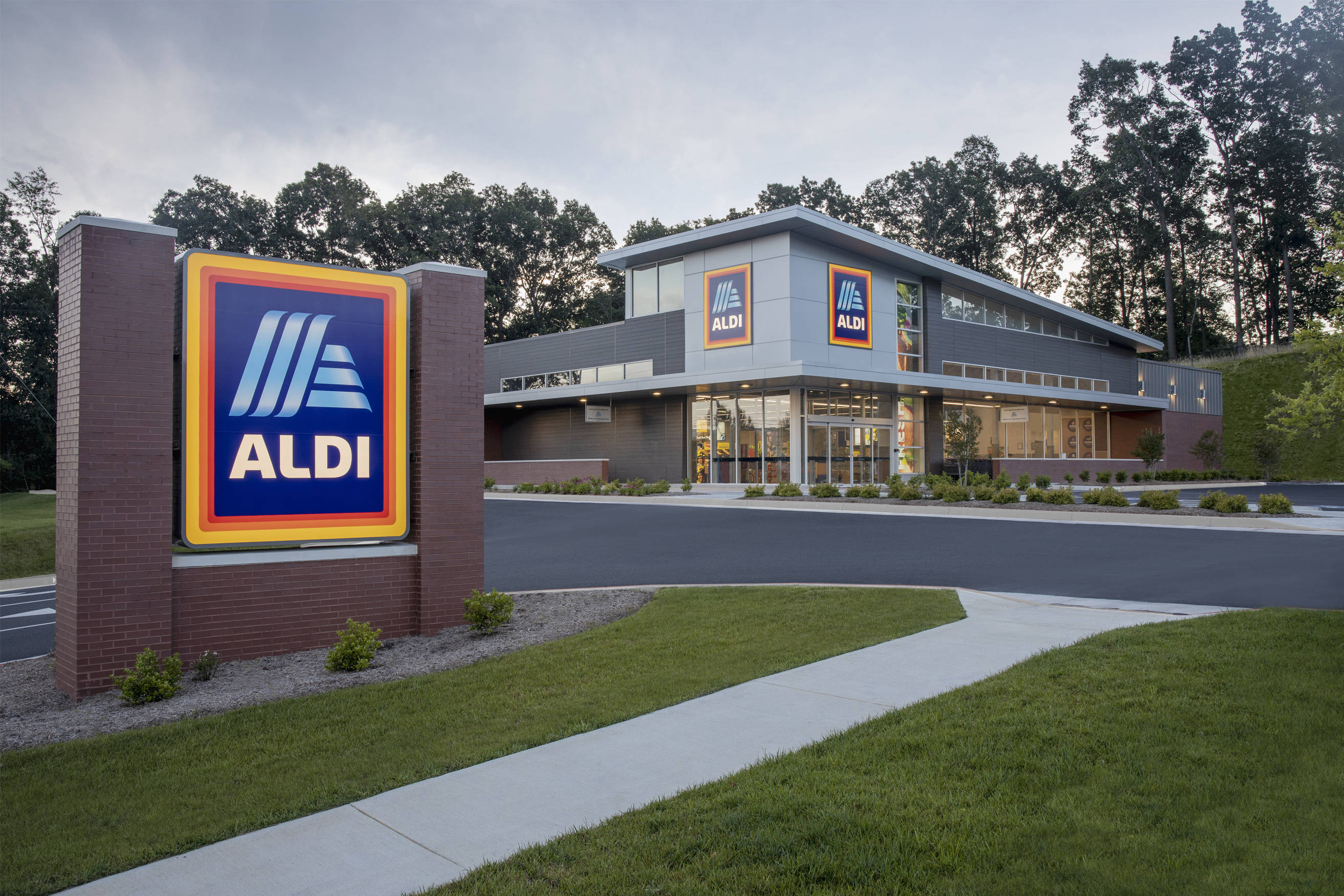
Aldi is one of the most recognizable discount supermarket names in Germany and is often a natural starting point for shoppers trying to control grocery costs. Aldi stores focus heavily on everyday food and household essentials, including bread, milk, eggs, pasta, rice, canned food, frozen products, fruit, vegetables, and dairy items. The selection is generally more streamlined than a large hypermarket, which can make a quick grocery trip easier. Aldi also regularly changes its promotional selection, so checking the current offers before shopping can help you find additional savings. For people who mainly need basic groceries rather than a huge selection of brands, Aldi can be a practical option.
2. Lidl
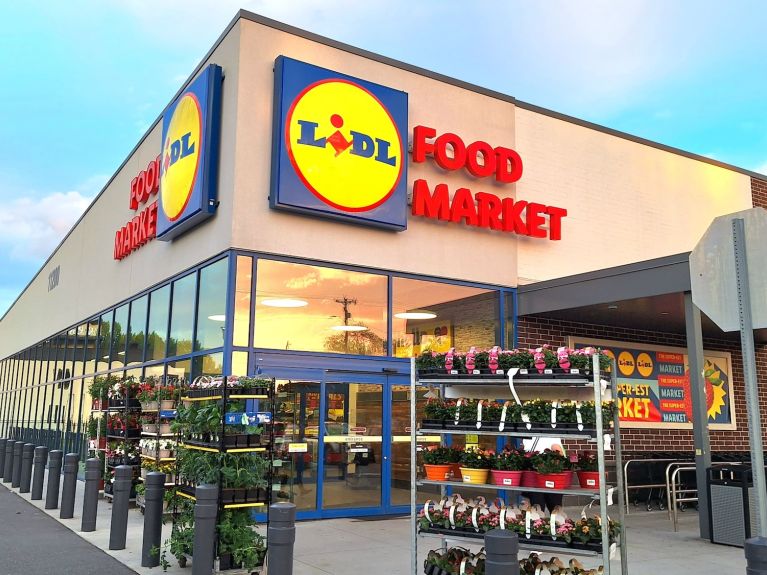
Lidl is another major discount supermarket and has a large network of stores across Germany. Its German website highlights everyday groceries, fresh fruit and vegetables, dairy products, meat, bakery items, vegan products, organic options, and regularly changing special offers. Lidl currently lists around 3,200 stores in Germany, making it particularly convenient in many cities and towns. The store can work well for shoppers who want affordable everyday food but also appreciate occasional branded products, seasonal items, and weekly promotions. Checking the Lidl app or local weekly leaflet before visiting can be useful when you’re building a larger shopping list.
3. Penny
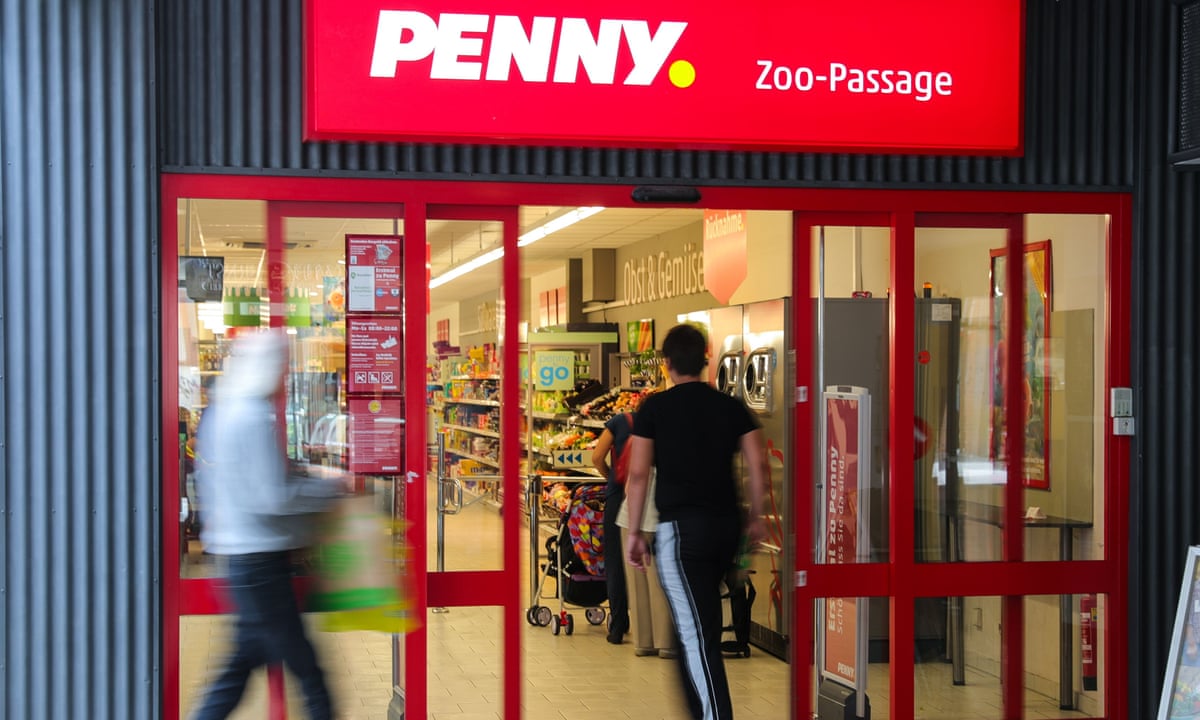
Penny is another well-known discount supermarket in Germany and belongs to the REWE Group. Its stores are found across German states, including Bavaria, Berlin, Hamburg, Hesse, North Rhine-Westphalia, Saxony, and others. Penny is particularly useful for regular neighborhood shopping because many locations are designed around convenient everyday purchases. Its range includes private-label products as well as branded goods, while the Penny app can provide additional savings and regional offers. If you only need a few groceries after work or university, a nearby Penny can save you the trouble of traveling to a larger supermarket.
4. Netto Marken-Discount
Netto Marken-Discount is another important name to consider when searching for affordable grocery shopping in Germany. The chain offers its own and exclusive brands alongside other products, and its official website provides information about stores, current offers, online leaflets, and its Netto app. Netto can be particularly useful when you want a combination of inexpensive store-brand groceries and familiar branded products. Its weekly promotions can also change the price difference between stores, which is why checking current offers is worthwhile. For shoppers living near several discount supermarkets, comparing the weekly deals at Netto, Aldi, Lidl, and Penny can help stretch a fixed food budget further.

5. Kaufland
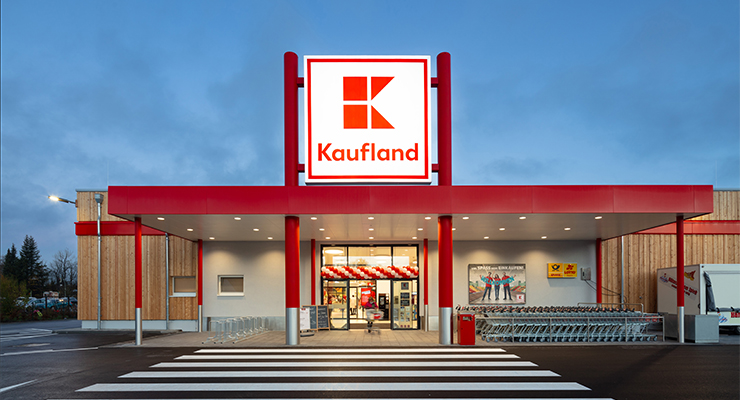
Kaufland is slightly different from the traditional discount supermarkets on this list. It operates large self-service hypermarkets with a much broader selection, making it useful for a big weekly grocery trip. Kaufland states that its German stores carry around 30,000 products, including food, drinks, household products, personal-care items, and other categories. The chain also offers numerous private-label ranges and publishes weekly promotions for individual stores. Because the stores are larger, you can compare many products in one visit instead of going to several smaller supermarkets. Kaufland can therefore be worth checking when your shopping list is long or when you want to take advantage of several promotions during the same trip.
Aldi vs Lidl: Which Is Cheaper?
There is no permanent answer to whether Aldi or Lidl is cheaper for every shopping basket. Both operate as discount supermarkets and regularly advertise special offers, while the prices of individual products can change. A better approach is to compare the specific items you actually buy, especially basic products such as milk, eggs, bread, rice, pasta, potatoes, vegetables, and meat. If you regularly shop at both stores, you may quickly notice which one has better prices for the products you buy most often.
Is Penny Cheaper Than Lidl?
Penny can be competitive with other discount supermarkets, but the difference depends on the product and current promotion. Penny itself promotes its everyday pricing and says customers can find additional savings through its app. Instead of assuming one chain will always cost less, compare the weekly offers and the unit price of the products on your shopping list.
Is Netto a Cheap Supermarket in Germany?
Yes, Netto Marken-Discount is generally positioned as a discount supermarket and is designed around affordable everyday shopping. Its product range includes private-label and exclusive brands as well as other grocery products. The final cost of a shopping trip still depends on what you buy, so it is worth checking current promotions rather than relying only on the store’s reputation for low prices.
Why Are Discount Supermarkets So Popular in Germany?
Discount supermarkets appeal to shoppers because they make it possible to buy many everyday necessities without relying exclusively on expensive branded products. Their business model generally emphasizes efficient stores, private-label products, limited or focused selections, and frequent promotions. For customers, that can mean fewer choices in some categories but potentially lower prices on basic household purchases.
Private-Label Products Can Save Money
One of the easiest ways to reduce your grocery bill is to look beyond famous brands. German supermarkets and discounters sell many private-label products, and these can cost less than comparable branded alternatives. You do not have to switch everything at once. Try store-brand pasta, flour, rice, canned tomatoes, milk, yogurt, frozen vegetables, and cleaning products first, then decide which ones you actually prefer.
Check the Price Per Unit
A product with a lower sticker price is not necessarily the cheaper choice. Germany uses unit pricing on many grocery products, allowing shoppers to compare costs based on measurements such as kilograms or litres. This is especially useful when two packages have different sizes. A €1.50 package may look cheaper than a €2 package, but if the second package contains twice as much, the larger one could offer better value.
Watch the Weekly Grocery Offers
German supermarkets regularly advertise Angebote, meaning special offers or promotions. Lidl, for example, highlights regularly changing offers and local promotional leaflets. Kaufland also provides digital leaflets and store-specific offers. These promotions can be useful for expensive categories such as meat, coffee, cheese, snacks, and household products. The trick is to buy things you genuinely need rather than buying something simply because it has a bright discount label.
Use Supermarket Apps
Several German grocery chains have apps that show promotions and provide additional discounts. Penny specifically notes that its app can provide extra savings, while Lidl also promotes its app for current offers and deals. If you shop at the same supermarket regularly, installing its app can make it easier to check prices before leaving home.
Shop With a Grocery List
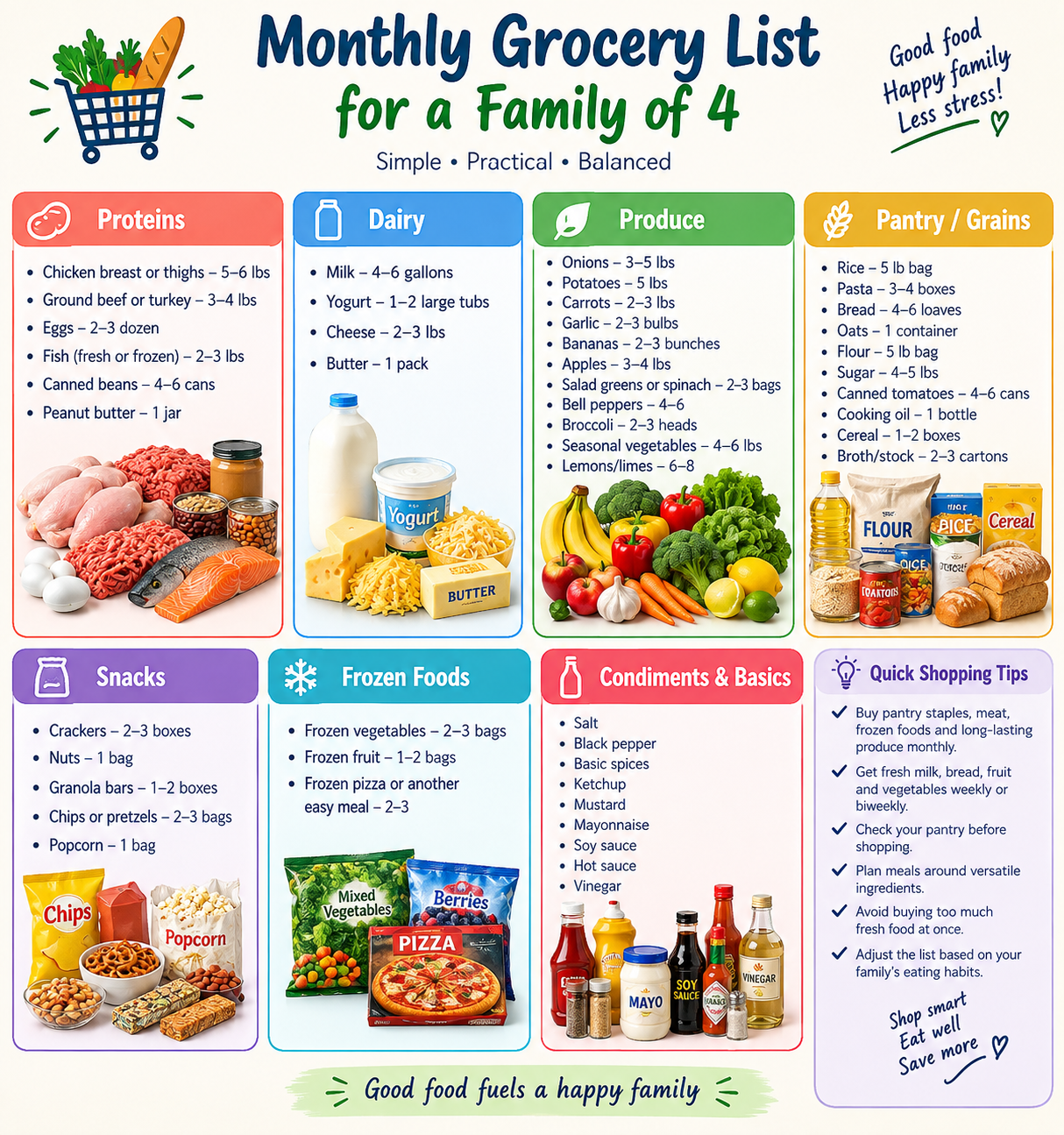
A simple list can make a surprisingly big difference. Before leaving home, check your refrigerator, freezer, and cupboards. Then write down what you actually need for the next few days. This reduces impulse purchases and makes it easier to compare prices between Aldi, Lidl, Penny, Netto, and Kaufland.
Buy Seasonal Fruit and Vegetables
Fresh produce can become expensive when you always choose items that are out of season. Seasonal fruits and vegetables are often a more practical choice for a budget-conscious shopper. Look at what is currently abundant and reasonably priced instead of building your entire shopping list around a specific fruit or vegetable.
Consider Frozen Food
Frozen vegetables and fruit can be useful when fresh produce is expensive or when you struggle to use everything before it spoils. Frozen peas, spinach, mixed vegetables, berries, and similar products can last much longer. They are especially convenient for students and people living alone because you can use only the amount you need.
Plan Cheap Meals Before Shopping
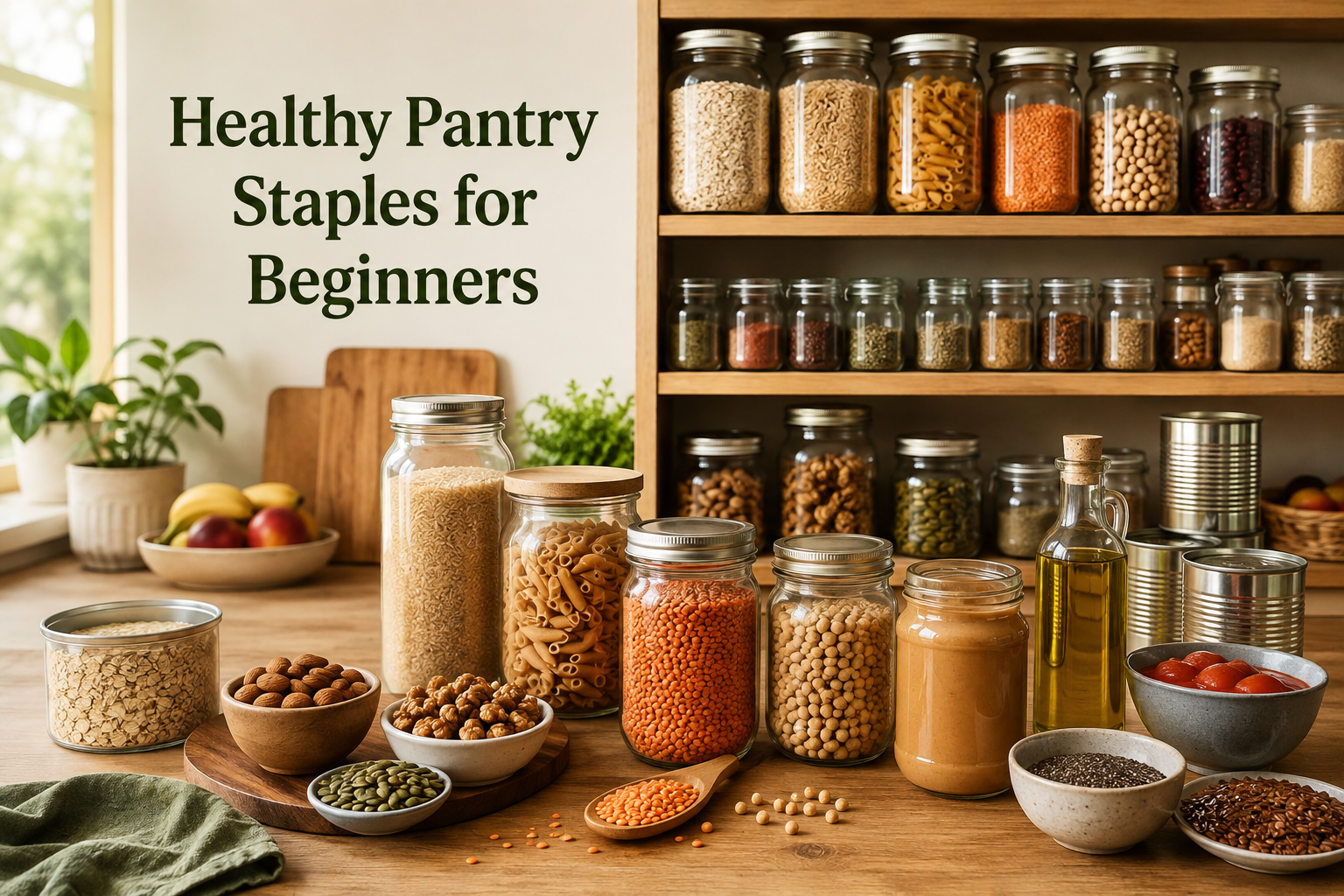
Meal planning does not need to be complicated. Think about five or six inexpensive meals you genuinely enjoy, then buy ingredients that can be used across several dishes. Rice, pasta, potatoes, lentils, beans, eggs, seasonal vegetables, oats, and basic dairy products can form the foundation of many affordable meals. Planning also prevents the common problem of buying random ingredients that end up unused.
Grocery Shopping Tips for Students in Germany
Students can save money by focusing on simple staples rather than convenience foods. Buying oats, pasta, rice, potatoes, eggs, beans, lentils, frozen vegetables, bread, and store-brand dairy products can create the foundation for inexpensive meals. Cooking larger portions and saving leftovers for the next day can also reduce food waste. If you live close to several supermarkets, compare their weekly offers rather than doing every shop at the same chain.
Grocery Shopping Tips for Families
Families usually have different priorities because quantities are larger. A large supermarket such as Kaufland can be useful for one major weekly shop because of its broad selection, while discount stores can be useful for specific low-cost staples and promotions. Kaufland says its German stores average around 4,500–5,000 square metres and offer a broad assortment. Families can also save by comparing larger package sizes, checking the unit price, and planning meals around products that are already on promotion.
Cheap Grocery Shopping in Germany for Newcomers
If you have recently moved to Germany, the supermarket system can feel slightly confusing at first. You will quickly come across words such as Angebot for special offer, Eigenmarke for private-label brand, Bio for organic, and Pfand for the deposit charged on many beverage containers. Learning a few of these terms makes shopping easier. It is also worth remembering that supermarket prices can vary by location and promotion, so don’t assume that one chain has the lowest price for every product.
What Is Pfand in Germany?
Pfand is a refundable deposit attached to many beverage containers. You normally pay the deposit when purchasing the drink and can receive it back when returning eligible bottles or cans through a supermarket’s deposit-return system. It is separate from the actual grocery price, so remember to keep eligible containers if you want to recover the deposit later.
Are Supermarkets Open on Sundays in Germany?
Germany has stricter Sunday trading rules than many countries, so most regular supermarkets are generally closed on Sundays, although there are exceptions depending on location and special circumstances. If you need groceries for the weekend, checking your local store’s opening hours ahead of time is sensible. Penny provides store-specific opening information through its market search, for example.
How to Save Even More on Groceries
The biggest savings usually come from several small habits rather than one secret supermarket. Compare prices, use private-label products, check weekly promotions, avoid shopping while hungry, plan meals, and keep an eye on food waste. If you have several supermarkets nearby, you can also split your shopping. Buy the products that are discounted at one store there and pick up the remaining essentials somewhere else.
Is Kaufland a Discount Supermarket?
Kaufland is better described as a large-format supermarket or hypermarket rather than a traditional discount supermarket like Aldi or Lidl. It has a significantly broader assortment, with Kaufland reporting around 30,000 products per German store. Even so, its private-label products and promotional offers can make it useful for budget-conscious shoppers, particularly when buying many different products during one trip.
What Is the Best Way to Find Cheap Groceries in Germany?
The most practical strategy is to compare your actual shopping basket, not just supermarket names. Start with Aldi, Lidl, Penny, Netto, and Kaufland, check their current offers, compare unit prices, and choose store brands where the quality works for you. Prices change, so a store that is cheaper for one week’s shopping may not be the cheapest for another week’s list.
Conclusion
Finding cheap grocery stores in Germany does not have to be complicated. Aldi, Lidl, Penny, Netto Marken-Discount, and Kaufland all give shoppers different ways to control their food spending. Aldi, Lidl, Penny, and Netto are particularly relevant when you are looking for discount-style shopping, while Kaufland offers a much larger assortment and can be useful for bigger shopping trips.
The smartest approach is to stay flexible. Check current offers, compare unit prices, choose affordable private-label products, and plan your meals before shopping. Once you get familiar with the supermarkets in your area, keeping your grocery budget under control becomes much easier.
FAQs
What are the cheapest grocery stores in Germany?
Aldi, Lidl, Penny, and Netto Marken-Discount are major discount supermarkets commonly used for budget grocery shopping. Kaufland is also worth checking because of its private-label products and frequent promotions.
Is Aldi cheaper than Lidl in Germany?
Neither is always cheaper for every product. Prices and weekly promotions change, so comparing the products on your actual shopping list is more useful than assuming one chain always has the lowest prices.
Is Lidl cheap in Germany?
Yes. Lidl operates as a discount supermarket and offers everyday groceries, private-label products, fresh food, and regularly changing promotions.
Is Penny a cheap supermarket in Germany?
Penny is a discount supermarket with private-label and branded products. Its app can also provide additional savings and regional offers.
Is Kaufland cheaper than regular supermarkets?
Kaufland can be useful for budget shopping because it offers a broad range of private-label products and frequent promotions. However, whether it is cheaper depends on the products and offers you choose.
Read also: How to Choose Eco Friendly Household Cleaning Products
One thought on “Top 5 Cheap Grocery Stores in Germany”