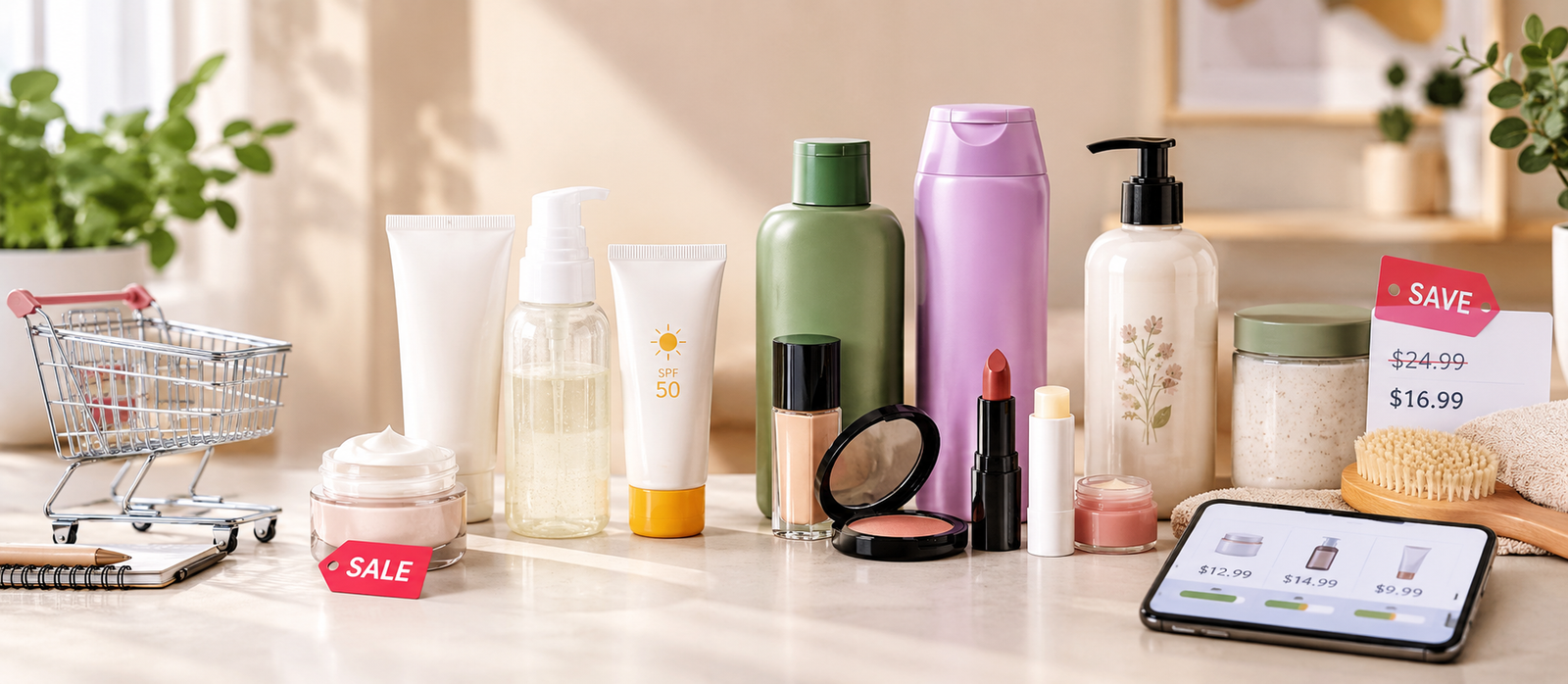







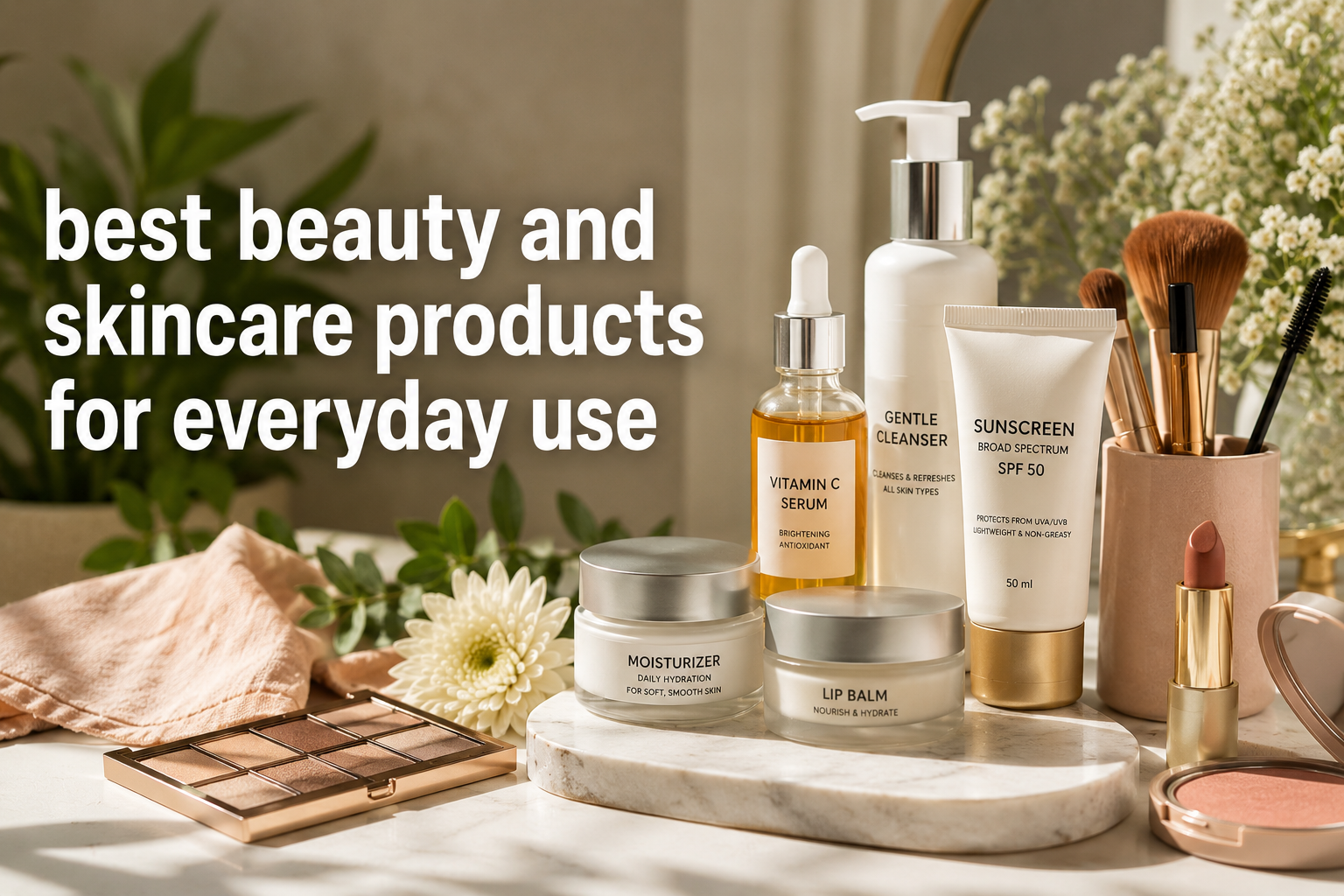
The best beauty and skincare products for everyday use, including cleansers, moisturizers, sunscreen, serums, lip care, and daily beauty essentials. In reality, a good daily routine can be surprisingly simple. Your skin usually benefits more from consistency than from constantly changing products. A gentle cleanser, suitable moisturizer, sunscreen, and a few carefully selected beauty essentials can create a practical routine that fits into almost anyone’s day.
What Are the Best Beauty and Skincare Products for Everyday Use?
The best everyday beauty and skincare products are those that support basic skin health without making your routine unnecessarily complicated. A gentle facial cleanser removes dirt, oil, and daily buildup, while a moisturizer helps maintain the skin’s protective barrier. Broad-spectrum sunscreen is one of the most important daytime products because it helps protect skin from ultraviolet exposure. Depending on individual needs, you might also add a hydrating serum, lip balm, eye-area product, or simple makeup items such as tinted moisturizer, concealer, mascara, and lip color. The ideal routine is personal, but the foundation should always be simple, comfortable, and easy to maintain.
1. Gentle Facial Cleanser
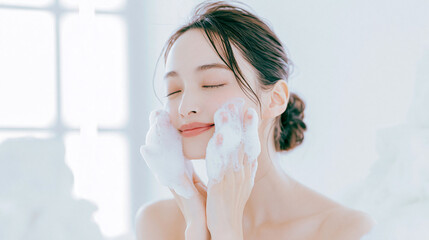
A gentle cleanser is one of the most useful products to keep in an everyday skincare routine. Throughout the day, your face can collect sweat, excess oil, dust, sunscreen, and makeup residue. Cleansing helps remove this buildup so your skin feels clean without leaving it unnecessarily dry or tight. Look for a formula that matches your skin type rather than choosing a cleanser simply because it is popular. People with dry or sensitive skin may prefer creamy or fragrance-free formulas, while those with oily skin may enjoy a lightweight gel cleanser. The goal is clean, comfortable skin rather than that overly stripped feeling.
2. Hydrating Moisturizer
Moisturizer is another everyday essential because healthy-looking skin needs adequate hydration and a functioning protective barrier. Even people with oily skin can benefit from moisturizing, although they may prefer a lightweight gel or lotion instead of a rich cream. Dry skin often responds better to thicker formulas containing ingredients such as ceramides, glycerin, or hyaluronic acid. A good moisturizer should feel comfortable and should not make you want to wash your face immediately after applying it. When used consistently, the right moisturizer can make skin feel softer and help reduce the uncomfortable sensation associated with dryness.
3. Daily Sunscreen
If there is one skincare product that deserves a permanent place in your daytime routine, it is sunscreen. A broad-spectrum sunscreen helps protect exposed skin from UVA and UVB radiation and is an important part of maintaining healthy-looking skin over time. Choose a product that you actually enjoy wearing because consistency matters. Some people prefer lightweight fluid sunscreens, while others like creams or moisturizing formulas. Sunscreen can also make sense under makeup when the texture works well with your cosmetics. Applying it as part of your morning routine is a simple habit that can make a meaningful difference to long-term skin care.

4. Hydrating Serum
A serum is not mandatory for everyone, but the right one can add something useful to a basic routine. Hydrating serums containing ingredients such as hyaluronic acid or glycerin can provide additional moisture, especially when skin feels dry or dehydrated. The important thing is not to buy a serum simply because the packaging promises dramatic results. Instead, identify a specific concern and choose an ingredient that makes sense for it. If your moisturizer already keeps your skin comfortable, you may not need a separate serum at all. Skincare should solve problems, not create more steps just for the sake of having a longer routine.
5. Vitamin C Products
Vitamin C is a popular ingredient in everyday skincare because it is commonly used in routines designed to support brighter-looking skin and antioxidant protection. A vitamin C serum can be included in a morning routine before moisturizer and sunscreen, although beginners should introduce new active products gradually. Not every vitamin C formula works equally well for every person, and sensitive skin may require extra care when introducing it. If you experience persistent irritation, burning, or redness, stop using the product and simplify your routine. The best skincare routine is one your skin tolerates comfortably.
6. Lip Balm
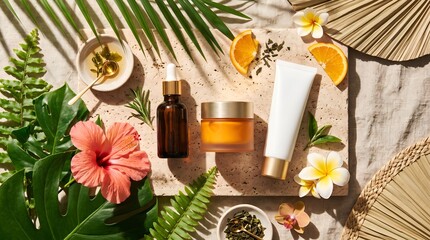
Lip care is easy to overlook until dry, uncomfortable lips become a problem. A simple lip balm can help keep the lips feeling smooth throughout the day, particularly in dry, windy, or cold conditions. For daytime use, a lip product with sun protection can also be useful when spending time outdoors. At night, a richer balm or moisturizing lip treatment may provide extra comfort. You do not need an expensive product to maintain basic lip care. A dependable formula that you enjoy using and can easily carry with you is often more useful than a complicated collection of lip products.
7. Eye Cream or Eye Moisturizer
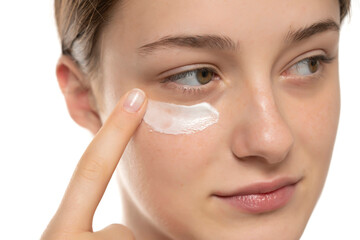
Eye cream is one of those beauty products that can be useful for some people but is not essential for everyone. The skin around the eyes is delicate, so some individuals prefer a dedicated lightweight product designed for that area. However, a gentle facial moisturizer may already be suitable around the eye area if its instructions allow it. Products marketed for puffiness, dryness, or the appearance of fine lines should be chosen based on realistic expectations. No cream can completely erase the natural signs of aging, but keeping the area moisturized can make the skin look and feel more comfortable.
8. Gentle Exfoliating Product
Exfoliation can help remove dead surface skin cells and improve the feel of rough or uneven skin, but more is not always better. Over-exfoliating can leave the skin irritated, dry, or uncomfortable. People who want to add an exfoliating product should start slowly and select a formula appropriate for their skin. Chemical exfoliants such as alpha hydroxy acids or beta hydroxy acids are commonly used for different skincare concerns, while physical scrubs provide mechanical exfoliation. If your skin becomes red, painful, unusually sensitive, or flaky, reducing or stopping exfoliation is a sensible move.
9. Simple Makeup Essentials
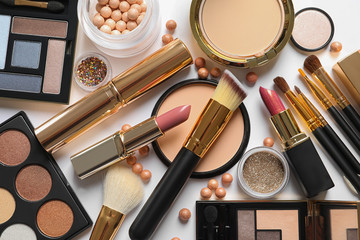
Everyday beauty does not have to mean wearing a full face of makeup. A small collection can be enough for a polished daily appearance. Depending on your preferences, useful products might include tinted moisturizer or foundation, concealer, blush, mascara, brow gel, and lip color. The best choices are those that fit your routine and make you feel comfortable. Someone who has five minutes before work may prefer a tinted base and mascara, while another person might enjoy spending more time creating a complete look. Makeup should support your personal style rather than dictate it.
10. Tinted Moisturizer or BB Cream
For people who want light coverage without using a traditional foundation, tinted moisturizer or BB cream can be a convenient everyday option. These products typically provide some level of complexion coverage while offering a lighter feel than many full-coverage foundations. They can work particularly well for casual days, office routines, errands, or anyone who prefers a natural finish. However, the level of sun protection in these products may not be enough to replace dedicated sunscreen, so check the product directions and consider using a separate broad-spectrum sunscreen when appropriate.
11. Concealer
Concealer is a useful beauty product when you want to target specific areas rather than cover your entire face. A small amount can be used around the appearance of blemishes, under-eye darkness, or areas of uneven-looking complexion. Choosing the right shade and texture makes a noticeable difference. A concealer that is too dry may emphasize texture, while one that is too heavy can look unnatural. For everyday makeup, a lightweight formula that blends easily often creates a more natural result than applying several thick layers.
12. Everyday Face Powder
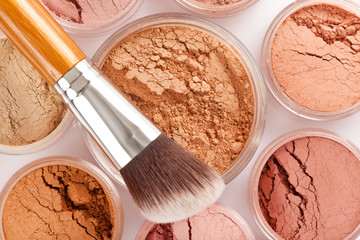
Face powder can be helpful for people who experience excess shine during the day. A lightweight powder can reduce the appearance of oiliness and help certain makeup products stay in place. However, applying too much can make the skin look heavy or dry, particularly when used over areas with natural texture. If your skin is already dry, you may not need powder at all. For oily or combination skin, focusing powder mainly on the areas that become shiny can create a more balanced finish without making the entire face look overly matte.
13. Mascara and Brow Products
Brows and lashes can change the overall appearance of a simple makeup look without requiring many products. Mascara can add definition to the lashes, while a brow pencil, powder, or gel can help shape and define the brows. For everyday use, subtle application usually works well because it keeps the result natural and comfortable. Waterproof formulas may be useful for particular situations, but they can sometimes require more effort to remove. Choose products that suit your needs rather than assuming the strongest or longest-lasting formula is automatically the best.
14. Everyday Lip Color
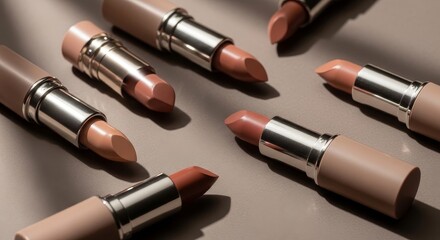
A comfortable lip color can complete a basic beauty routine in seconds. Depending on your style, you might prefer a tinted balm, gloss, lipstick, lip stain, or nude-toned product. For everyday wear, formulas that feel comfortable and are easy to reapply often have an advantage over products that require complicated application. Neutral shades can work well for a subtle look, while brighter colors can add personality. There is no universal best lip color because skin tone, personal preference, clothing, and occasion all influence what looks and feels right.
Choosing Products for Your Skin Type
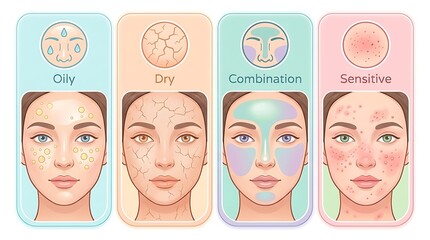
Understanding your skin type can make shopping for everyday skincare much easier. Dry skin generally benefits from moisturizing formulas, while oily skin often feels more comfortable with lightweight, non-greasy textures. Combination skin may need different approaches for different areas of the face. Sensitive skin can benefit from simpler routines and products with fewer potential irritants. If you are unsure about your skin type, pay attention to how your face behaves after cleansing and throughout the day. Remember that skin can change with weather, age, hormones, stress, and environmental conditions, so your routine may need occasional adjustments.
Best Everyday Products for Dry Skin
Dry skin often needs products that support hydration and reduce the uncomfortable feeling of tightness. A gentle, non-stripping cleanser followed by a richer moisturizer can provide a strong foundation. Ingredients such as glycerin, ceramides, and hyaluronic acid are commonly found in hydrating skincare formulas. A moisturizing sunscreen can also be useful during the day. Avoid building a routine around aggressive exfoliation simply because your skin feels rough. Sometimes the better solution is to simplify the routine and give the skin barrier more consistent moisture and protection.
Best Everyday Products for Oily Skin
Oily skin can benefit from lightweight products that provide hydration without leaving a heavy or greasy finish. A gentle cleanser can help remove excess oil, while a lightweight moisturizer can prevent the skin from feeling dehydrated. Sunscreen remains important, and many people with oily skin prefer fluid, gel, or lightweight lotion textures. If shine is a concern, a small amount of translucent powder can help with makeup. The goal is not to eliminate every trace of oil because natural skin oil serves a purpose. Instead, focus on comfort, balance, and products that work well with your skin.
Best Everyday Products for Combination Skin
Combination skin can be slightly tricky because different parts of the face may behave differently. The forehead, nose, and chin may become oily while the cheeks feel normal or dry. Instead of using extremely different products across your entire face, start with a gentle cleanser, balanced moisturizer, and comfortable sunscreen. You can then adjust individual areas when necessary. For example, a lightweight product may work well across most of the face, while a richer moisturizer can be used on particularly dry areas. This flexible approach often works better than creating an unnecessarily complicated routine.
Best Everyday Products for Sensitive Skin
Sensitive skin generally benefits from a cautious and simple approach. Products with gentle formulations and minimal fragrance may be more comfortable for some people, although sensitivity varies from person to person. When trying something new, introducing one product at a time makes it easier to identify what works and what does not. Avoid changing your entire routine overnight. If a product causes significant or persistent irritation, discontinue it rather than trying to push through the reaction. For ongoing or severe skin problems, professional medical advice is more appropriate than relying entirely on cosmetic products.
A Simple Morning Skincare Routine
A practical morning routine can take only a few minutes. Start with a gentle cleanser if your skin needs cleansing in the morning, then apply a hydrating serum if you use one. Follow with moisturizer and finish with broad-spectrum sunscreen. Once skincare has settled, you can apply makeup if desired. There is no prize for having the longest morning routine. A short routine that you follow consistently is usually more realistic than a complicated routine that takes twenty minutes and gets abandoned after a week.
A Simple Evening Skincare Routine
Nighttime is a good opportunity to remove makeup, sunscreen, and daily buildup before applying your skincare products. Start by cleansing thoroughly but gently. If you wear heavy makeup or long-lasting sunscreen, you may prefer a first cleansing step followed by a gentle facial cleanser. After cleansing, apply any targeted treatment that fits your routine and finish with moisturizer. You do not need to use every active ingredient every night. Giving your skin a straightforward routine can make it easier to notice how individual products affect you.
How to Build a Budget-Friendly Beauty Routine
You do not need luxury products to create a useful skincare and beauty routine. Start by spending your money on the basics: cleanser, moisturizer, and sunscreen. After those are covered, consider whether you genuinely need additional products. A reasonably priced moisturizer that keeps your skin comfortable may be more valuable than an expensive cream with an impressive marketing campaign. The same applies to makeup. A good concealer, mascara, lip product, and versatile complexion product can cover many everyday situations without filling your makeup bag with items you rarely use.
How to Choose Better Skincare Products
Reading the ingredient list and understanding the purpose of a product can be more helpful than relying on packaging claims. Look for products that clearly explain what they are designed to do and how they should be used. Consider your skin type, existing routine, and personal sensitivities before purchasing something new. It is also worth remembering that expensive does not automatically mean effective. Marketing can make almost any product sound essential, but your routine should be based on actual needs. When possible, introduce new products gradually so you can see how your skin responds.
Common Mistakes to Avoid
One of the biggest skincare mistakes is using too many products at once. When several new products are introduced together, it becomes difficult to know which one is helping or causing irritation. Another common mistake is skipping sunscreen because the weather feels cloudy or because makeup contains some SPF. Over-exfoliation, aggressive cleansing, picking at blemishes, and constantly switching routines can also create unnecessary problems. A better approach is to keep the basics consistent, introduce changes slowly, and pay attention to how your skin actually feels rather than chasing every new beauty trend.
Do More Products Mean Better Skin?
Not necessarily. Skincare is one area where more can sometimes mean less. Every new active ingredient introduces another variable, and using too many products can increase the chance of irritation. A basic routine containing a cleanser, moisturizer, and sunscreen may be enough for many people. Additional products should have a clear purpose. If you want to address a particular concern, choose one suitable product and give it time rather than immediately adding five different treatments. Good skincare is often about consistency and restraint rather than having the biggest collection.

How Often Should You Change Your Skincare Routine?
There is usually no reason to change a routine simply because a new product becomes popular online. If your current products are comfortable and meeting your needs, consistency can be valuable. You might make changes when the seasons change, your skin’s needs shift, or you develop a specific concern. New products should generally be introduced one at a time so you can observe your skin’s response. Patience is especially important with skincare because many improvements are gradual rather than instant. Give products a reasonable opportunity to work before deciding whether they belong in your routine.
The Best Everyday Beauty Routine Is the One You Can Maintain
The most effective everyday beauty routine is not necessarily the most expensive, complicated, or trendy one. It is the routine that fits naturally into your life. If you have limited time, focus on a few reliable products. If you enjoy makeup, add the products that help you express your personal style. If your skin is sensitive, prioritize simplicity. If your main concern is dryness, focus on hydration and barrier support. There is no single shelf of products that works perfectly for everyone. Your routine should be built around your skin, your schedule, and your comfort.
Conlusion
The best beauty and skincare products for everyday use are the ones that make daily care easier rather than more complicated. Start with the essentials: a gentle cleanser, suitable moisturizer, and dependable sunscreen. From there, consider whether your skin would benefit from a hydrating serum, targeted treatment, lip care, or simple makeup products. Pay attention to ingredients, avoid unrealistic promises, and remember that expensive packaging does not guarantee better results. Most importantly, give your routine time to become a habit. Taking a few thoughtful steps every day can be far more valuable than constantly searching for the next miracle product.
FAQs
1. What are the most important everyday skincare products?
The basic everyday skincare essentials are a gentle cleanser, moisturizer, and broad-spectrum sunscreen. Depending on individual needs, a hydrating serum or targeted treatment can also be added.
2. Can I use skincare products every day?
Many basic skincare products are designed for daily use, including cleansers, moisturizers, and sunscreen. However, active ingredients and exfoliating products may need to be used less frequently depending on their formulation and your skin’s tolerance.
3. What skincare products are best for beginners?
Beginners can start with three simple products: a gentle cleanser, moisturizer, and broad-spectrum sunscreen. Once the basic routine feels comfortable, additional products can be introduced one at a time.
4. Are expensive beauty products better?
Not necessarily. Price does not automatically determine product quality or suitability. A reasonably priced product with appropriate ingredients can be a better choice than an expensive product that does not suit your skin.
5. Should oily skin use moisturizer?
Yes. Oily skin can still need hydration. People with oily skin may prefer lightweight gel, lotion, or fluid moisturizers that provide hydration without feeling excessively heavy.
6. Is sunscreen really necessary every day?
Sunscreen is an important part of daytime skin protection, particularly when you are exposed to sunlight. A broad-spectrum sunscreen can help protect exposed skin from UVA and UVB radiation.
7. How many skincare products should I use?
There is no fixed number that everyone needs. A simple routine with cleanser, moisturizer, and sunscreen can be enough for many people. Add other products only when they serve a specific purpose.
Read also: Mart Shopping Guide Tips for Smarter, Budget-Friendly Shopping